Nature comes up with some weird stuff. Down in Bolivia, there is a massive salt flat called Salar de Uyuni. For most of the year, it is just a salt desert. But down in Salar de Uyuni, there is one unique phenomenon that occurs when it rains.
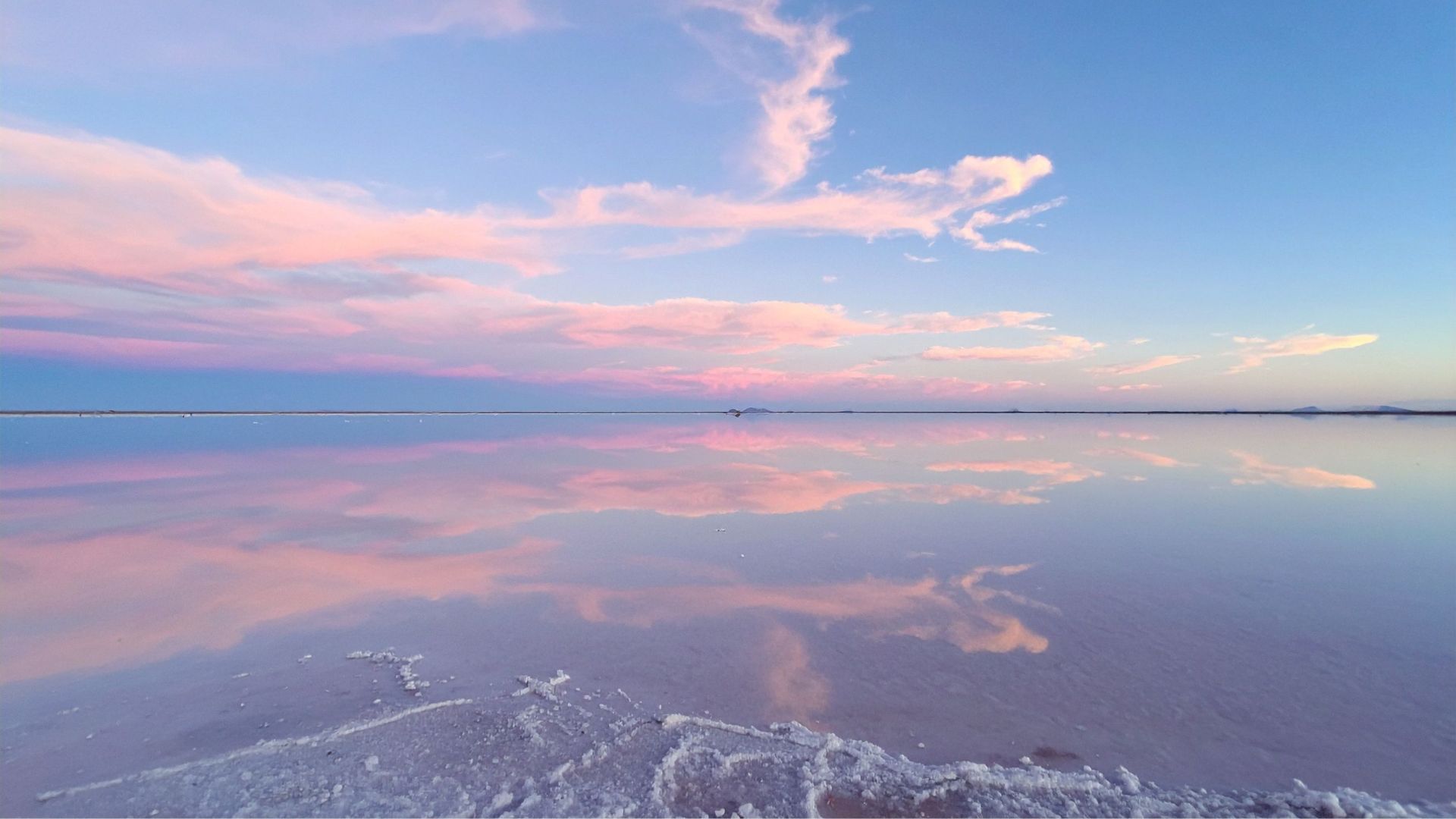
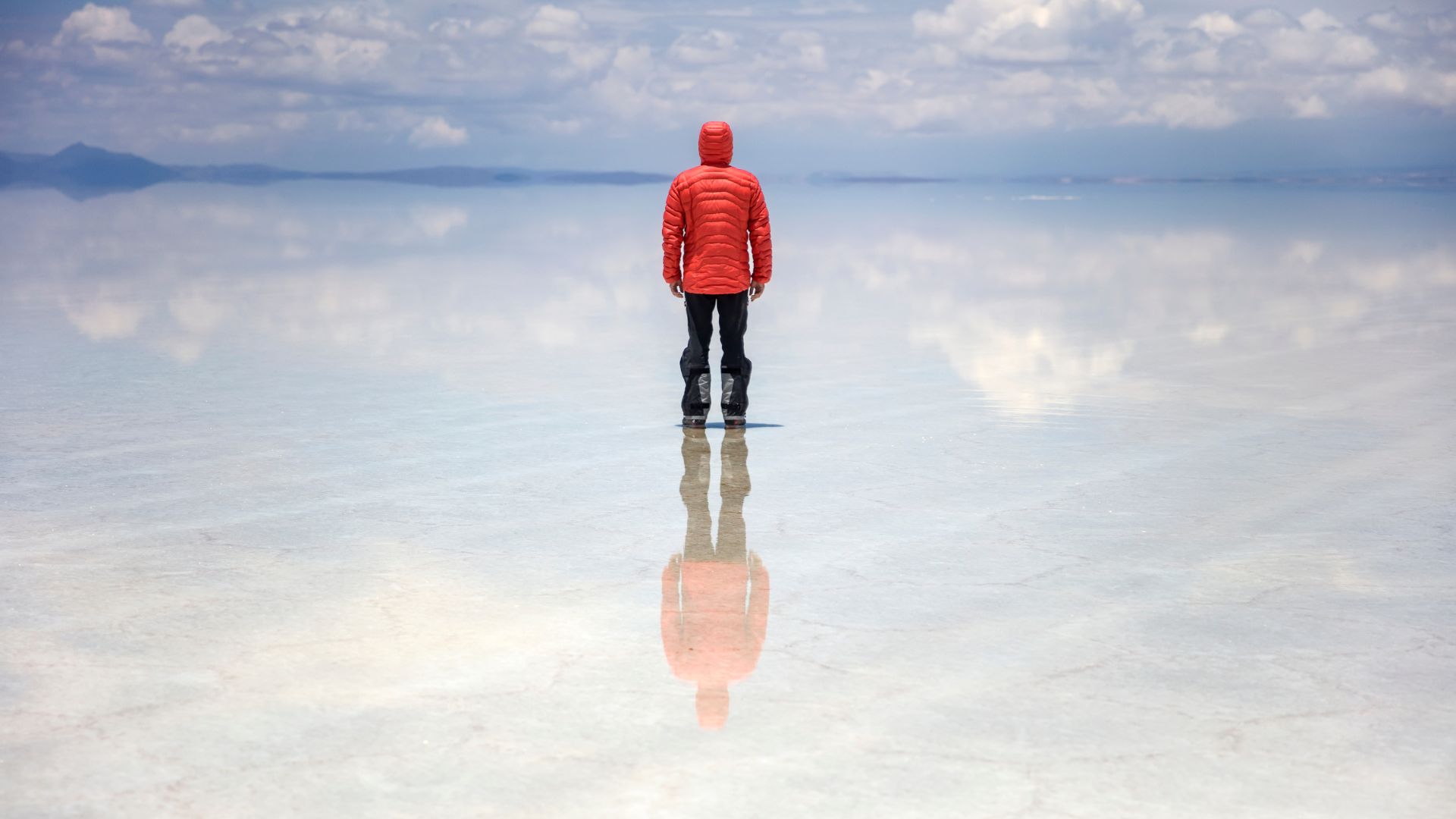
The ground is incredibly flat. So, when it rains, the water has nowhere to go. It just sits on top of the salt crust. This turns the desert into a giant mirror that reflects the sky. It is as if the salt desert is covered in a thin layer of water, allowing people to walk on the clouds. It is an incredible optical illusion that occurs in such a large area and messes with your vision.
A Prehistoric Leftover
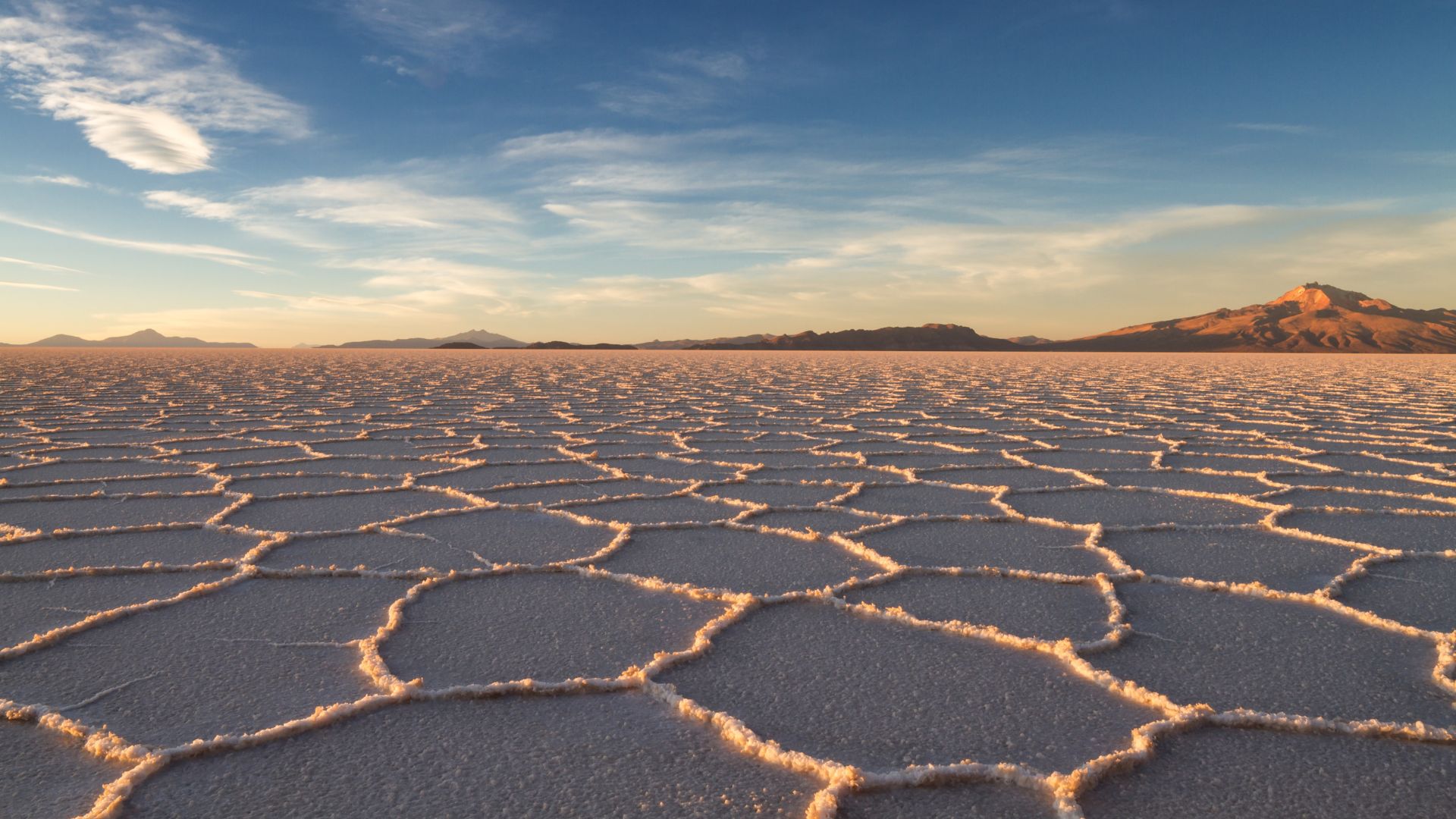
This salt flat did not just appear in Bolivia. eons ago, this was home to two massive prehistoric lakes. Over thousands of years, they dried up, leaving behind a thick layer of salt that covers over 4,000 square miles.
This salt flat is so strong that people can drive their cars on it. Beneath lies a deep pool of brine containing salt and other minerals.
Powering Your Phone
Advertisement
This salt flat contains a massive amount of the world’s lithium.
Lithium is used in numerous batteries that power our phones and electric cars. As our world seeks to develop new technologies that do not rely on fossil fuels, the mineral’s importance increases.
To extract the lithium from the salt flat, people must use a lot of water to bring the brine to the surface. As Salar de Uyuni is a desert, this creates an environmental issue. There is a need for engineers to find ways to extract the lithium without damaging the environment. The world is addicted to technology that relies on lithium for the batteries in our devices; however, we must find ways to do so without destroying the unique salt flat in Bolivia.
Sometimes, salt flats are nothing more than an optical illusion for visitors to the area. However, at other times, they are created with the perfect amount of minerals to power the batteries in our devices. It all just depends on how deep you look.
 Read Exclusive Stories
 Bookmark & Save Articles For Later