If you visit the Montreal Botanical Garden in Quebec, Canada, you get to walk through completely different parts of the world in a single afternoon.
The garden sits right in the middle of a major city. But instead of just planting a bunch of local trees, the creators designed dozens of separate spaces that mimic specific global landscapes. It covers nearly 190 acres, making it one of the largest botanical gardens on the planet.
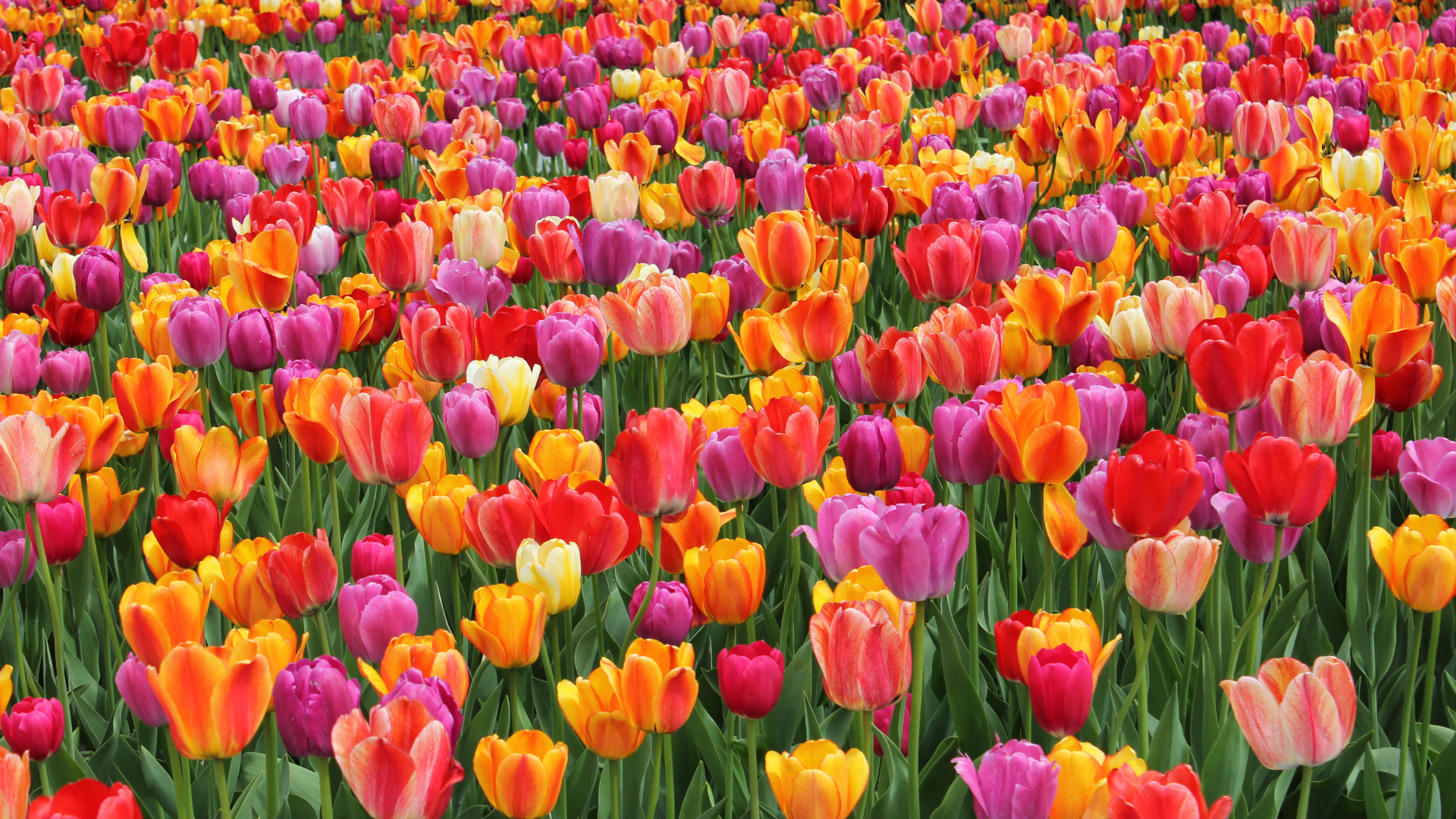
Walking Through Different Countries
The outdoor gardens are split into highly detailed cultural and geographical zones. If you walk into the Chinese Garden, it looks exactly like a traditional Ming Dynasty landscape. The paths wind around a massive koi-filled pond, and the pavilions were built by craftsmen from Shanghai using traditional methods.
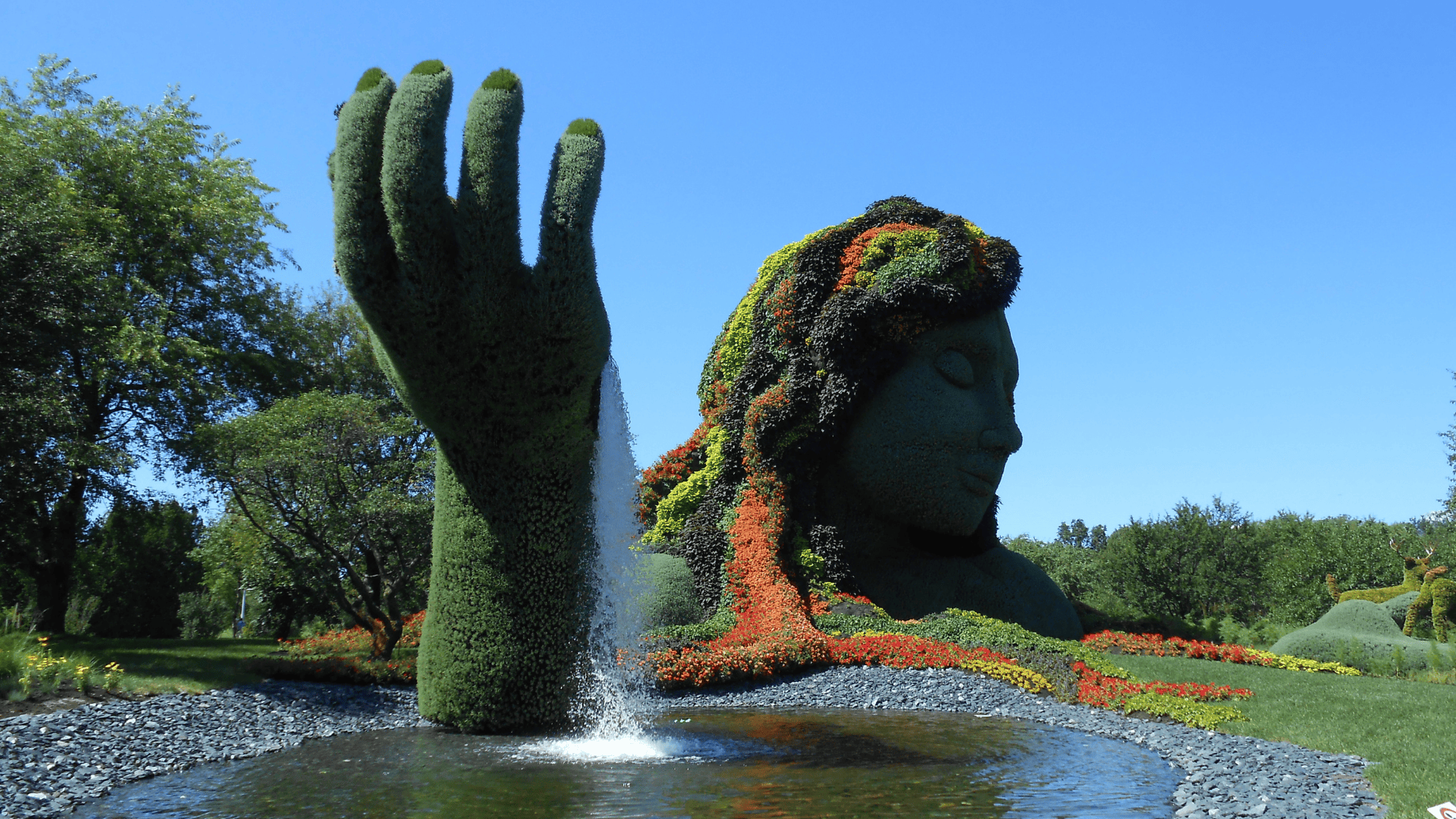
Just a short walk away is the Japanese Garden. It has a completely different feel. The space is quiet and focused on stone, water, and carefully pruned bonsai trees. They also have a First Nations Garden that highlights the exact plants native populations used for food, shelter, and medicine long before the city was built. It is a quiet reminder of what the natural landscape looked like before the concrete took over. You just walk down a path and completely shift environments.
Growing Under Glass
Advertisement
Montreal gets incredibly cold and snowy in the winter. So a huge part of the garden actually lives indoors.
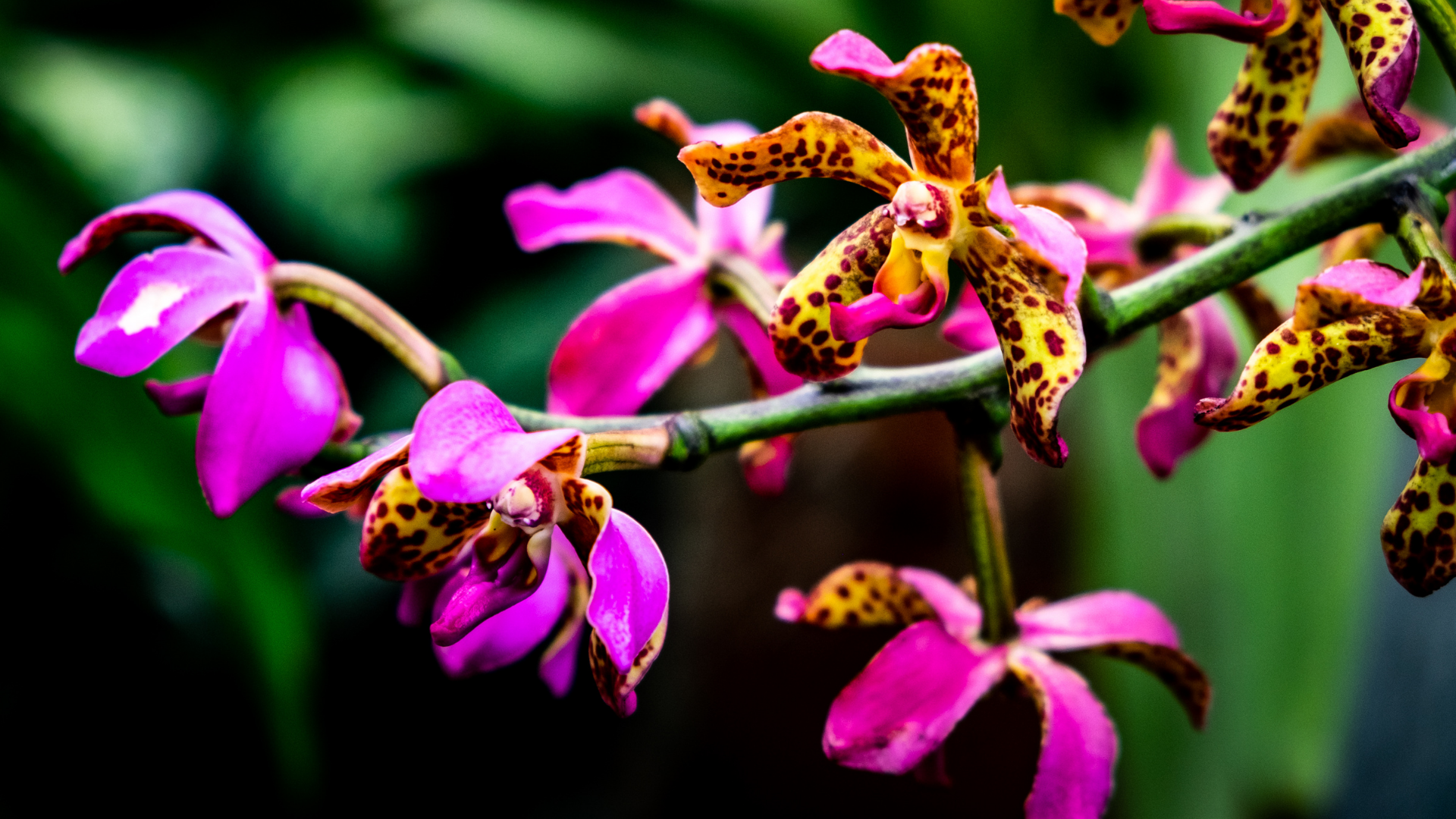
They built a massive greenhouse complex with ten separate exhibition rooms. This setup lets researchers and visitors study plants from almost every continent without ever leaving the city limits. You can walk through a hot, humid tropical rainforest room filled with orchids and ferns. Then you open a door and step right into a dry, arid desert room packed with cacti and succulents from the American Southwest and Africa. Even when it is freezing outside, the greenhouses stay warm all year long.
An Evolving Space
The garden changes completely depending on when you visit. In the summer, the outdoor spaces are bright and green. But in the fall, they light up the Chinese and Japanese gardens at night with hundreds of colorful lanterns.
It is basically a living museum. They managed to pack completely different climates, architectural styles, and ecosystems into one massive park.
 Read Exclusive Stories
 Bookmark & Save Articles For Later