It’s no secret that farming requires intense physical labor. The work also demands a lot of walking and bending. This line of work isn’t very forgiving for elderly farmers or people with disabilities. Engineers at Binghamton University, State University of New York addressed that with a system that makes “digital twins” of real farms. This technology lets users walk through fully interactive virtual spaces and look at actual plants in real time.
The idea is to make farming much more accessible, especially for the previously mentioned demographic that physically cannot keep up with the labor. Instead of walking through rows of dirt, a farmer can put on virtual reality goggles and see their crops from the comfort of their living room.
A Virtual Farm
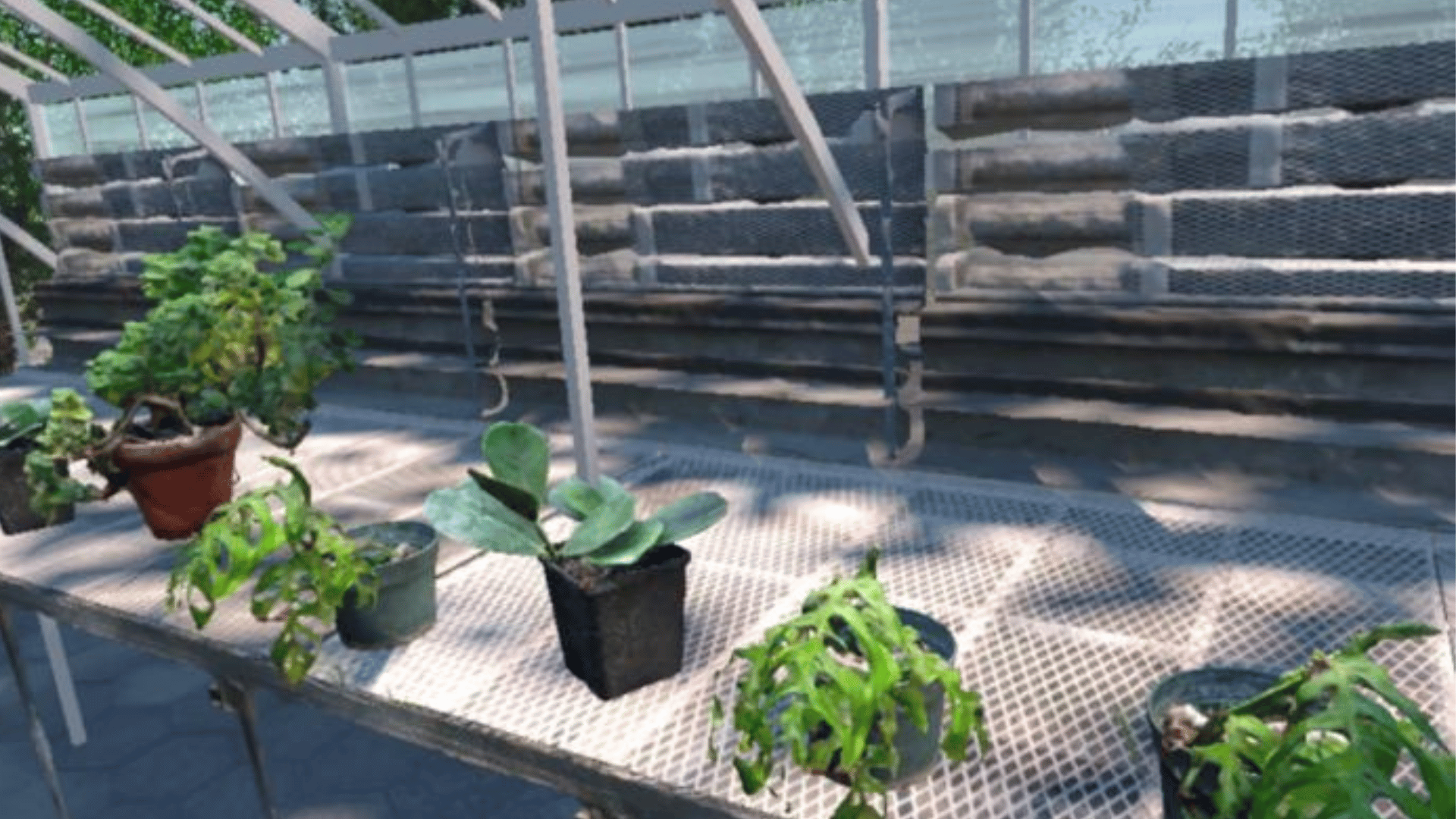
Modern farms already use digital sensors to check on crops. However, flat computer screens and dashboards don’t give you the same feeling as actually being there.
First, researchers photograph the plants and place them into a virtual environment as 3D objects. Then, they place a small microcontroller in the soil by each plant. This device tracks vital information like humidity, temperature, gas levels, and light, and sends that data to the virtual system instantly.
Advertisement
“You can imagine 10 or 20 plants, each with its own miniaturized monitoring system feeding data into the VR space,” said Anwar Elhadad, assistant professor of electrical and computer engineering at Binghamton University. “And you get to log in, inspect plant by plant, depending on how many sensors you actually installed in your space.”
Digital Possibilities
Most importantly, this technology opens up a lot of possibilities for people who want to farm but have physical limitations.
“This project is designed for accessibility. So if someone is elderly and can’t walk around the farm or the greenhouse, they can use this interactive setup and see the data, see how everything is working,” said Mohamed Gallai, a PhD student in electrical and computer engineering at Binghamton University and lead author of the paper.
Researchers say it is also a great tool for students in biological and agricultural sciences, who can use the virtual space to study plants up close.
 Read Exclusive Stories
 Bookmark & Save Articles For Later