Through her work, conservation photographer Lori A. Cash helps people “foster a deeper connection to nature and wildlife.” Cash has not only earned awards and recognition but also inspired conservation efforts, such as her Butterfly Habitat Oasis Project, which supports declining pollinator populations. In this interview with Tomorrow’s World Today, she shares her favorite moments behind the camera and advice for aspiring nature photographers hoping to make an impact.
Tomorrow’s World Today (TWT): Tell us about a few of your favorite photos you’ve captured. Why are they your favorites?
Lori A. Cash (LAC): I have so many images that are my favorite since I have been photographing for 36 years. In truth, I love all of them, as they all serve a purpose. One of my early images, photographed on the Outer Banks, stands out. I was lying down on the sand facing the ocean, watching, and I captured a willet landing in the surf. It won 1st Place in the Birds Category in the Wildlife in North Carolina 2007 Photo Competition. It is one of my favorites because shorebirds are one of my favorite types of birds to photograph, and due to my medical condition, I can no longer get down on the sand to photograph shorebirds.
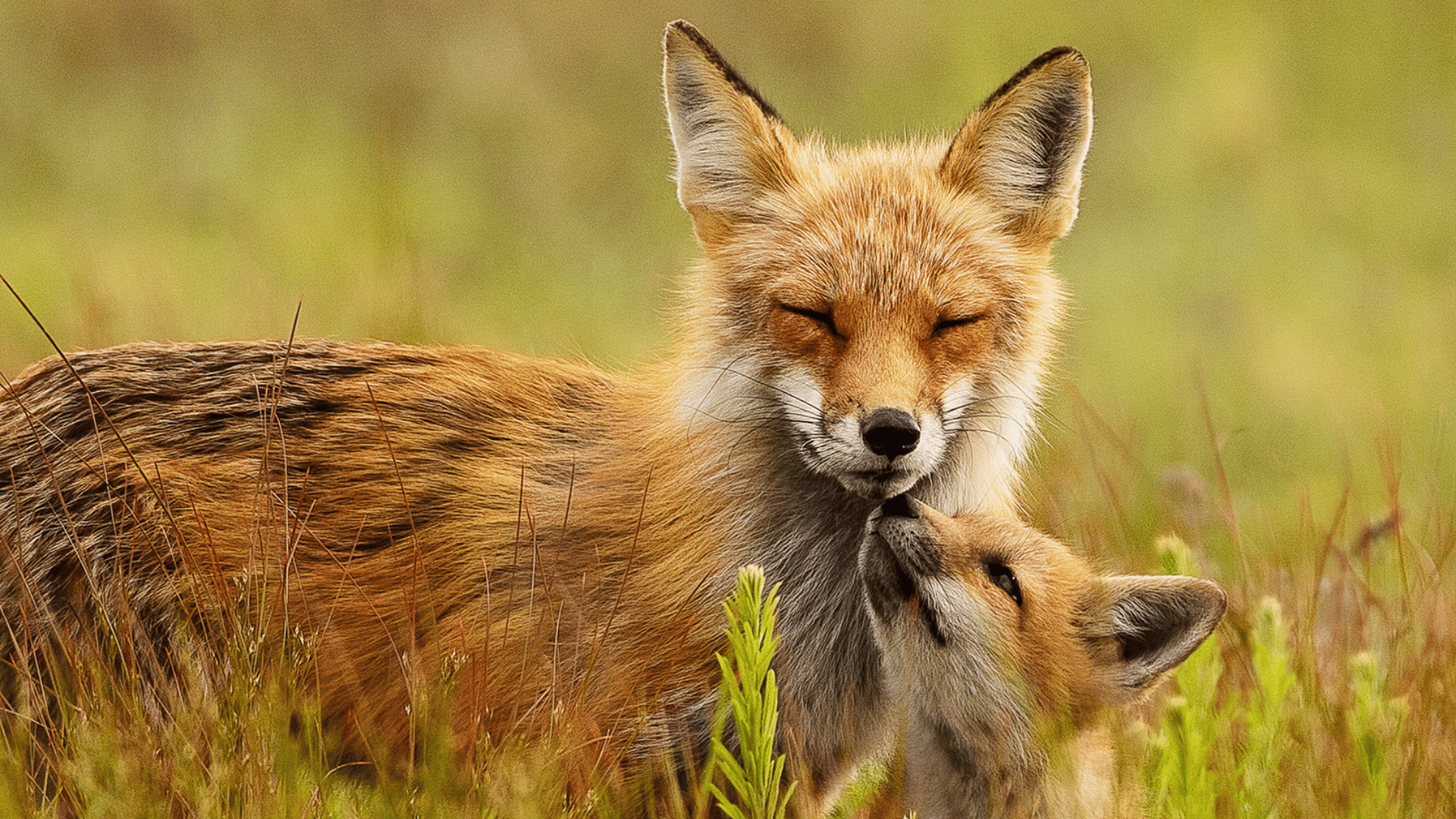
Another one of my images was taken in 2020 while I spent the spring photographing a red fox burrow den. That time, photographing the foxes was my favorite experience taking pictures of any wildlife. I was fortunate to capture many great images of the red fox family, but I am proud of one especially. I was sitting on the ground far from the den during a time when the kits began to explore their territory away from the den.
On Mother’s Day in 2020, I did as I always do, I arrived at the den area before sunrise, staying a far distance away so that I would not disturb the foxes or notice I was there. I used my long lens to take pictures of the red fox. That morning, I was sitting on the ground when one of the kits began to explore the grasses closer to me. I captured a sweet moment when that one kit snuggled up close to the momma vixen. The image happened to win the cover image of the Virginia Wildlife Annual Photography Showcase in 2022. I love this intimate image because it was a special moment captured between mother and kit on Mother’s Day. But I could share many more favorite images, like when I photographed a humpback whale breaching in Monterey Bay or when photographing the Endangered Whooping Crane family in Texas.
TWT: What brings you the most joy when people see your work, and why?
LAC: I have had several photography exhibitions over the years. I often would show up to watch people and how they viewed my images. I often would see people just stare at an image, and I could see them connect and appreciate the image. I could even hear kids say something about one of my wildlife images as they passed by. This validates what I want my fine art and conservation images to do: to foster a deeper connection to nature and wildlife. Personally, I want my photography and writing to make a difference in this world and instill in people the desire to advocate for our natural world.
TWT: How has your work evolved over time? What are your goals for the future?
LAC: Well, back in 1990, when I started out in photography, it was very tough for women to break through in the world of wildlife photography, which was dominated by men. I tried submitting images to national magazines, but was unsuccessful at that time. I did not have the money to go traveling around the world and photograph wildlife.
So, around 1996, after moving near the Outer Banks of North Carolina, I began my journey focusing mainly on bird photography and occasionally photographing the scenes of the Outer Banks. My images were published locally in Chamber Guides, Travel Guides, Wildlife in North Carolina Magazine, and Newspapers. I spent about 25 years photographing on the Outer Banks until moving back to Virginia in 2017.
I spent a few years trying to figure out my new path for my photography in Virginia, while I continue to photograph birds around the Hampton Roads of Virginia. In early 2020, I began exploring storytelling and conservation online during COVID. Then, in 2021, I began photographing more nature subjects and decided to make a change from being just a bird photographer to being a photographer focusing on wildlife and nature conservation issues in Virginia. This move has proven to be a successful move for me.
My future goal with my conservation photography is to continue to be an advocate for all wildlife and nature conservation issues in Virginia. A couple of years ago, I started taking a big trip or two a year to photograph fine art images or conservation issues in different parts of our country. I have had articles and images published in national magazines, on social media, websites, and blogs.
Advertisement
In the coming year, I would like to use all my knowledge and experience to provide some educational photography and conservation classes to help other young photographers. I also plan to create some books. I already have a couple of ideas for books, but I have not had the opportunity to really sit down and put one together. Maybe soon I will get at least the first one published. They would be more like stories and/or tabletop books.
TWT: What type of gear and/or tips would you recommend for anyone planning to hike or spend extended time in nature?
LAC: I recommend taking the basic equipment/camera gear you need and a light tripod. For hiking, it all would need to fit in a light backpack. Camera carriers like the Cotton Carrier are extremely helpful to free your hands and ensure your camera is safely ready while hiking. In my backpack, there is always a first aid kit. Rain covers and a first aid kit are a must. I always carry a field book to take notes and extra SD cards and batteries, just in case.
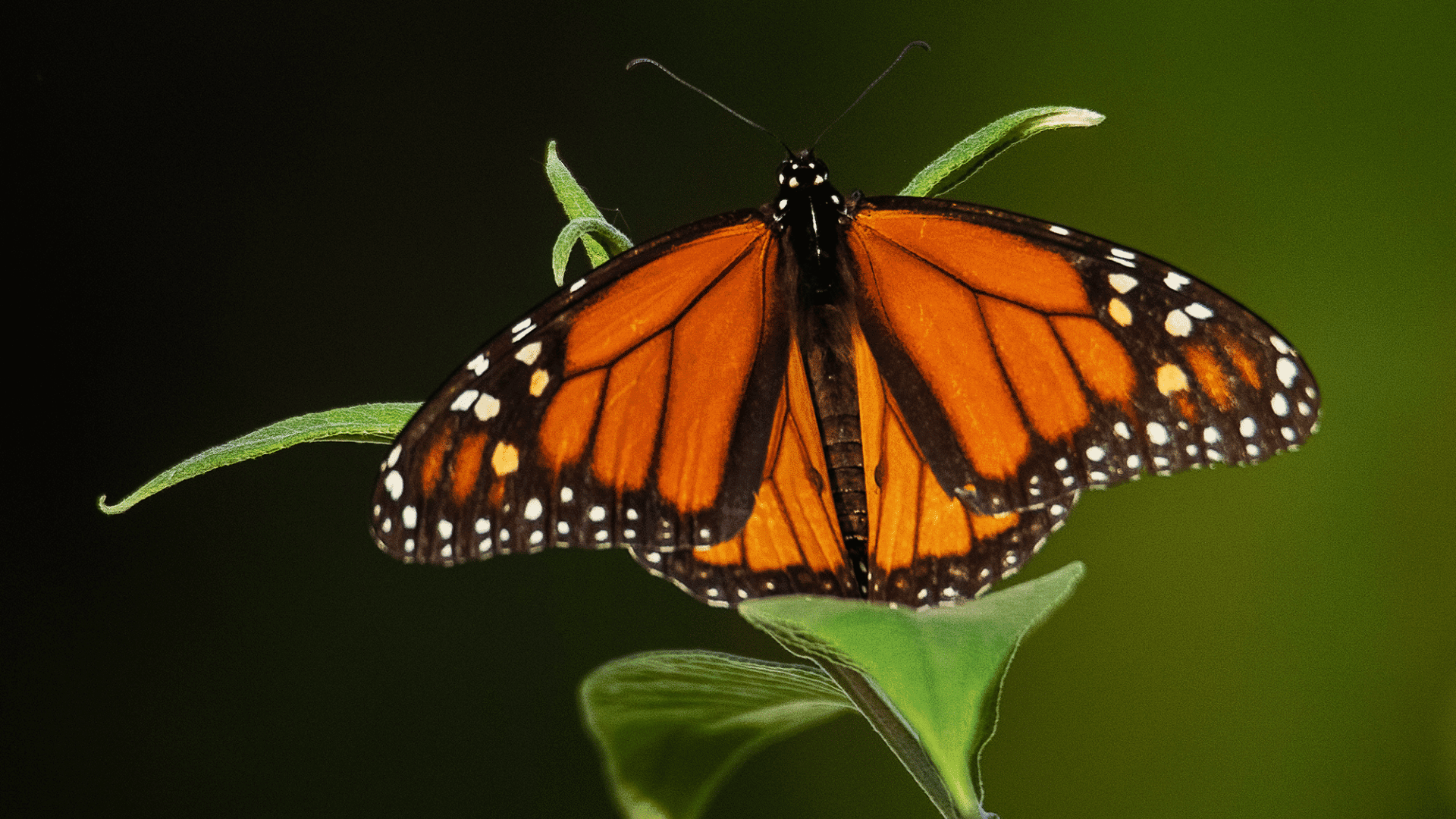
TWT: Tell us about your Butterfly Habitat Oasis Project. What inspired you to undertake this conservation project? What tips/advice would you give to other nature lovers who want to build their own butterfly habitat in their backyards?
LAC: In August 2021, I created a conservation project called Butterfly Habitat Oasis Project to help with the declining population of monarch butterflies. But I realized that other butterflies and pollinators were also in decline. I have a large pollinator habitat oasis garden in my backyard and a little garden area in my front yard. Each year, I keep expanding my habitat oasis. Before long, the whole backyard will be a pollinator habitat oasis, even for the bird pollinators as well.
I have spent the last four years documenting the species of those butterflies that visit my habitat oasis. In my pollinator garden, I do have many host plants, including lots of home-grown milkweed for the monarchs. There are many native nectar perennial and annual plants for my pollinator visitors. This past fall, I added some new host plants for other butterflies to give them a home. This allows me to photograph and use the images to advocate for all butterflies and pollinators.
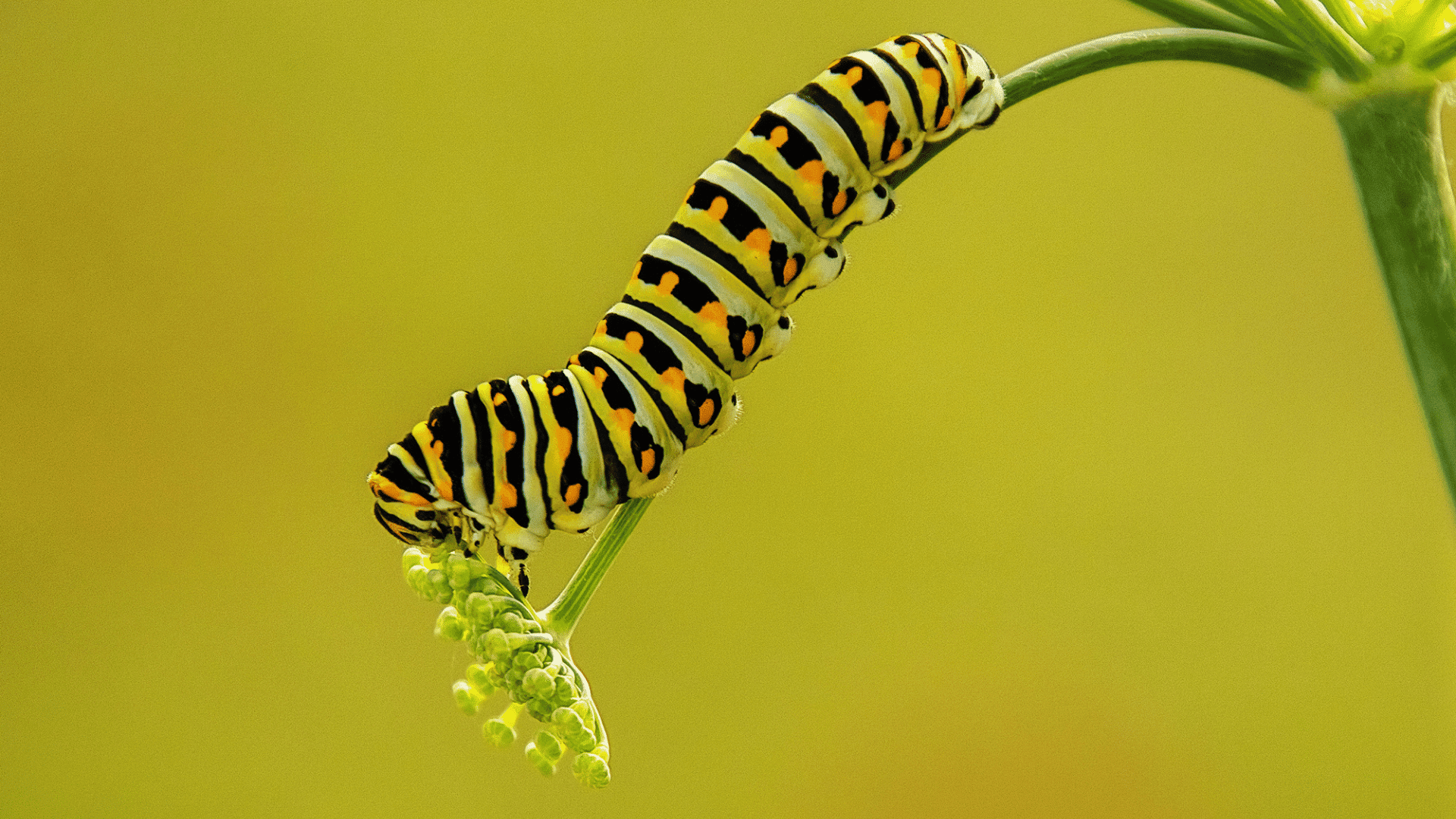
I observe, write, and photograph about the monarchs and other pollinators. I have photographed the life cycles of the monarch and black swallowtail butterflies in my own habitat oasis garden and in the wild. I do not raise or even touch the butterfly eggs, caterpillars, chrysalises, or the adult butterflies. My photography is of the species as it is, whether they are nectaring, resting, or breeding.
In addition, I provide speaking engagements on the monarch butterflies and on my Butterfly Habitat Oasis Project. I try to advocate and get the word out to plant native pollinator gardens in backyards, open spaces, parks, and even in containers on patios. This project has become a very important project for me because, as my health declined in late 2022 and I was diagnosed with a neuromuscular disease, I have spent a lot of time with butterflies and other pollinators. Being outside photographing these pollinators brings much calm and peace into a world of much pain from spinal compression fractures and dealing with a lot of neuromuscular disease symptoms.
As part of my advocacy for monarch butterflies and pollinators, I continue to give presentations and spread the word for creating pollinator gardens. The more pollinator gardens we have, the safer places there are for the pollinators, and the more chances for them to increase their populations.
TWT: What advice would you give to aspiring nature photographers?
LAC: My first piece of advice, once you decide on what brand of camera gear you want, is to learn your camera inside and out. A good way to do this is to take pictures every day, even if it is in your backyard. This is an easy way to feel comfortable with your camera and lenses and to play with settings.
I recommend taking a few photography classes from a professional or maybe a local community college. Find an experienced photographer who can be a mentor to you and provide you with some of the basic technical skills, and learn techniques for the type of nature photography you plan to do. Always do research on your subjects, whether it is a place or wildlife, before going out into the field to photograph. If possible, I would also suggest doing some scouting at that location before you start taking serious photographs. Lastly, always follow the rules of the site where you are photographing. Be respectful of the place or wildlife by being a responsible and ethical nature photographer.
For more information about Lori A. Cash and her projects, follow her on Instagram and on loriacash.com. Click here to browse her fine art prints and print-on-demand products.