Colombia’s Liquid Rainbow
Deep in the Serranía de la Macarena national park in Colombia, there is a river with a unique feature. Most of the year, Caño Cristales looks like any other river with rocks under the water. However, between July and November, the river displays bright red, pink, yellow, blue, and green colors that mesmerize the onlookers.
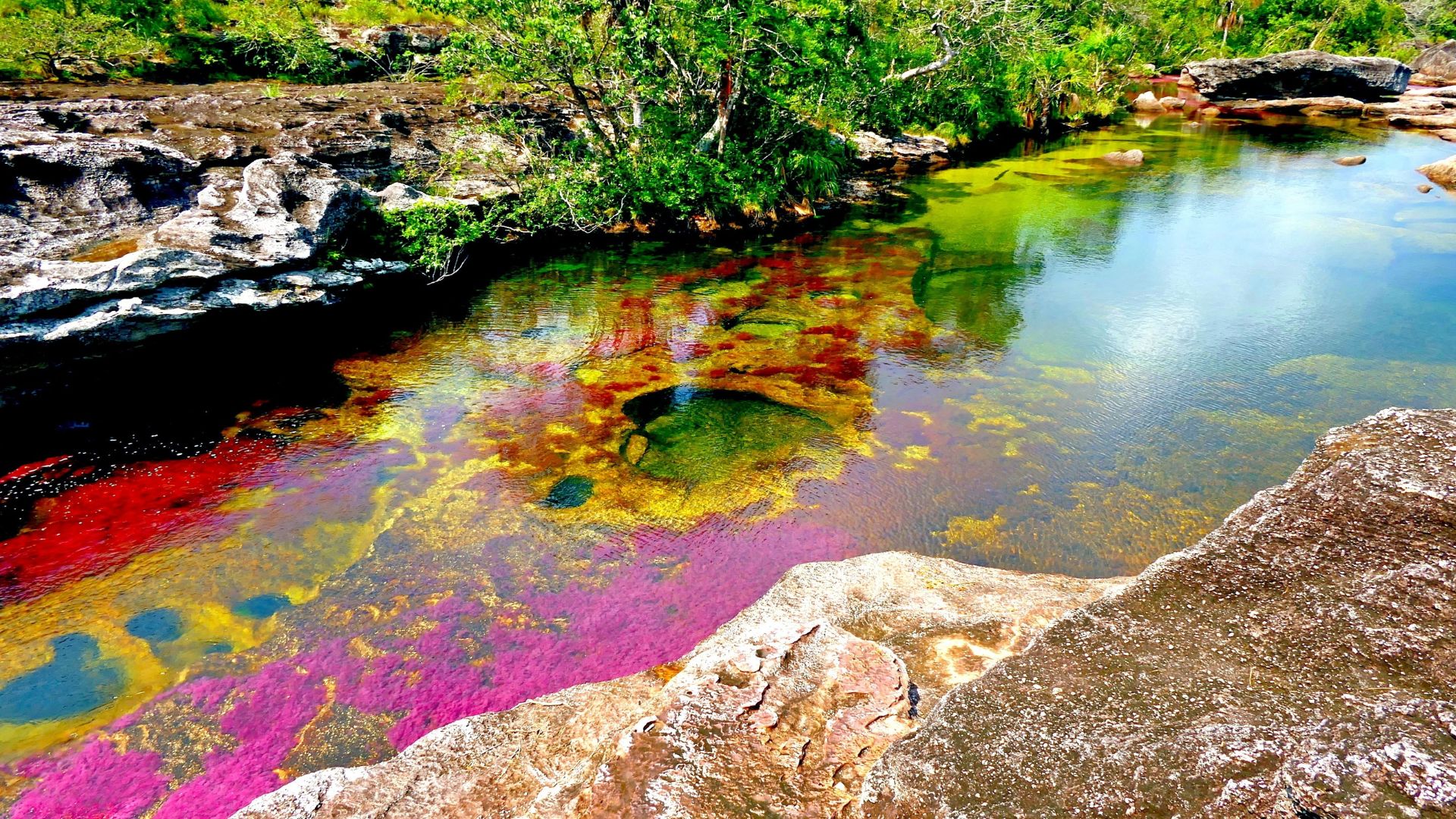
The oddity is not manmade but created by a rare plant species that grows under the riverbed.
Biology of the Rainbow Riverbed
The plant responsible for the river’s colors is Macarenia clavigera. The plant does not grow in the muddy areas of the river but directly onto the riverbed, composed of ancient quartzite rock that is over a billion years old.
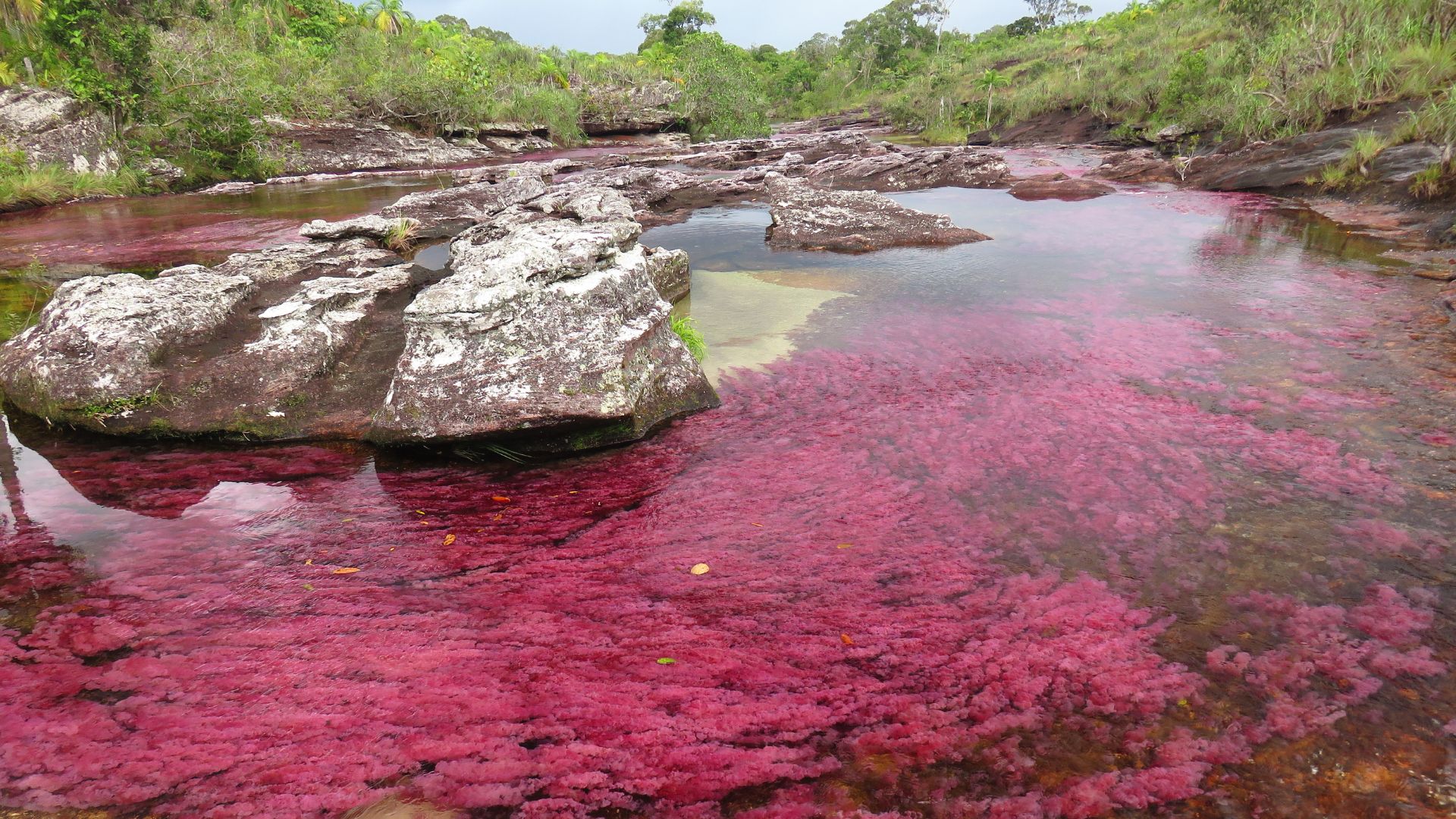
The ideal conditions for the plants to grow and display their colors are precise and limited to a specific time of the year. During the rainy season, the bright sunlight does not reach the riverbed because the river is too deep for it to pass through the water. During the dry season, the water levels in the river are too low for the plants to stay under the water, exposing them to the sun.
Advertisement
However, during the period in between these seasons, the water levels are perfect for the rare plant. The clear water is deep enough for the sunlight to reach the riverbed. The plant produces red and pink pigments that act as a natural sunscreen to protect itself from the UV rays in the sunlight.
Protecting the Rare Plant
Because Macarenia clavigera is rare and only endemic to Caño Cristales, it is a fragile species that can be easily threatened by outside elements.
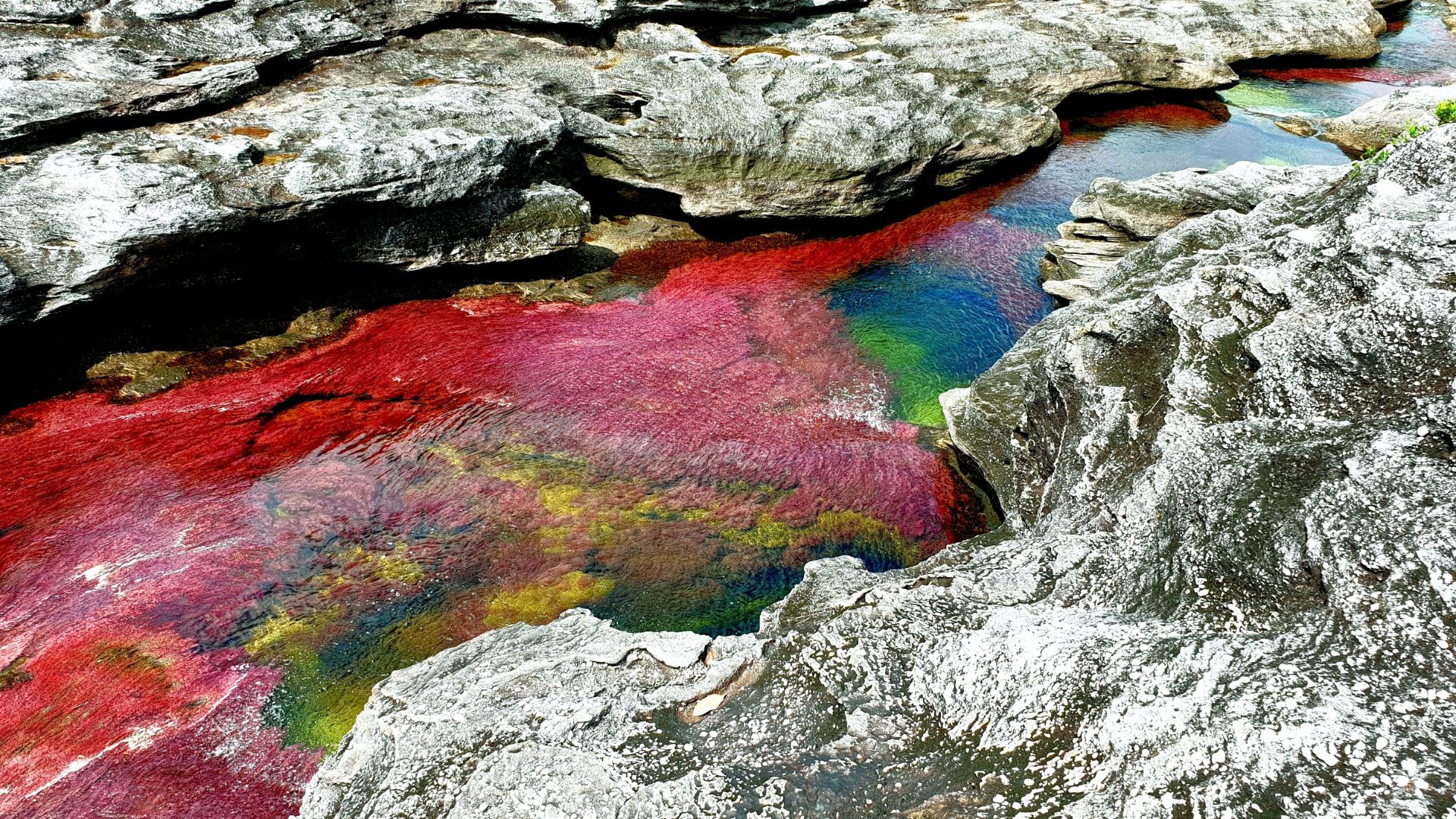
The deforestation of lands outside the national park, the practices of agriculture in these areas, and the rising temperatures in these regions all threaten the delicate ecosystem of the river. These factors directly impact the water levels in the river, threatening to harm the plant species.
Conservationists in the region limit the number of visitors to the park and require these travelers to follow specific rules to ensure the survival of the unique plants. For example, travelers are not allowed to wear sunscreen or insect repellent when they visit the park. These chemicals may react adversely with river water and coat the plants, preventing them from absorbing nutrients from the river. Such a rule will ensure that this natural phenomenon survives for future generations of Colombia.
 Read Exclusive Stories
 Bookmark & Save Articles For Later