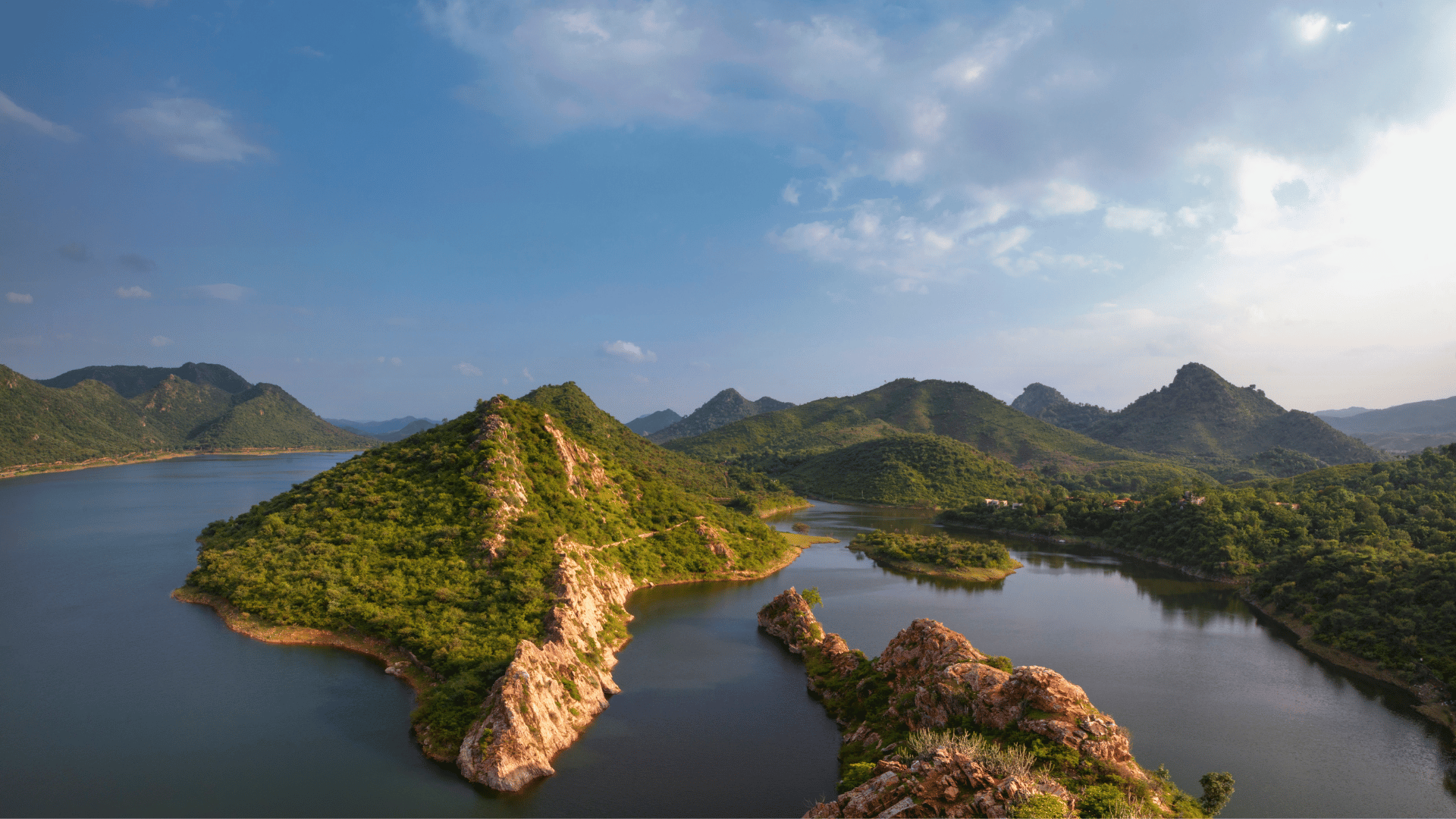
Blurring the line between city streets and wild landscapes, environmental educator and naturalist Gabriel Willow invites people to see the unique life thriving all around them. From leading nature walks in midtown Manhattan to developing a biodiverse retreat space in Ecuador, Willow believes there’s “wildness and wildlife to observe everywhere.”
In this conversation with Tomorrow’s World Today, he reflects on his journey into environmental education, his approach to photography and art, and why helping others “look more closely at the world around them” is both his greatest joy and his life’s work.
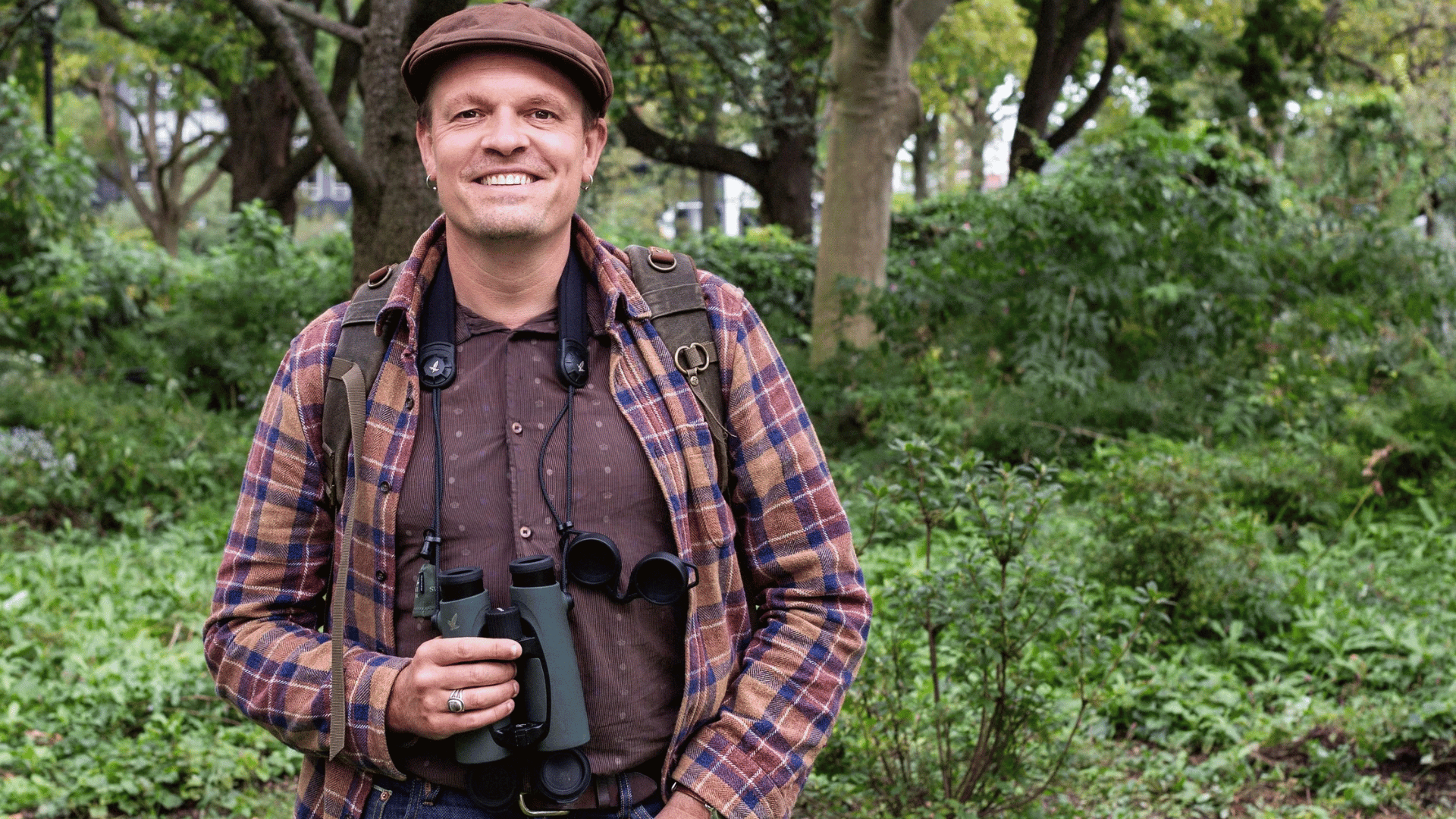
Tomorrow’s World Today (TWT): Tell us about yourself and what inspired you to begin your work in environmental education.
Gabriel Willow (GW): This is always a bit hard for me to answer… I’ve always just been fascinated by the natural world, plants, animals, fungi, etc. I grew up in rural areas, but my parents were from NYC, so I’d come to the city to visit my grandparents and cousins, etc. So I also always had this appreciation for both rural and urban environments. Later, I studied Human Ecology in university, and have been especially interested in the intersection of the ‘natural’ vs ‘manmade’, which I think is largely a false dichotomy. And I’ve always had a passion for sharing nature with others. I led my first nature walks & tours when I was about 14 years old.
TWT: What is it specifically about the natural world that inspires your work?
GW: Everything really… adaptability, resilience, the range of ecosystems, and different ways organisms are similar but also different across those ecosystems. Also trying to understand the Umwelt, the sensory realm of other creatures, and how understanding the subjective reality (to the extent we can) of other lifeforms can inspire and inform our own existence. Or another way of putting it would be the ‘noumenon’ that Kant wrote about, the essentially unknowable nature of other organisms. I like to try to observe and approach other lifeforms as they are, and not project the limited human reality upon them. And there’s wildness and wildlife to observe everywhere! Look at some lichen on a brick wall on a city building. This organism is a symbiotic creature with both algae and fungi, totally wild, but also totally quotidian. And beautiful.
TWT: In addition to environmental education, you also capture nature photography. Tell us about a few of your favorite photos you’ve captured and why they are your favorites.
GW: I have literally never thought about this before! I have only ever printed one of my photos, a close-up of a magnolia flower that I made a big print of, and it’s hanging over my bed. I don’t know if it’s a favorite photo per se, but I do think it looks cool. I mostly photograph things for documentation more than art, and add the photos to iNaturalist or eBird or put them on Instagram if I think others might enjoy them. I guess it’s less about image-making and more about capturing something cool so that I can remember it later. So I see my photo, say, of a Lammergeier (an enormous vulture that lives in the Alps and Himalayas that eats bones and is just a badass bird) and while it’s technically not an amazing photo, I remember being in the Alps, and having climbed up this hillside to see a bird I’d dreamed of seeing for years, and watching it tumble (territorial? play?) with a Golden Eagle, and it was just a very moving and amazing experience. The photo brings me back to that moment, so it’s a favorite, although it’s a bit distant and blurry. I also love documenting birds and other wildlife in NYC; sometimes, there are unexpected juxtapositions there.
TWT: What brings you the most joy when giving tours/education, and why?
Advertisement
GW: Just sharing what’s already out there with folks, and maybe opening their eyes a bit to what is all around them, even in settings like Midtown Manhattan. I’ve had people who were amazed to see an eagle or a seal or a coyote in the middle of the city, or perhaps took a closer look and saw fireflies or a robin feeding its babies, whatever it was, if it stays with them, and maybe causes them to continue to look more closely at the world around them, that’s a success, and the fact that I get to do this for a living is a real privilege for me, it’s more what I live for than a living I guess.
TWT: You also create drawings, watercolors, and illustrations inspired by nature. What inspired you to begin that work, and how do you go about creating a piece?
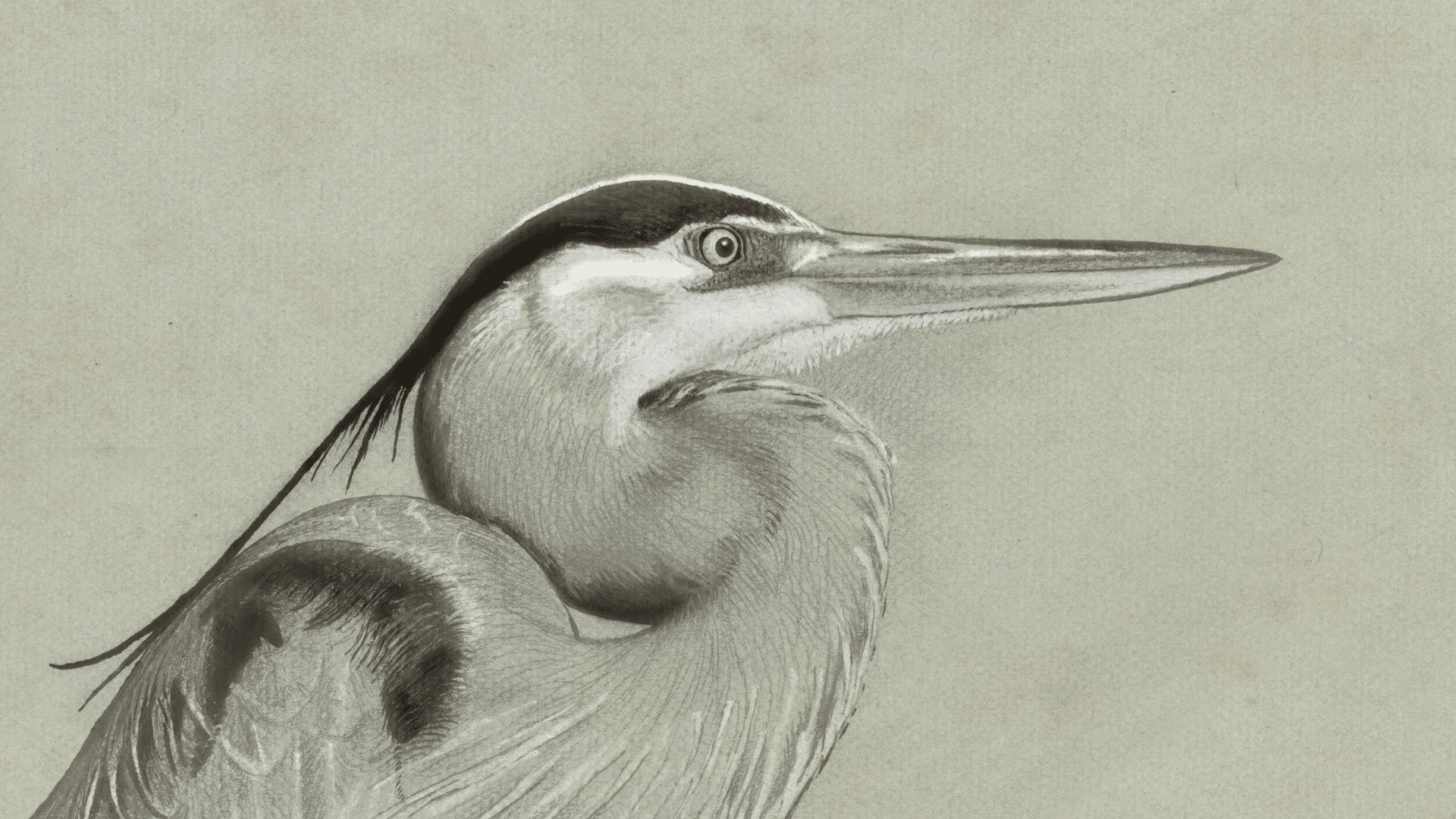
GW: I’ve been sketching and drawing since I was a little kid, and it mostly was studies of the natural world: leaves, flowers, birds, bugs, you name it. Art has been a bit on the back burner for me recently, but it’s something I’d like to get back into at some point. I’d like to develop a more regular practice of drawing, journaling, and sketching. I have had a few shows in galleries over the years, and that’s always fun.
TWT: How has your work evolved over time? What are your goals for the future?
GW: For a long time, I was very focused on NYC and urban nature exploration. I still am, but I also have been leading international nature tours for the past several years, to places like Costa Rica, Colombia, the Galapagos (and mainland Ecuador as well). That’s been pretty exciting. I’m also developing an eco-lodge in Ecuador, and would like it to be a retreat center for artists, writers, conservationists, and biologists. I think it could be really fruitful to have a space in such a biodiverse place for people to gather and share creative ideas and conservation projects.
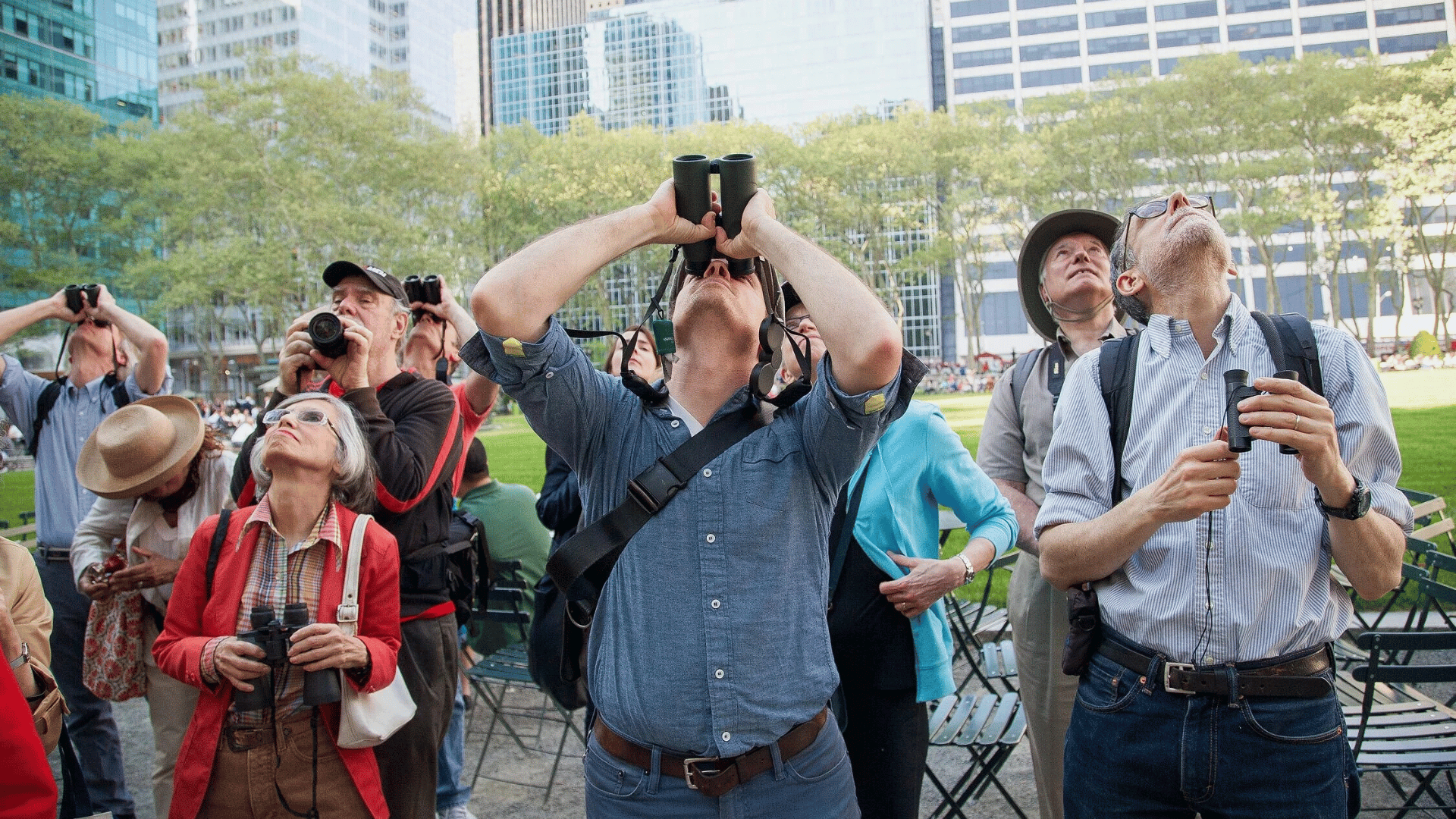
TWT: What type of gear and/or tips would you recommend for anyone planning to hike or spend extended time in nature?
GW: That’s the beauty of it, you don’t really need anything special! Just get outside! It’s always useful to have a good pair of binoculars, a magnifying glass, and maybe a field guide to birds or wildflowers. Plus, there are also a lot of great free apps now (like iNaturalist or eBird, or Merlin) that can help you ID or catalog sightings, as well as add your observations to community science projects. And pretty much everyone has a camera in their pocket on their phone. Phone cameras don’t do great telephoto/ wildlife photography, but can serve well for photographing plants or insects that you can get close to.
TWT: What advice would you give to anyone aspiring to enter the environmental education or nature photography space?
GW: Just spend a lot of time in nature, really get to know a local place intimately. Observe the seasonal changes (if you live in a place with seasons), the rhythms of migration, plant growth, or insect life stages. Try to understand the interconnected relationships around us. That close observation and understanding (although there’s always so much more to observe and to learn) is at the heart of field ecology and scientific inquiry, but also is important for a layperson to notice and share, whether as an artist, a photographer, or an environmental educator.
For more information about Gabriel Willow and his projects, follow him on Instagram and on gabrielwillow.com.