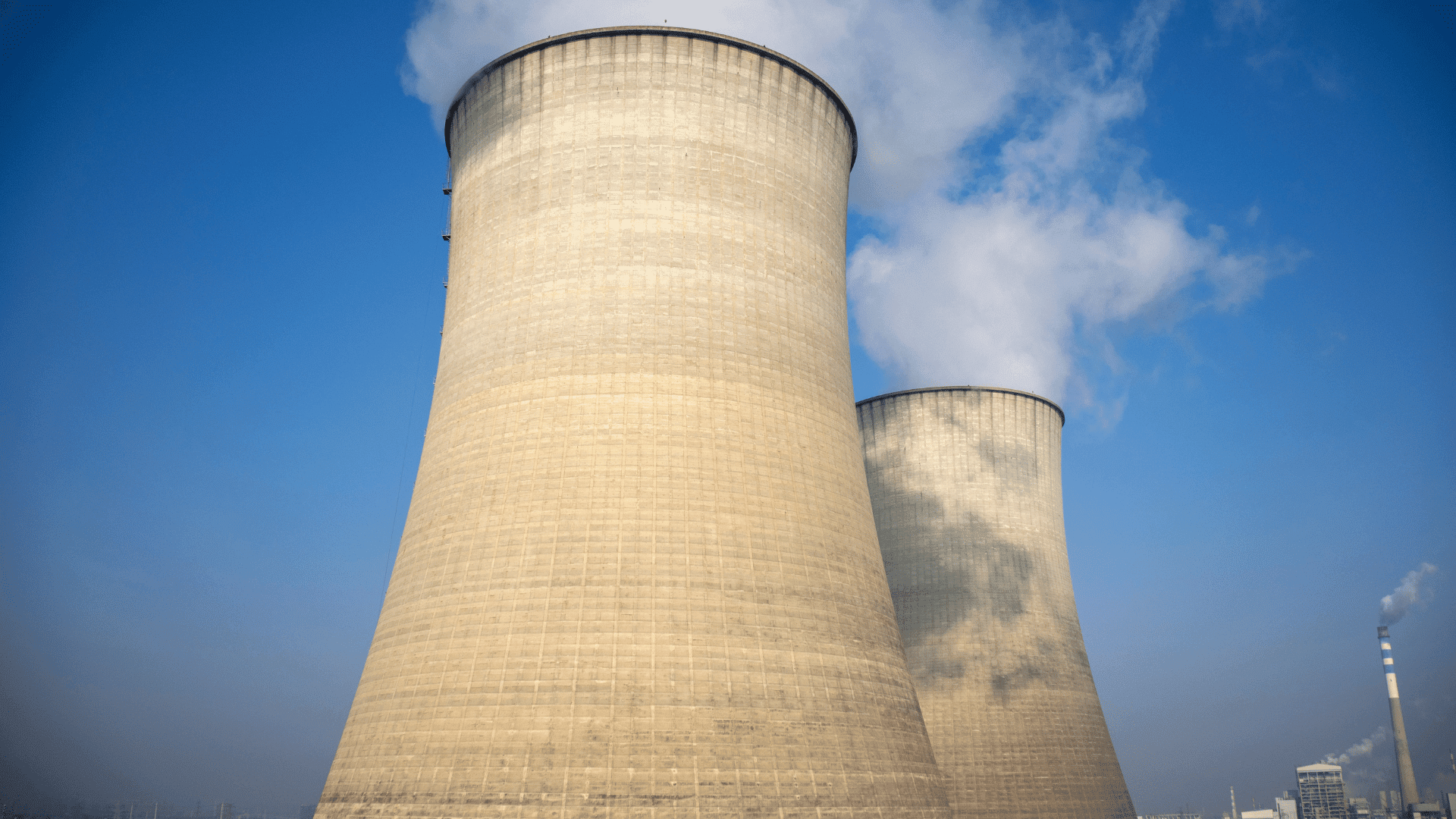
Nuclear energy usually requires massive cooling towers and sprawling industrial complexes. However, a company called Deep Fission is taking all of that underground. The California-based startup just started drilling its first data acquisition well in Parsons, Kansas, marking a shift from blueprints to field work.
The idea is to take a small pressurized water reactor, the same kind of technology used in many existing plants, and bury it a mile deep into the earth. By placing the reactor in a sealed borehole, the company can use the natural bedrock for shielding and safety.
Drilling for Data
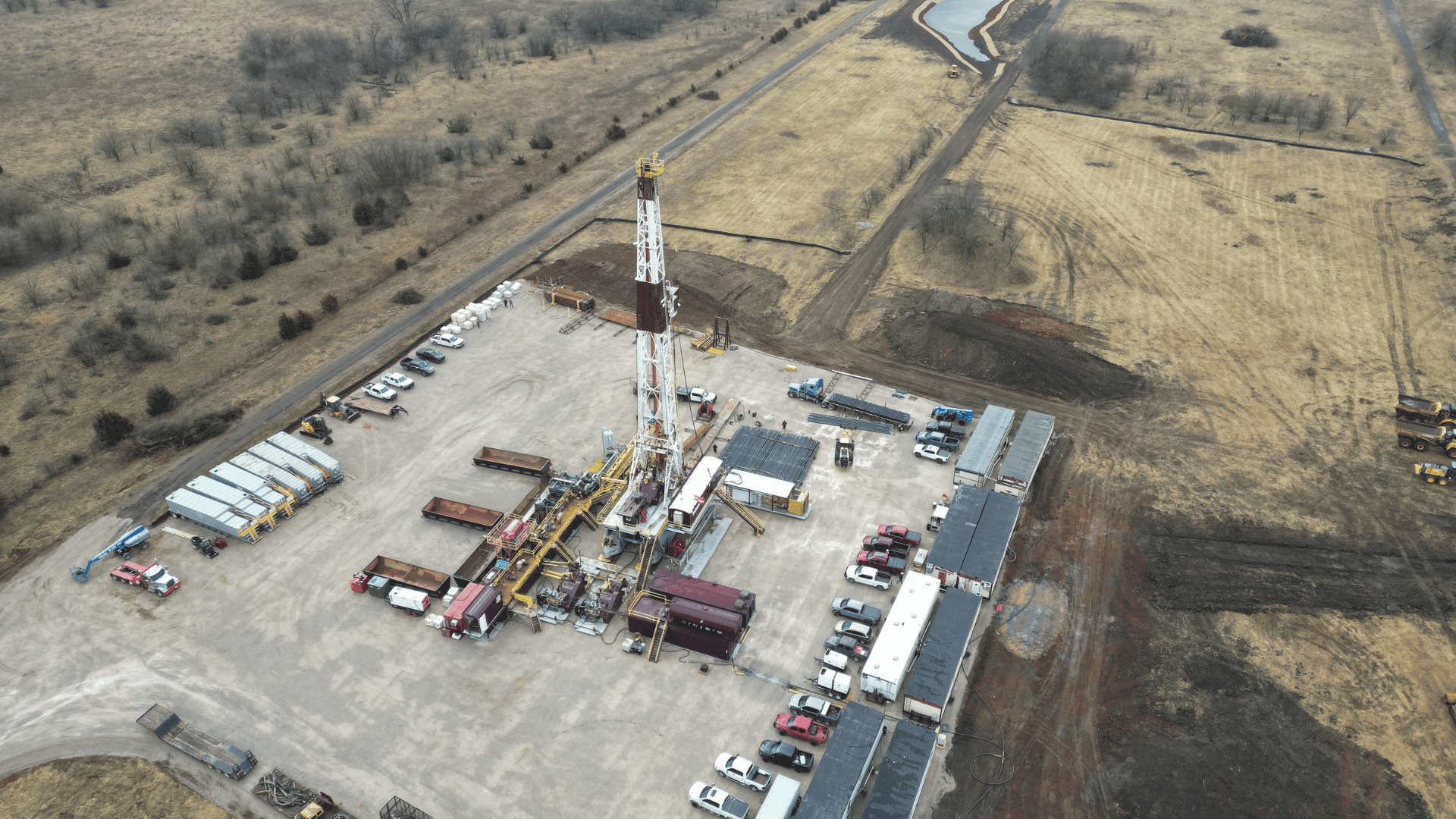
The new well in Kansas is about eight inches wide and will go down 6,000 feet. It’s the first of three planned wells meant to help the team understand the ground they’re working with. Before the drills could start, the company had to finish a drilling pad to make sure everything stayed safe and efficient.
Right now, the team is gathering info on the local geology, water, and temperatures. This data helps them finalize their engineering designs and satisfy safety regulators.
Advertisement
“Drilling our first borehole is a major step forward for Deep Fission,” said Liz Muller, CEO and Co-Founder of Deep Fission. “It represents the shift from concept to construction and begins the process of demonstrating a fundamentally new approach to nuclear energy deployment.”
An Underground Reactor
Deep Fission is taking standard nuclear tech and combining it with drilling methods often used in the oil and gas industry. Because the reactor sits so deep, it doesn’t need the large, expensive containment structures required for surface plants.
The project is part of a Department of Energy pilot program that allows companies to test new reactor designs on sites outside of national labs. This is a significant advancement for the industry because it cuts through some of the traditional red tape that usually slows down new energy projects.
The company was founded in 2023 by the father-daughter team of Liz and Rich Muller. If their three-well program in Kansas goes as planned, it could develop a template for a much smaller, more discreet way to generate clean power.