We’ve known for over a century that bacteriophages, tiny viruses that naturally hunt and eat bacteria, could be a powerful tool in medicine. As bacteria get stronger and stop responding to antibiotics, these “phages” are looking like our best bet for the future.
Traditionally, the problem when working with phages has been a headache. You usually have to find them in nature or struggle through a slow, difficult process to modify them in a lab. It’s messy work.
Now, researchers from New England Biolabs (NEB) and Yale University have found a workaround. In a new study published in PNAS, they describe a method to build these bacteria hunters entirely from scratch using digital blueprints.
Building From a Digital Blueprint
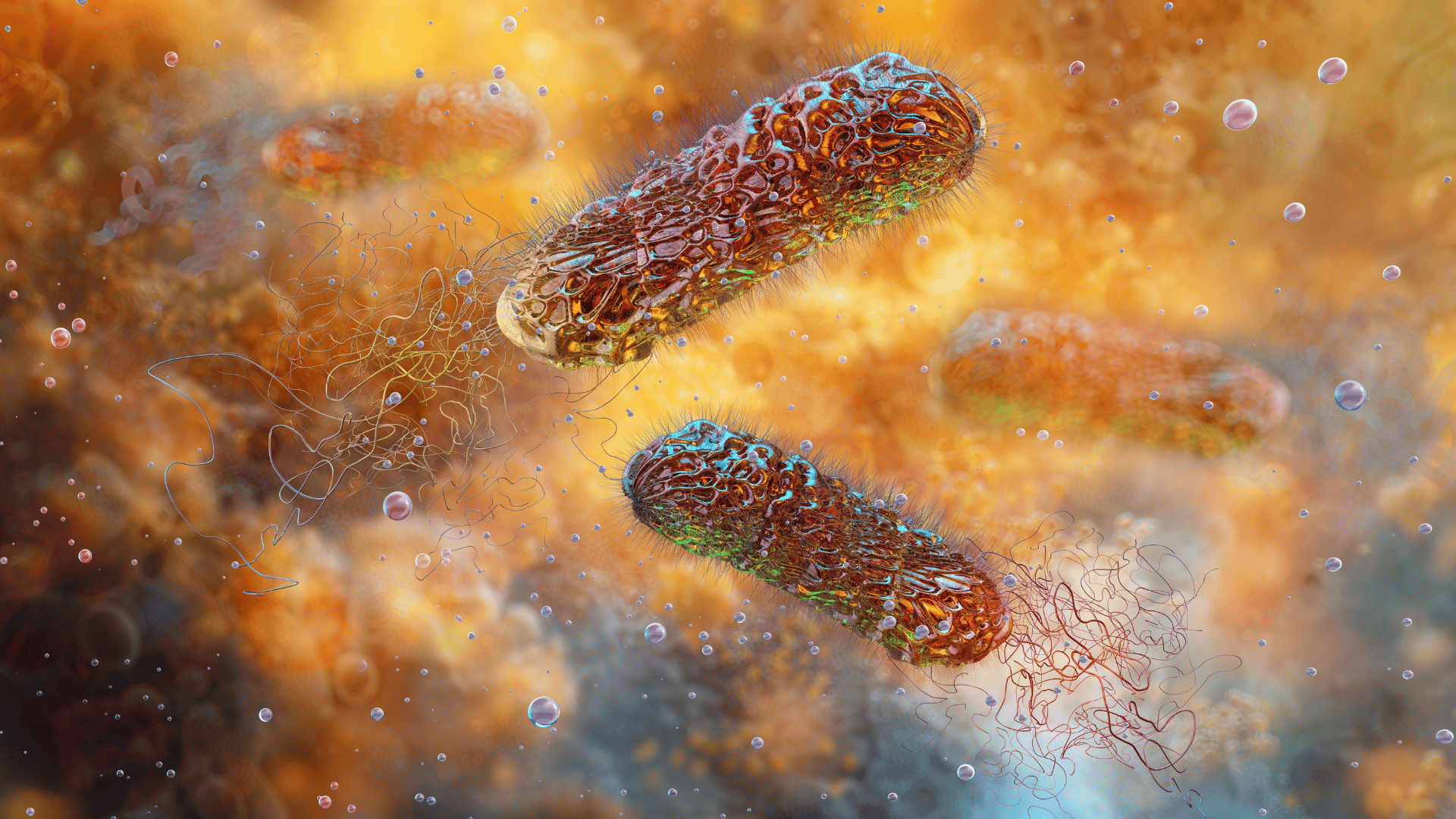
Instead of growing phages inside bacteria, which can be toxic and prone to errors, the team used a method called “Golden Gate Assembly” to stitch the virus together outside the cell. It’s similar to building a Lego set. They took 28 fragments of synthetic DNA and assembled a phage specifically designed to target Pseudomonas aeruginosa, a dangerous, antibiotic-resistant superbug.
Advertisement
Because they built it piece by piece, they could easily make upgrades. They swapped out specific genes to change which bacteria the phage attacks and even inserted a “reporter” that makes the infection glow, allowing them to track it in real time.
“Even in the best of cases, bacteriophage engineering has been extremely labor-intensive. Researchers spent entire careers developing processes to engineer specific model bacteriophages in host bacteria,” said Andy Sikkema, a Research Scientist at NEB. “This synthetic method offers technological leaps in simplicity, safety and speed, paving the way for biological discoveries and therapeutic development.”
Finding the Right Nails
This approach solves a lot of logistical nightmares. By assembling shorter strands of DNA based on computer sequence data, the process is safer and less likely to contain mistakes.
Additionally, it sparked a lot of collaboration. While NEB refined the tool, partners at universities are figuring out how to use it. For example, researchers at Cornell are using the method to build sensors that detect E. coli in drinking water, while a team at the University of Pittsburgh is targeting other difficult bacteria.
“My lab builds ‘weird hammers’ and then looks for the right nails,” Greg Lohman, a Senior Principal Investigator at NEB, added. “In this case, the phage therapy community told us, ‘That’s exactly the hammer we’ve been waiting for.’”