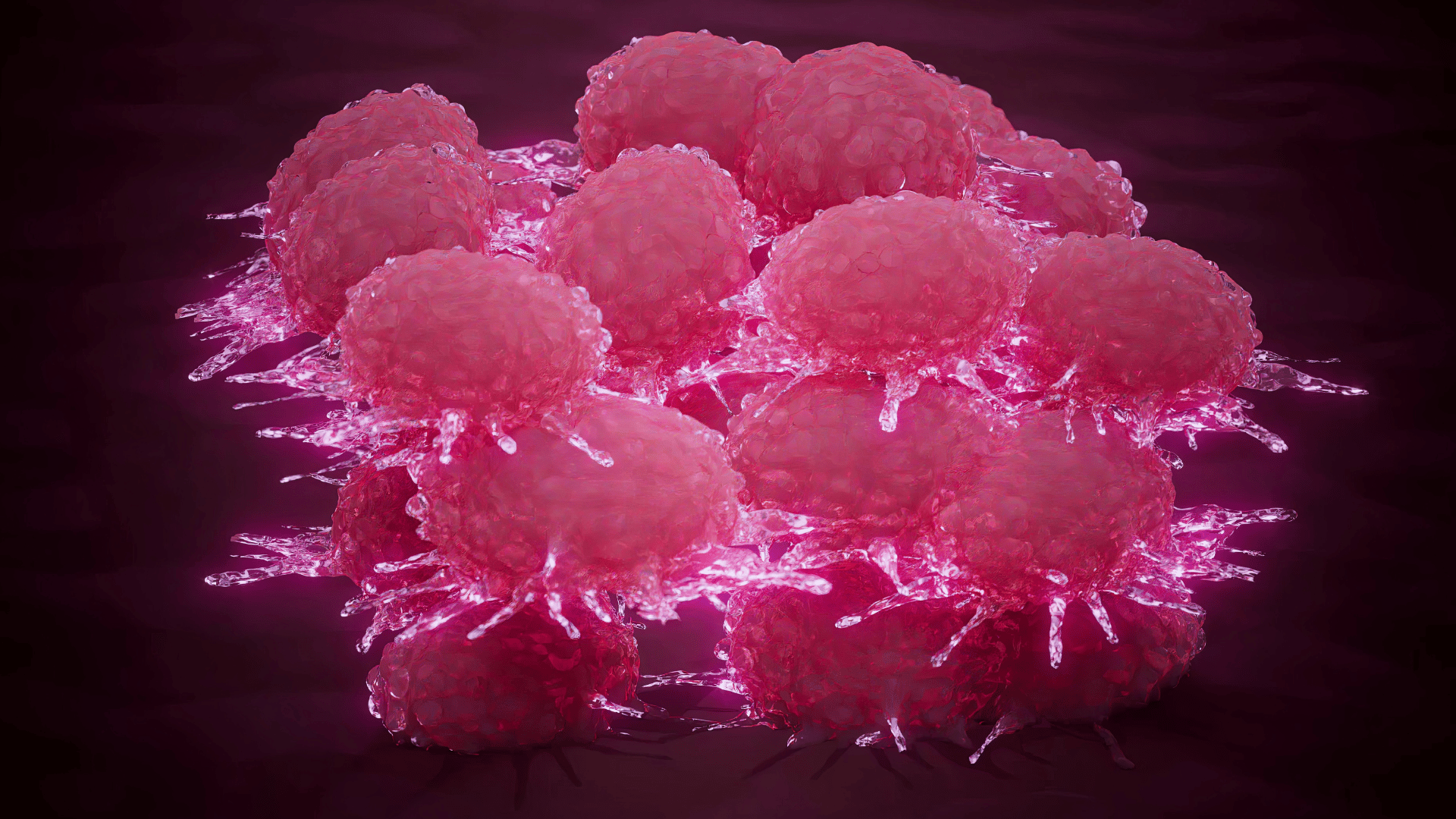
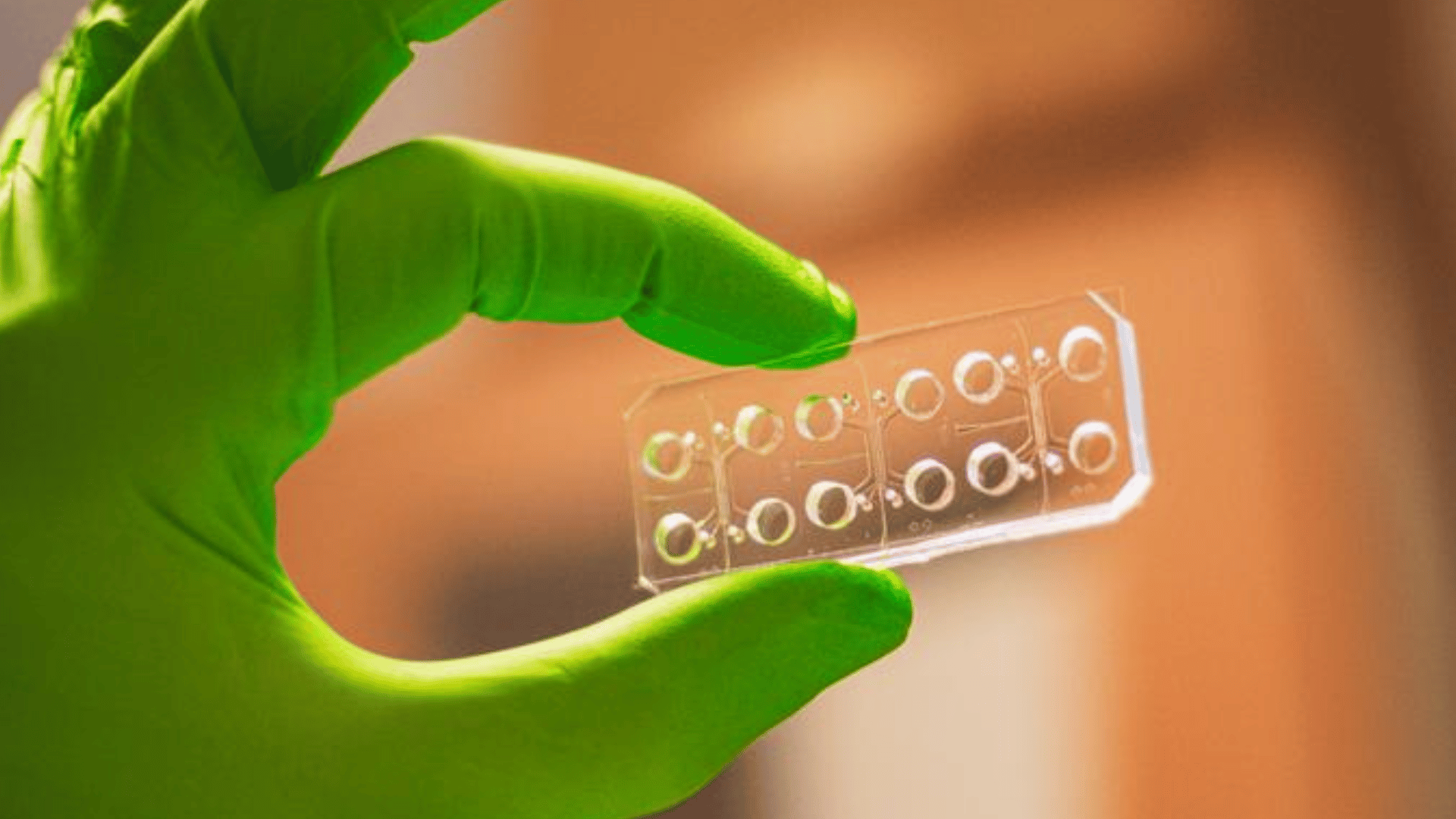
Like most medical research, studying cancer involves human or animal tests. Researchers in Sweden and Italy, however, have built a unique, tiny alternative. It is an “organ-on-a-chip” roughly the size of a stamp that hosts living head and neck tumor cells, blood vessels, and nerves.
The chip replicates how basic organs function outside the body, allowing scientists to observe how a tumor interacts with its surroundings under controlled lab conditions.
“Rather than having to carry out research on animals or test potential drugs in humans, we want to be able to carry out tests in a single microsystem in the laboratory,” said Pierfrancesco Pagella, Senior Associate Professor at Linköping University, who led the study published in PNAS. “If we want to understand why a tumor grows, spreads, causes pain or resists treatment, we need models that can replicate the interactions between the tumor and its surroundings.”
Building a Tumor Neighborhood
A real tumor copies the human body, the team built the chip in three stages. First, they created a mix of hyaluronic acid, collagen, and laminins to copy the body’s natural web of proteins and carbohydrates. They found this surrounding material changed how cancer cells behaved and reacted to chemotherapy.
Next, they added structures like blood vessels, which feed tumors and help them spread. When they pumped a common cancer drug called cisplatin through those vessels, the surrounding material affected how well the medicine killed the cancer.
“We saw that the cancer cells responded to the nearby blood vessel, moved rapidly towards it and invaded it, which is the first step in tumor spread,” Pagella said. “However, the cells behaved very differently depending on the material surrounding them.”
Finally, the team used stem cells to grow nerves tied to mouth and face pain. Within days, the nerves wrapped around the tumors.
“In our three-dimensional system, we saw that tumors in contact with nerves were less likely to invade blood vessels, but at the same time grew larger. Our model enables us to study nerves as an active component of the tumor microenvironment,” Pagella explained. This is particularly interesting in head and neck cancer, where nerves are involved both in regulating tumor behavior and aggressiveness, and in cancer-related pain.”
Advertisement
 Read Exclusive Stories
 Bookmark & Save Articles For Later