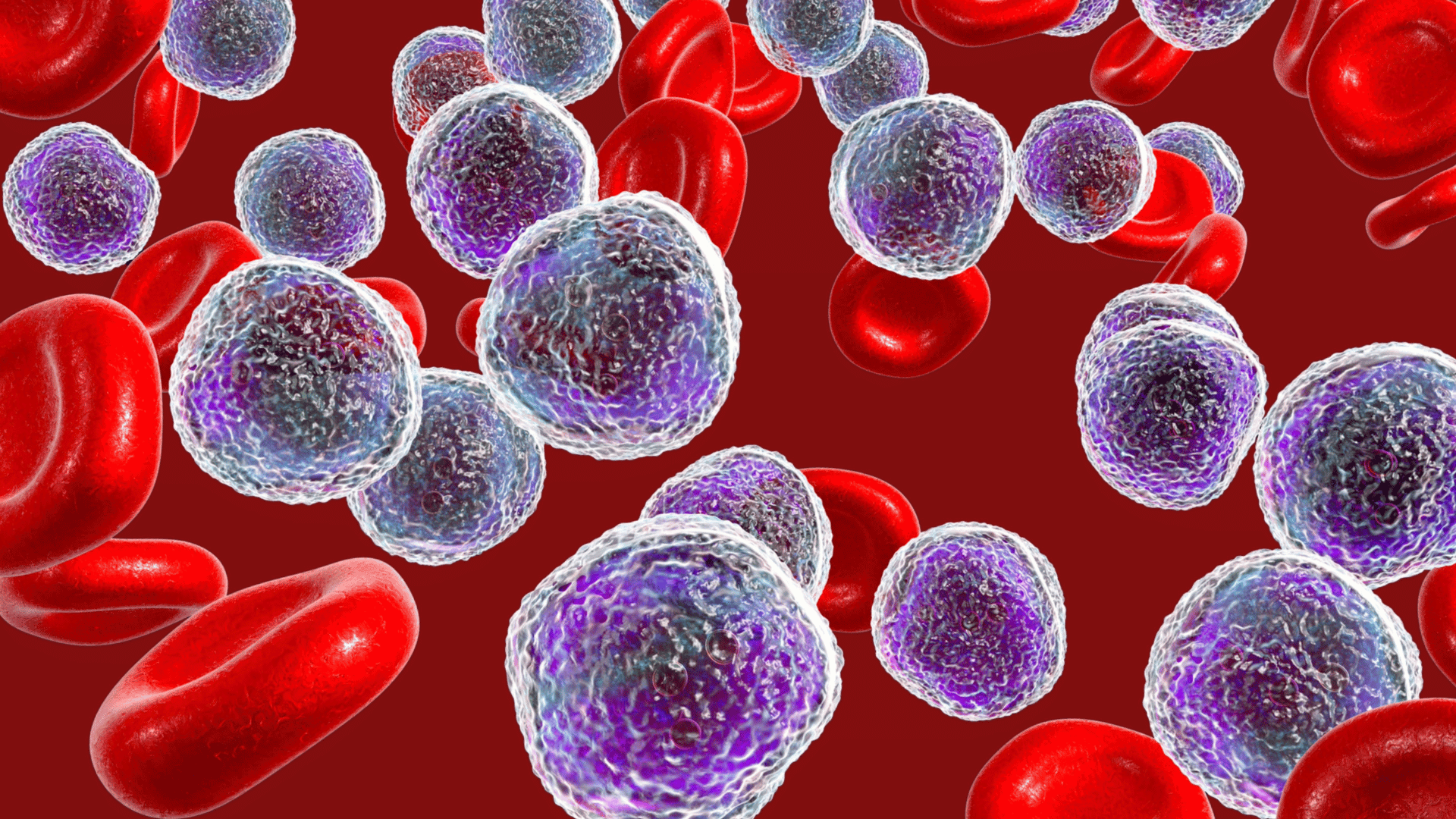
Acute myeloid leukemia, or AML, is an aggressive cancer that blocks the body from making normal blood cells. Most of the time, this disease affects adults and requires immediate treatment.
In 2015, it impacted about a million people worldwide. Recently, two researchers found a new way to fight it.
Forcing Cancer to Burn Out
Leif Eriksson from the University of Gothenburg worked with Boaz Tirosh from Case Western Reserve University to create a unique molecule called AcTor.
“Boaz Tirosh is a biochemist and understands the processes taking place within a cell. It was he who put forward the hypothesis for this treatment,” said Leif Eriksson, Professor of Physical Chemistry at the University of Gothenburg. “I am a computational chemist and have designed a molecule that enters the cancerous cell and alters it in the way we want.”
Cells have a control center called mTor that tells them when to grow or rest. The AcTor molecule forces mTor to keep the cancer cell fully active. At the same time, a standard drug is used to shut down the cell’s energy supply. The cancer cell is basically trying to press the gas pedal while the brakes are on. The stress causes the cell to die.
Advertisement
“It’s a completely new method and does not affect healthy blood cells; furthermore, our studies in mice show that drug resistance is avoided, which can otherwise happen,” says Leif Eriksson.
Clinical Trials
The treatment was tested with another drug called Ixazomib. It even worked on a very aggressive version of the disease called TP53-mutant AML. And a big plus is that it got rid of leukemic stem cells, which are often the reason cancer comes back.
“We also observed that our treatment triggered the release of a protein (ADM2), which could therefore serve as a biomarker for the treatment’s response. This could guide future translational and clinical studies,” Eriksson explained.
There is still a lot of work to do before this reaches patients. For example, the team needs to run more tests.
“Our study is an example of the shift towards focusing research on cancer metabolism within cells, rather than relying solely on methods that damage DNA,” Eriksson added. “Drug development is very expensive, but we hope that our findings will generate sufficient interest to enable us to continue our research into a cure for this serious disease.”
 Read Exclusive Stories
 Bookmark & Save Articles For Later