More than 10 million people worldwide live with Parkinson’s disease. Many of these people struggle with freezing up and falling. Regular brain stimulation helps with tremors and stiffness, but walking often remains difficult for them.
UC San Francisco researchers made a new brain stimulator to address this difficulty. It adjusts in fractions of a second while a person walks, similar to a heart pacemaker but for the brain.
“Walking is a highly dynamic behavior that requires precise timing across both sides of the body,” said Doris D. Wang, MD, PhD, associate professor of neurological surgery at UCSF and senior author of the study. “We developed a system that can recognize those movement patterns and respond in real time, effectively allowing the stimulation to work with the patient as they move.”
Brain Stimulation Helping Patients Walk
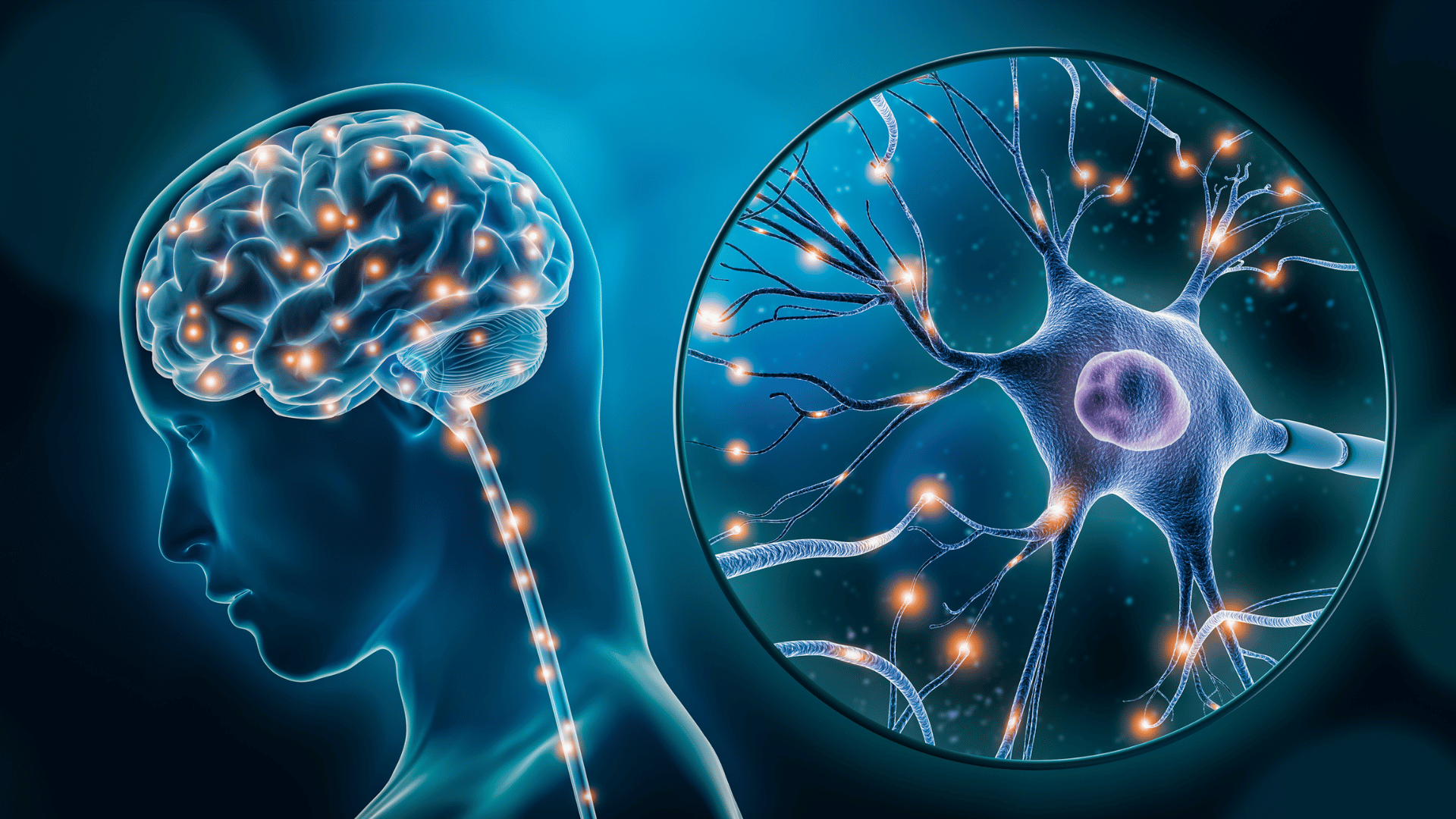
Older treatments give a constant amount of stimulation, but the constant change of walking patterns remains a problem. For example, every step needs fast coordination between your brain, spinal cord, and muscles.
According to researchers, this new system learns the specific brain signals for moving the left and right legs. The implanted device then adjusts stimulation for each step on its own, without needing an outside computer.
Advertisement
“The brain contains remarkably rich information about movement,” said first author Kenneth H. Louie, PhD, a UCSF post-doctoral scholar. “We found that we could identify neural signatures linked to each step and use them to guide stimulation in real time.”
Working in Daily Life
The team tested this on five people with Parkinson’s. In a lab, their steps became much more stable. Following successful lab tests, the patients tried it out in their normal daily lives for a few days. According to the study, the patients had fewer falls and tolerated the quick adjustments well.
“This study is about more than walking,” Wang said. “It demonstrates that brain stimulation can adapt to what a person is doing in real time. That opens the door to future therapies that respond dynamically to movement, speech, mood, cognition, and other brain functions.”
One of the most important aspects of the new brain stimulation is how quickly it responds to changes compared to older devices that respond to slow changes in the disease.
“This is an important step toward a new generation of brain therapies,” said Wang. “Instead of delivering the same stimulation all day long, future devices may continuously listen to the brain and immediately respond to a patient’s needs. Just as pacemakers transformed the treatment of heart disease, intelligent neurostimulators may transform how we treat disorders of the brain.”
 Read Exclusive Stories
 Bookmark & Save Articles For Later