With AI data centers and the rise of electric cars, our current energy grid is hungry. This demand has opened the door for a new kind of career: the Advanced Energy Systems Engineer. These are the people tasked with finding clean power that stays on 24/7, and right now, it is one of the best ways to land a high-paying job that helps the planet.
Building Next-Generation Energy
The days of just fixing old power plants are over. Today, engineers are working on Small Modular Reactors and fusion systems. You can think of these as “miniature suns” built right here on Earth. They provide steady power without the carbon footprint.
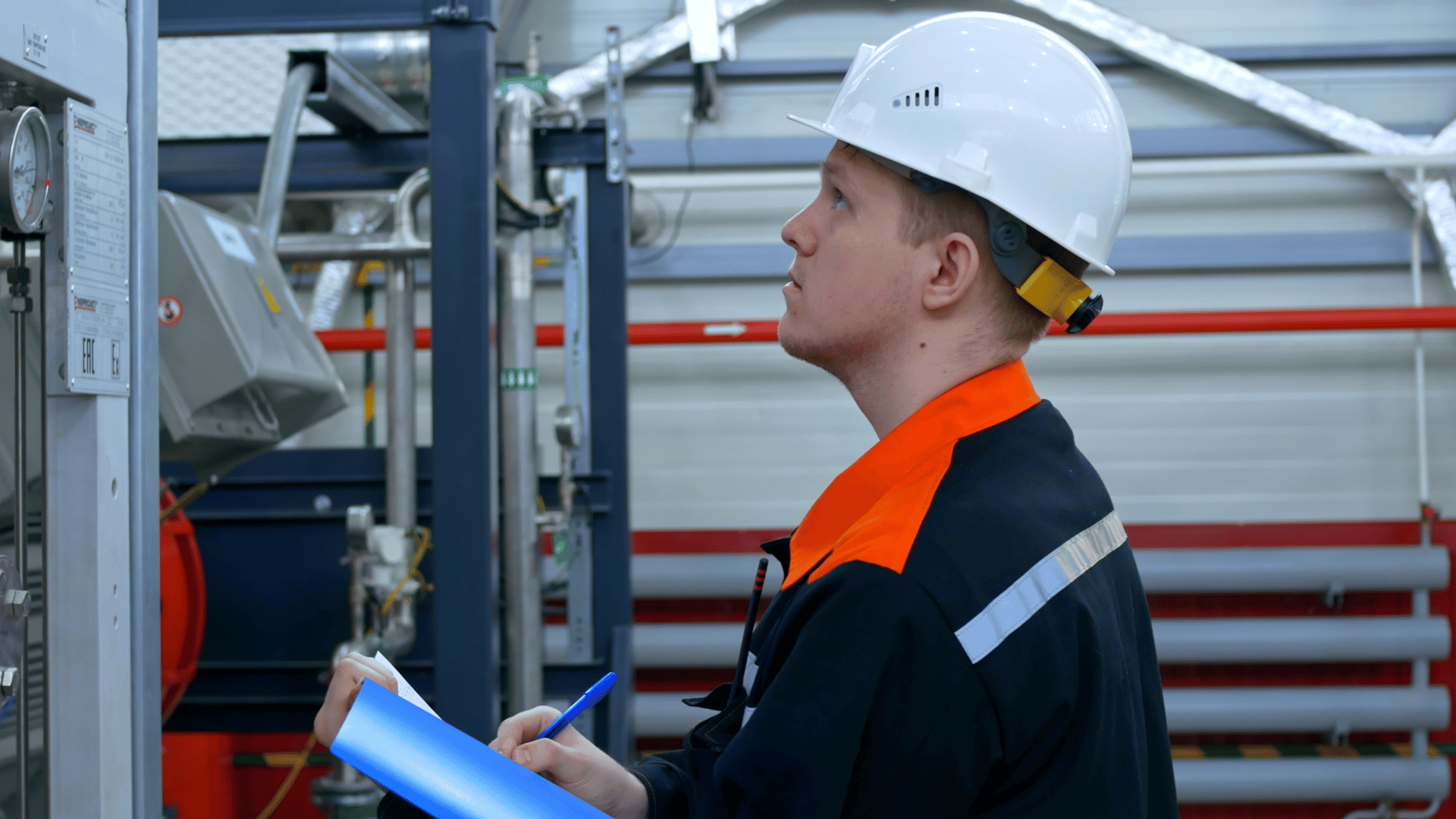
The work is pretty hands-on. You’re using sensors and software to manage reactors that operate at millions of degrees. It’s also about keeping the U.S. competitive. China is currently spending about $1.5 billion a year on its own fusion projects, so there is a real push to get more people trained to build this hardware here at home.
How to Get In
Advertisement
You don’t need an Ivy League degree to get started. While MIT and Stanford are big names, schools like Michigan, Georgia Tech, and Texas A&M have great programs for these new reactors. Even if you are already a freshman, you don’t have to start over. Many students pivot by looking for research opportunities early on.
If you’re heading toward a master’s degree, the options get even better. You don’t always need a bachelor’s in nuclear engineering to make the switch. UC Berkeley offers a program for students from various technical backgrounds, and the University of York in the UK has a fusion master’s that connects you with global experts.
The Payoff
One of the biggest perks is what some call the “Funding Loop.” Programs like the GEM Fellowship pay for your tuition and give you a stipend in exchange for interning. Basically, you get your degree paid for and a job lined up before you even graduate.
In April 2026, the Department of Energy started the $293 million “Genesis Mission” to use AI in fusion, which helps fund the equipment students use today. For a college grad, the starting pay is usually between $95,000 and $105,000. If you have a specialized master’s degree, those offers can jump closer to $130,000. Since someone has to physically build and manage these machines, these jobs are much harder to replace with automation.
 Read Exclusive Stories
 Bookmark & Save Articles For Later