People have been working with bees for thousands and thousands of years.
Today, backyard beekeeping is growing fast and for good reason. It fits perfectly into the maker movement, right under gardening and growing. It is a unique craft where humans partner with nature to create something incredibly useful.
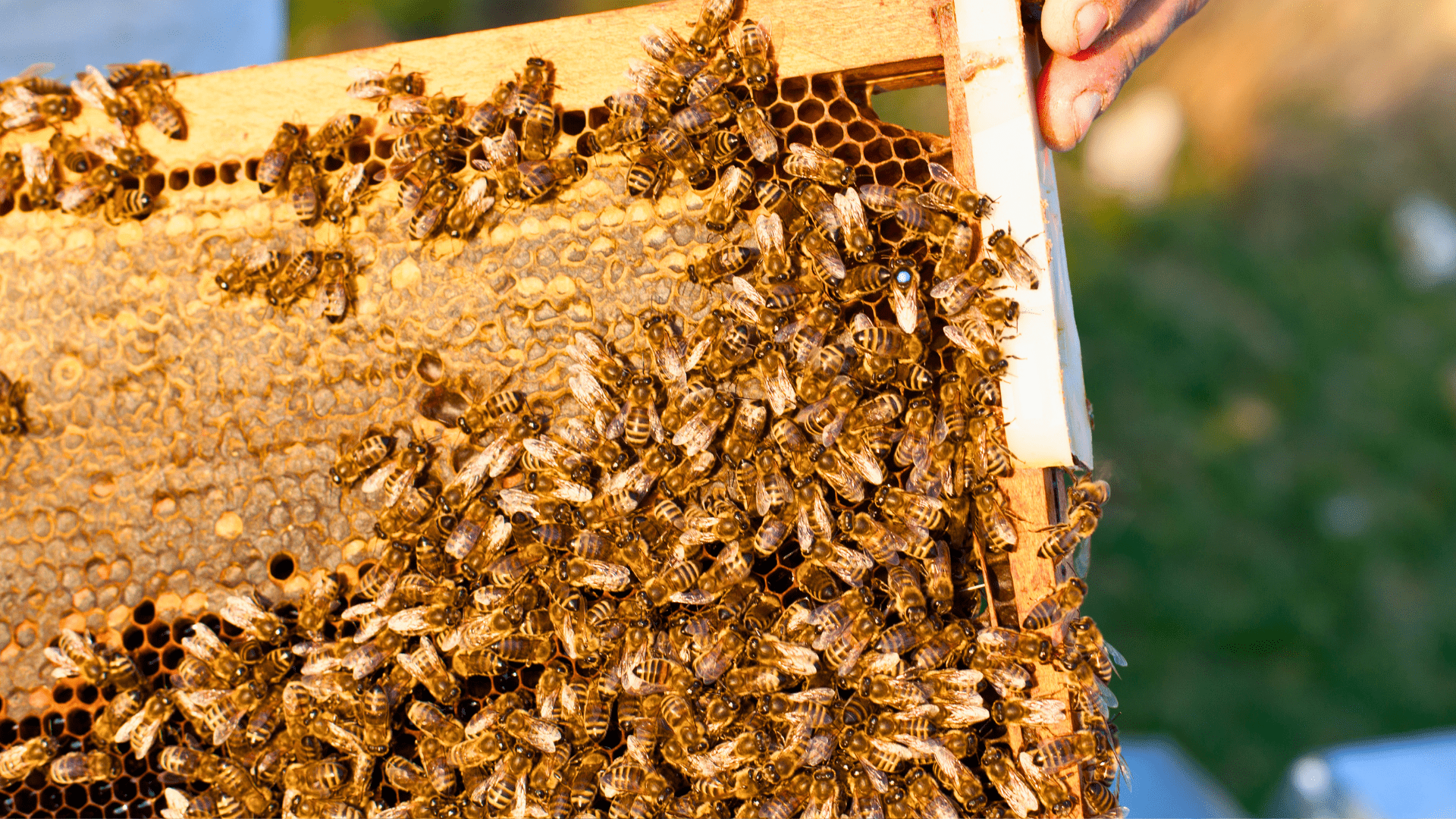
Starting a hive takes patience and some very specific gear. You need a wooden hive box, a protective suit, a smoker, and a tool to pry open the frames. Inside the hive, the creative process is on full display. Bees work as a team to build perfect wax hexagons, raise new bees, and store food. As a beekeeper, your job is to keep them safe from pests and give them enough space to build. It is hands-on work that connects you directly to the local ecosystem. Every time a new beekeeper lifts a frame from the brood box, they aren’t just tending to the insects—they are stepping into a quiet, generational rhythm that connects them to the land, their ancestors, and the delicate balance of nature.
But, by far, the best part of beekeeping is the harvest. Raw honey is a true culinary art and delicacy. It changes flavor, color, and texture depending on the flowers nearby. Clover honey tastes sweet and mild, while wildflower honey can be dark and spicy.
Plus, the unique chemistry of honey—specifically its low moisture and high acidity—creates an environment where bacteria can’t survive, meaning properly stored honey will basically last forever.
Beyond its taste, raw honey offers numerous health benefits. Unlike the clear, processed honey you find in plastic bears at the grocery store, raw honey comes straight from the hive. It is never heated or micro-filtered, so it keeps all its natural goodness.
Advertisement
First, raw honey is full of antioxidants. These compounds help protect your cells from damage. It is also famous for soothing a sore throat. If you have a cough, a spoonful of honey works just as well as some over-the-counter medicines.
Another big benefit is wound healing. Honey is naturally antibacterial and has a low pH, which inhibits bacterial growth. People have used it on burns and cuts for centuries to speed up recovery. Some studies even suggest that eating local raw honey can help with seasonal allergies. The idea is that consuming small amounts of local pollen builds up your body’s tolerance over time.
Of course, beekeeping isn’t always easy. Hives can fail due to cold winters, diseases, or mites. It takes time to learn the craft, and you will probably get stung at various times along the way. But the reward is worth the effort.
Keeping bees helps support local pollination, which is great for the environment. Plus, you get a natural, healthy sweetener right from your own backyard. It is a beautiful blend of tradition, biology, and really hard work.
 Read Exclusive Stories
 Bookmark & Save Articles For Later