Nuclear power is often thought of as a massive, permanent fixture on the landscape. But for remote areas in Northern Canada, building traditional power plants is nearly impossible. Between the extreme weather and the lack of roads, the logistics just don’t add up.
Transportable Nuclear Power Plant
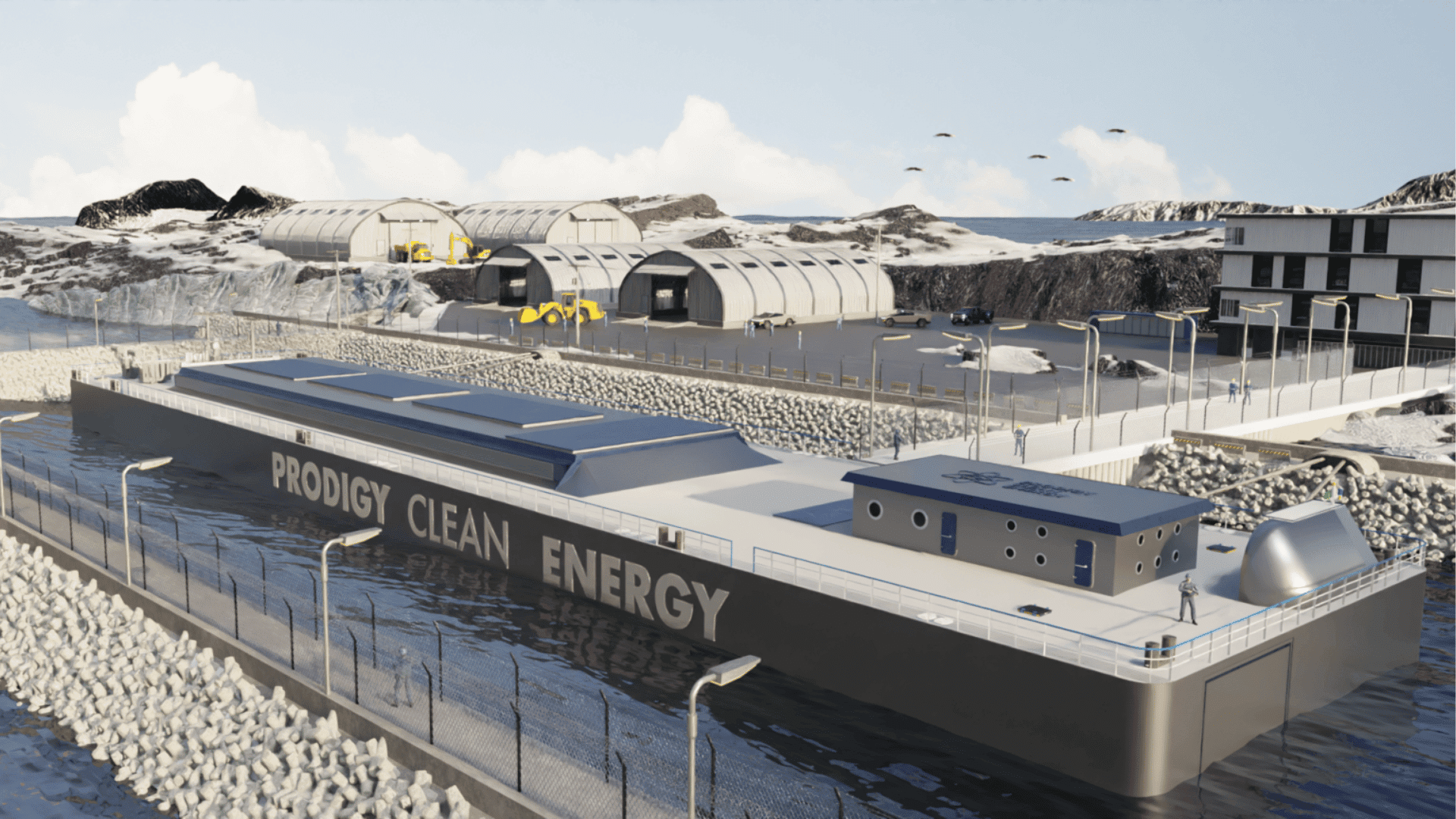
Prodigy Clean Energy, a Canadian company, has spent the last two years working on a fix. They recently finished a major research phase for their Transportable Nuclear Power Plant (TNPP). Instead of building a plant on-site, they plan to build the whole facility in a factory, ship it to where it’s needed, and set it up right at the shoreline.
This work was backed by a roughly $2 million (CAD$2,750,000) investment from the Government of Canada. The goal is to get these “plug-and-play” plants ready for off-grid areas that currently rely on diesel.
“To become a clean energy superpower, we need to deploy affordable, reliable, clean Canadian energy from coast to coast to coast –especially in rural, northern and remote regions, where there can be fewer options for families,” said Tim Hodgson, Minister of Energy and Natural Resources. “That is why our new government is proud to support projects like Prodigy’s Transportable Nuclear Power Plant.”
He continued, “By advancing promising Canadian technologies such as Prodigy’s, we are supporting economic growth in the North while strengthening Canada’s energy security.”
Advertisement
Overcoming the Ice and Cold
Beyond the short construction season in the Arctic, melting permafrost makes traditional foundations risky. Prodigy plans to solve this with maritime manufacturing. They package the reactor into a specialized structure that can be transported by sea. Once it arrives, it’s fixed into a protected enclosure at a harbor or on land.
According to Prodigy, this approach is a way to bring reliable power to Indigenous communities and support Arctic ports without a years-long construction project. Local Indigenous Rights Holders who were consulted noted that these portable plants disturb the land less and can be completely removed once they are no longer needed.
The company worked with experts like Kinectrics and Lloyd’s Register to test the design and map out how the Canadian supply chain, including Indigenous businesses, could help build these units.
“We are honored to receive support from the Government of Canada,” said Mathias Trojer, President and CEO, Prodigy Clean Energy. “Prodigy’s TNPPs are technological solutions that improve SMR build standardization, manufacturing and deployment efficiency, and geographical reach, they will become effective tools to increase Arctic energy security.”
“Early leadership in TNPPs has strengthened Canada’s global competitive edge in nuclear energy,” Trojer concluded.