Tomorrow.io just shared some big news about a project called DeepSky. They recently finished setting up their first group of satellites, and they aren’t slowing down anytime soon. DeepSky is their next step—a new network designed to watch the Earth’s atmosphere and oceans in real-time. The goal is to give us a clear, constant view of what is happening around the world.
We talk a lot about how smart AI is getting. It can predict weather much faster and more accurately than the computers we used even ten years ago. But AI is like a high-performance car; it needs the right fuel to run. In this case, that fuel is data. Right now, our weather data has some major gaps. We have satellites up there hovering, but many of them don’t pass over the same spot often enough. If a storm is moving fast, a satellite might miss the most critical moments. This data gap is the main thing holding back our weather forecasts today.
But here’s the problem with the current setup. Traditional weather satellites are often massive, expensive, and time-consuming to build. Because they cost so much, we can only afford to have a few of them in space at once. DeepSky changes that by using what they call a “proliferated” constellation.
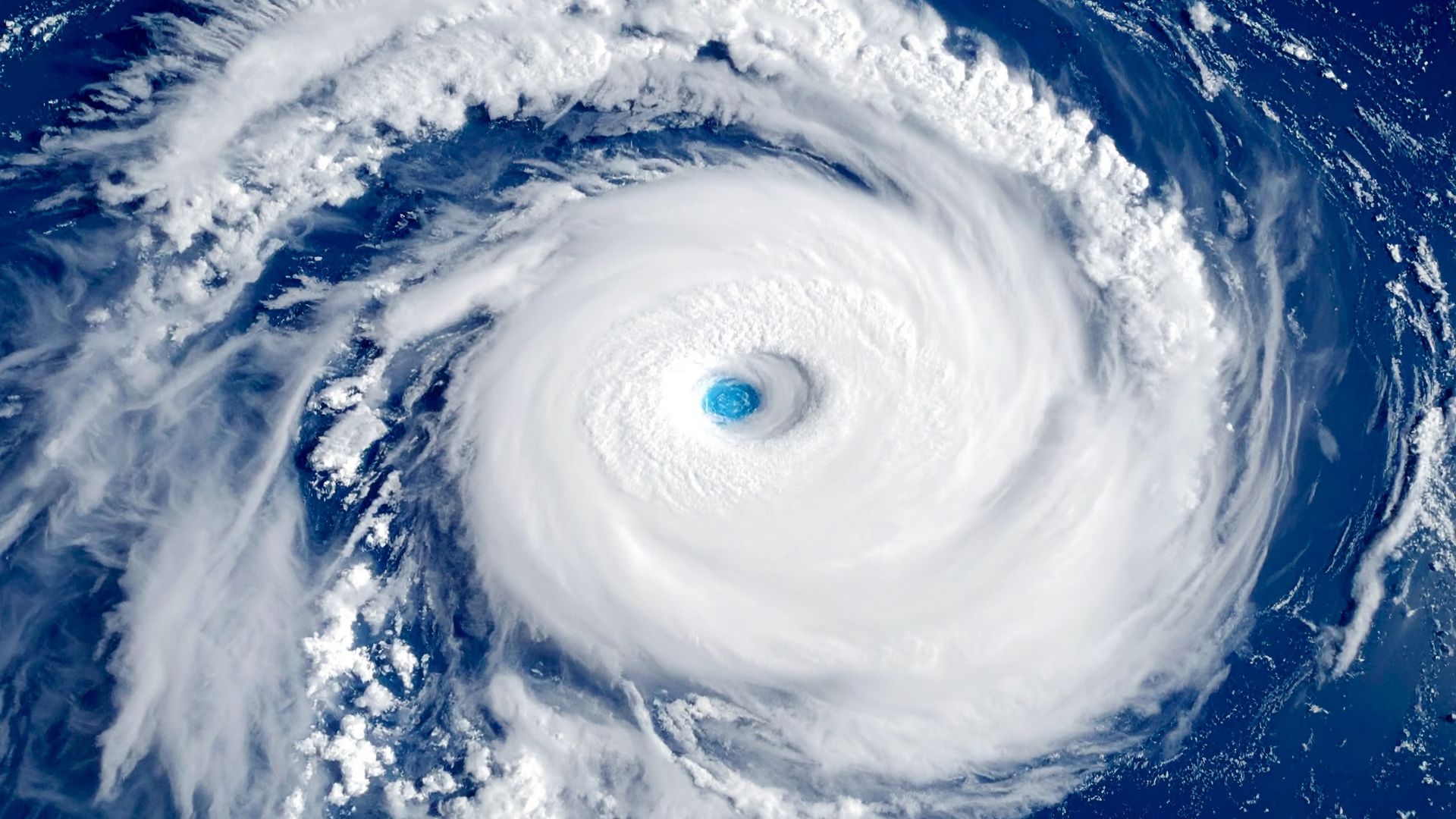
Instead of one or two giant satellites, DeepSky uses a whole bunch of smaller, competent ones in Low Earth Orbit. Every satellite in this network has multiple sensors. They track factors such as air moisture levels and ocean temperatures. Because there are so many of them working together, they can “revisit” the same area much more frequently. Instead of waiting hours for a new update, we get a fresh look at the weather almost constantly. It’s a bit like switching from a single still photo to a hyper-focused live video feed.
Advertisement
This isn’t just for scientists in labs. It’s for the people who run our daily lives. For example, companies like Amazon or BNSF Railway need to know exactly when a storm will hit a specific delivery route or train track. This tech helps create a localized, real-time picture of the weather, making it easier to predict events like hurricanes, snowstorms, and flash floods.
Tomorrow.io isn’t trying to replace the satellites the government already uses. Instead, they want to work alongside them to fill in the blanks. The project is rolling out in phases, and it’s a big step toward making the world a bit more predictable and a lot safer.
Learn more at Tomorrow.io.