When we think about metalsmithing, we might picture giant factories or heavy machinery. But some of the most complex metalwork happens on a scale so small you need a magnifying glass to see it. Jewelry making and metalsmithing are much more than just putting beads on a string. They are a delicate blend of chemistry, physics, and intense hands-on creativity.
The Chemistry of the Spark
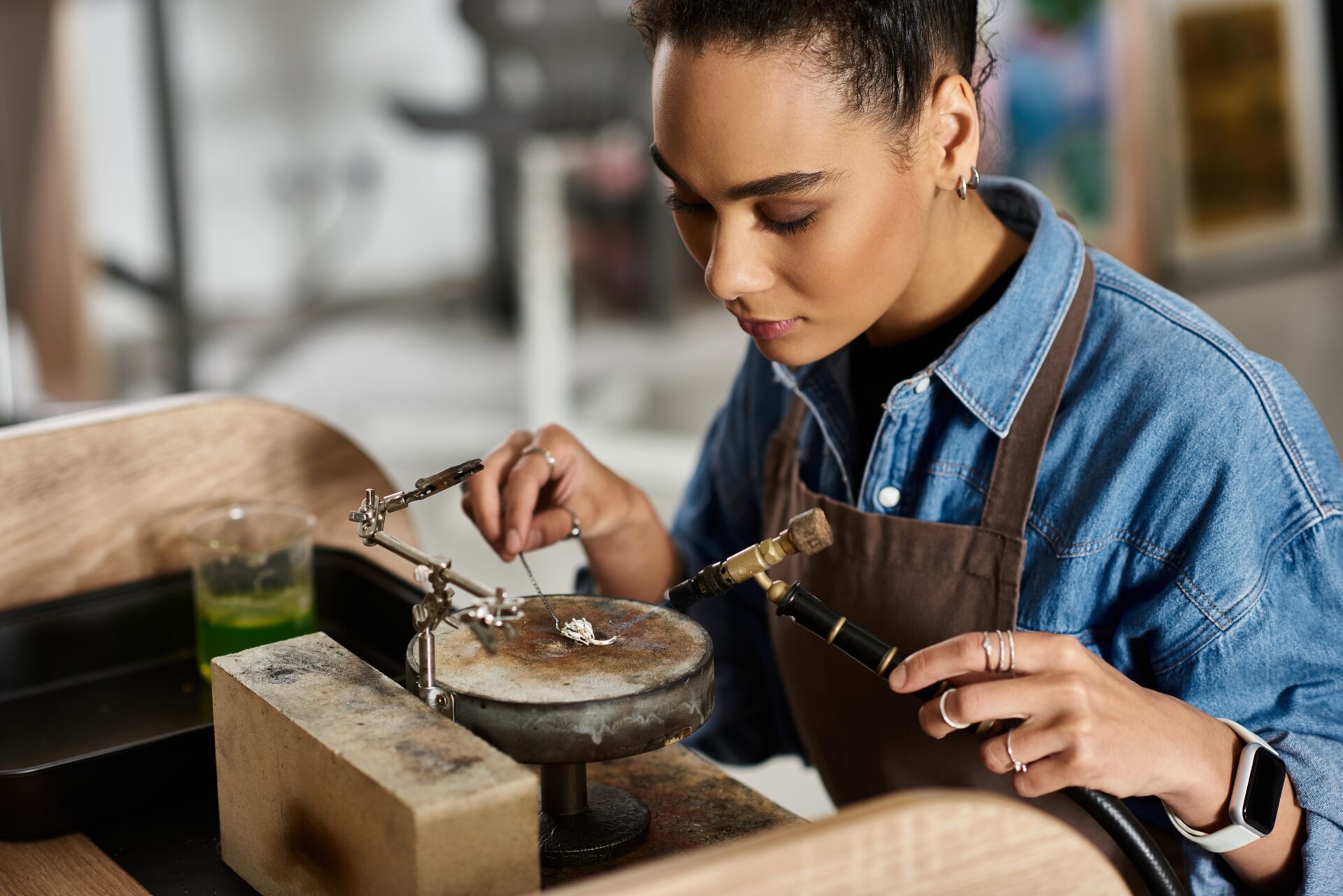
At its core, a jewelry studio is basically a miniature chemistry lab. One of the most common techniques is soldering. This is how you join two pieces of metal together using a torch and a small piece of alloy called solder.
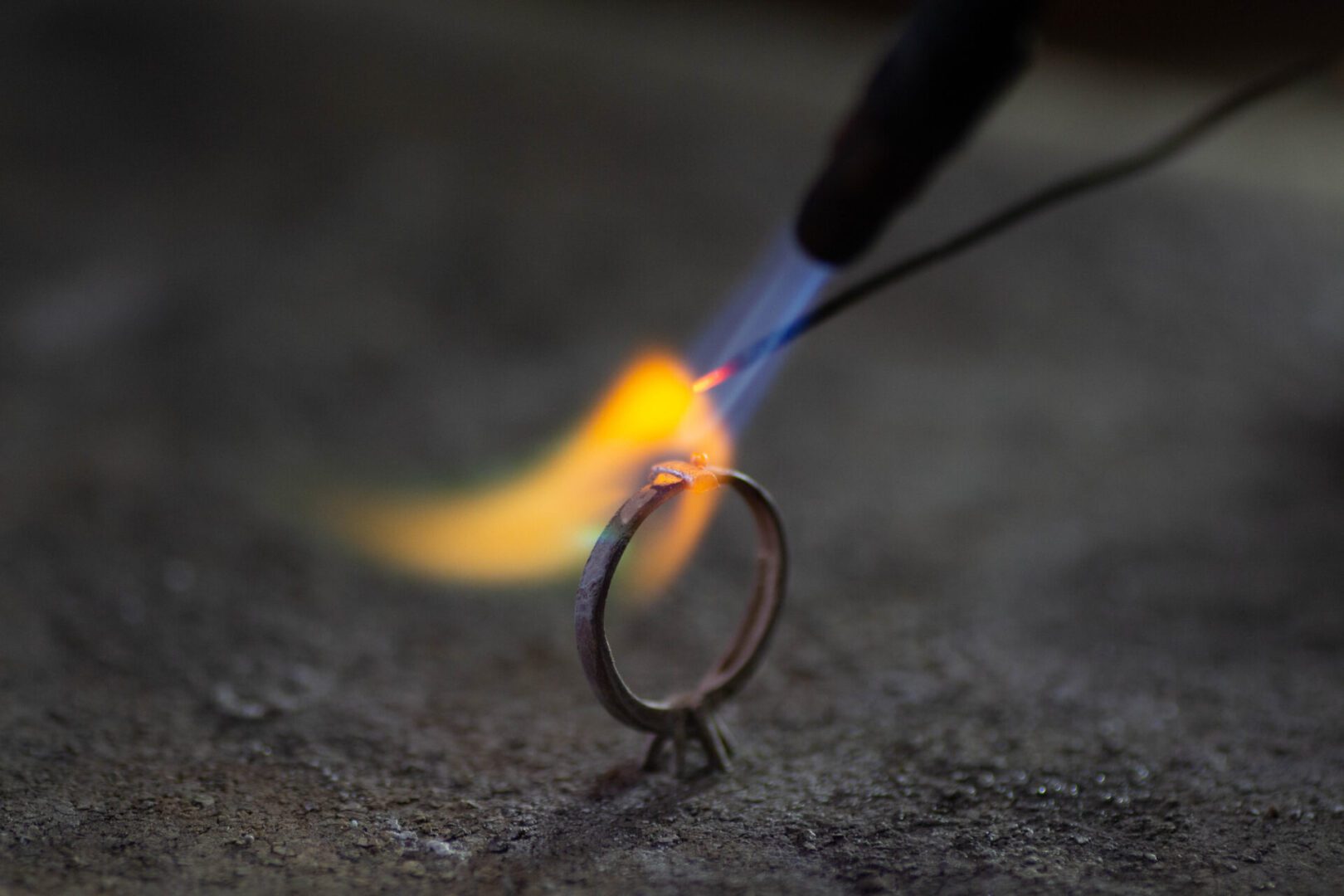
Solder has a lower melting point than the metals you are joining. If you get the metal too hot, you will melt your entire project. If it is too cold, the solder will not flow. To make this work, metalsmiths have to understand thermal conductivity. Silver transfers heat incredibly fast, so you have to heat the entire piece, not just the joint. It requires extreme focus and a steady hand.
Ancient Tech Still in Use
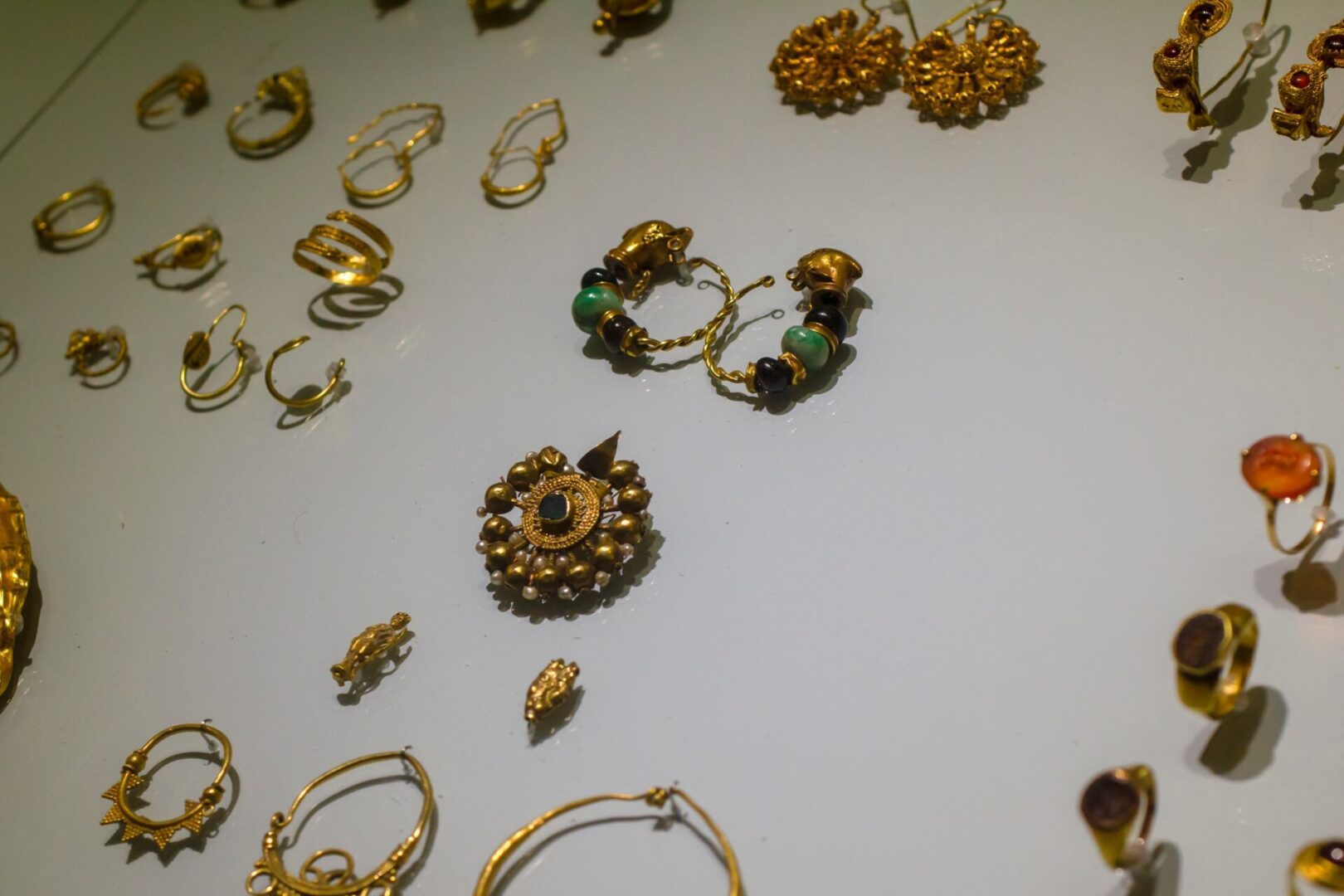
If you want to make a complex 3D ring, you will likely use a technique called lost-wax casting. This process is thousands of years old. In fact, archaeologists have found lost-wax artifacts dating back to 3700 BC.
Advertisement
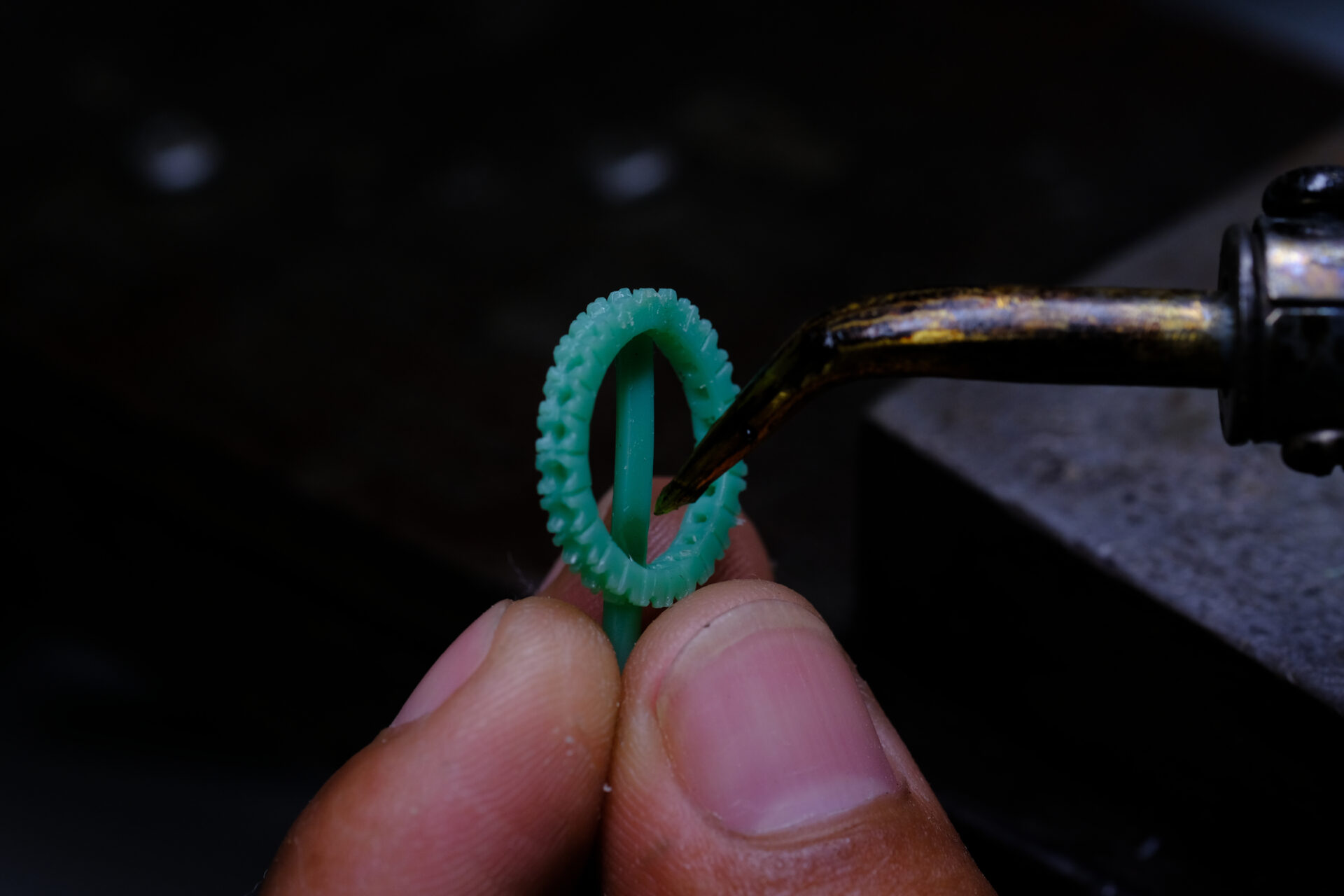
Today, artists carve a design into wax, encase it in a plaster-like mold, and burn the wax away. Then, they fling molten metal into the hollow space using a centrifugal casting machine. It is a wild mix of physics and art. You have to calculate the exact weight of the metal needed to fill the empty space, or the casting will fail.
Sculpting with a Hammer
Another incredible technique is repoussé. This involves using specialized hammers and punches to push sheet metal out from the back, creating a 3D design.
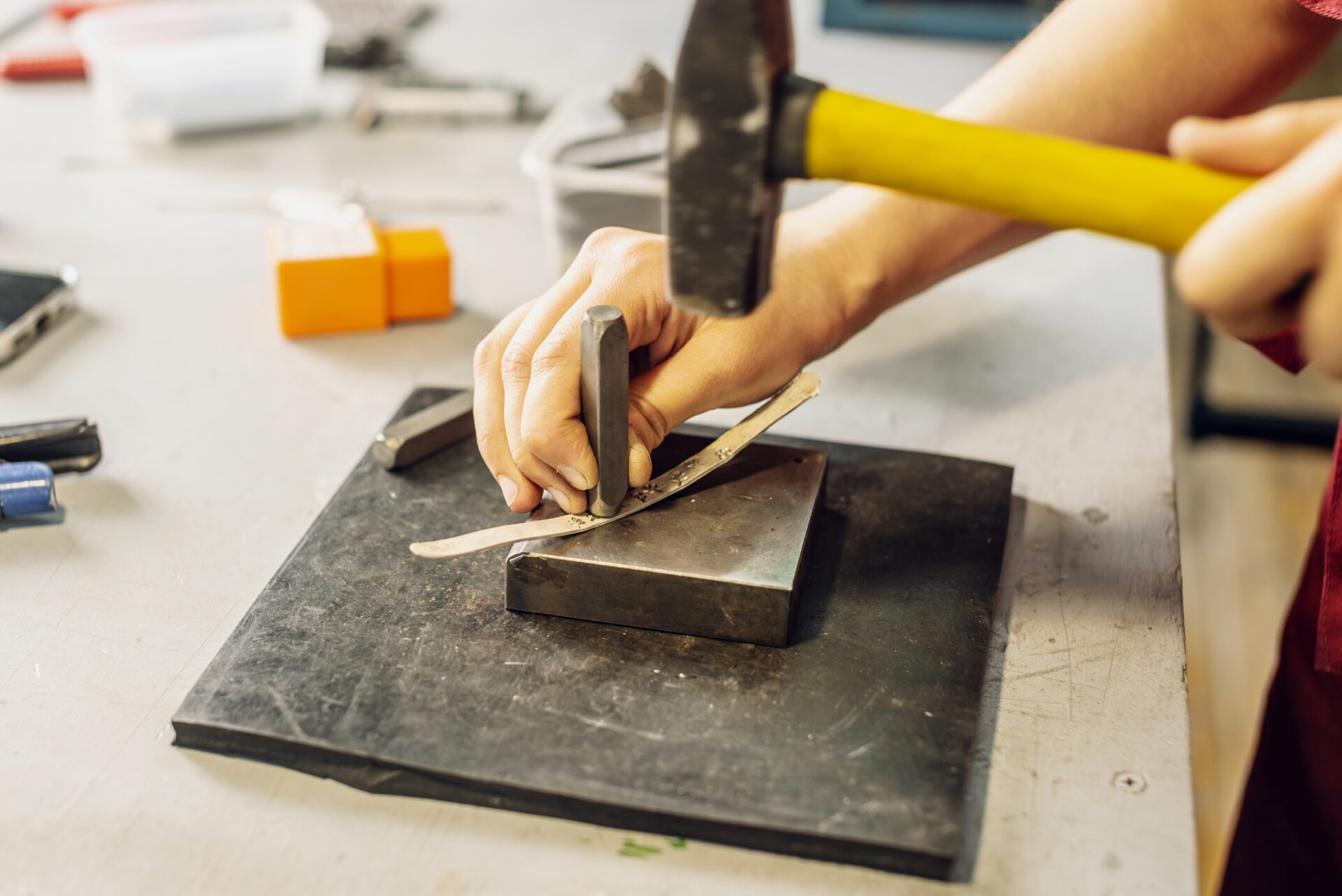
If this sounds familiar, it is because you have seen it on a giant scale. The Statue of Liberty was actually created using this exact technique. Sculptors hammered huge sheets of copper into shape from the inside out. When you practice repoussé on a small scale, you are doing the exact same structural engineering. You have to understand how metal stretches and hardens under stress, a process called work hardening.
Why It Fits Today
Jewelry making is a fantastic way to train your brain. It teaches you spatial reasoning, patience, and how materials behave under pressure. You do not need a massive factory to be an innovator. Sometimes, all it takes is a tiny workbench, a torch, and a raw piece of metal to turn a creative vision into a tangible reality.
 Read Exclusive Stories
 Bookmark & Save Articles For Later