Long before computers used binary code to process information, people used a simple binary system to create art. It comes down to two choices: grid threads go up, or grid threads go down.
The Pixel Art of the Ancient World
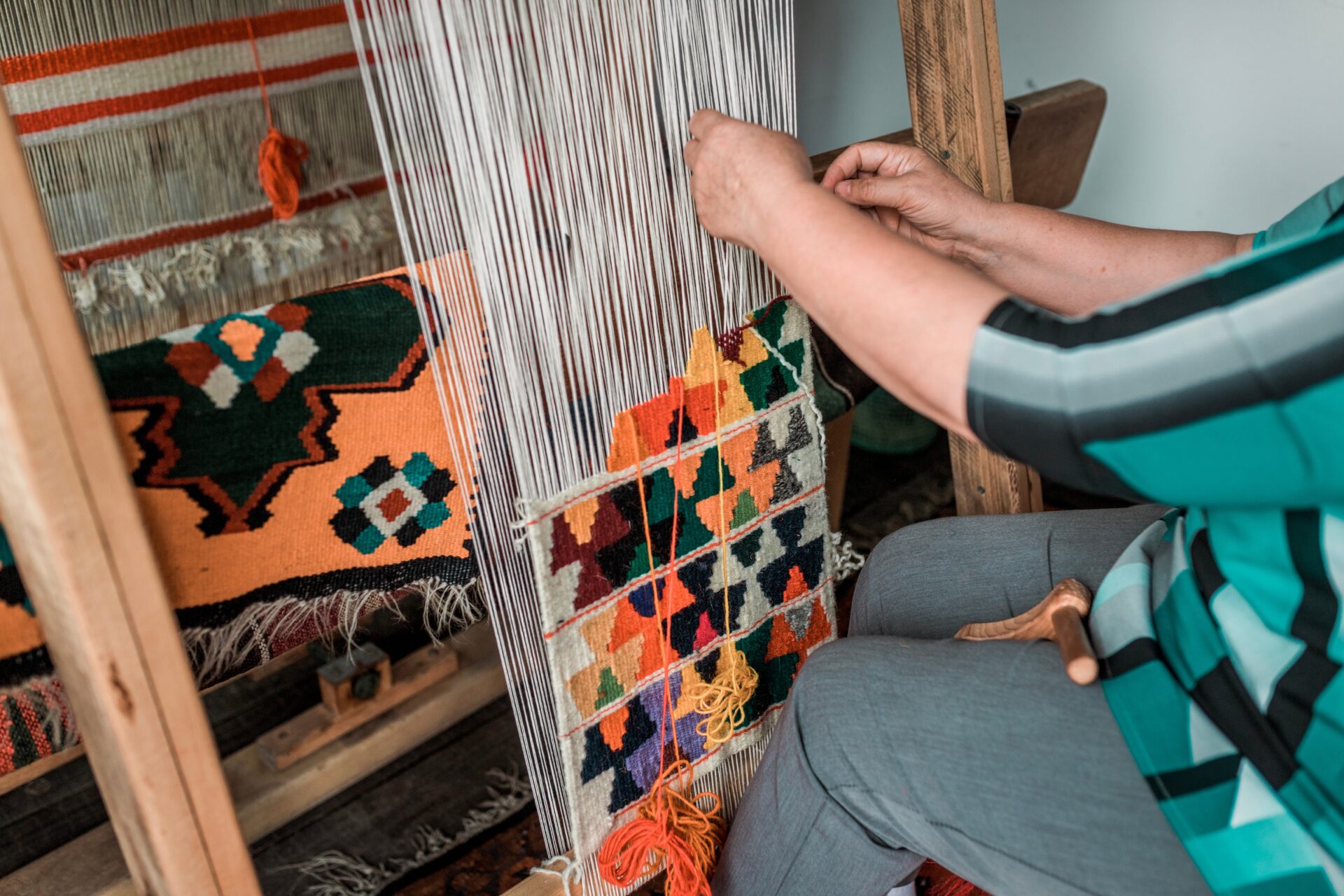
That basic idea powers tapestry weaving, one of our oldest textile crafts. Archeologists have found woven linen tapestry fragments in Egyptian tombs dating back over 3,300 years. Ancient weavers across Asia, South America, and Europe used thread to record stories, keep out drafts, and decorate blank walls.
Unlike regular cloth, where threads run straight from edge to edge, a tapestry is built section by section. You string vertical threads tight across a frame to build a strong skeleton, then pack horizontal colored yarn over and under those lines with a comb. Because you press the horizontal threads down so tightly, the underlying frame completely disappears from view. Instead of passing yarn all the way across the loom, you build small blocks of color side-by-side to construct your design from the ground up.
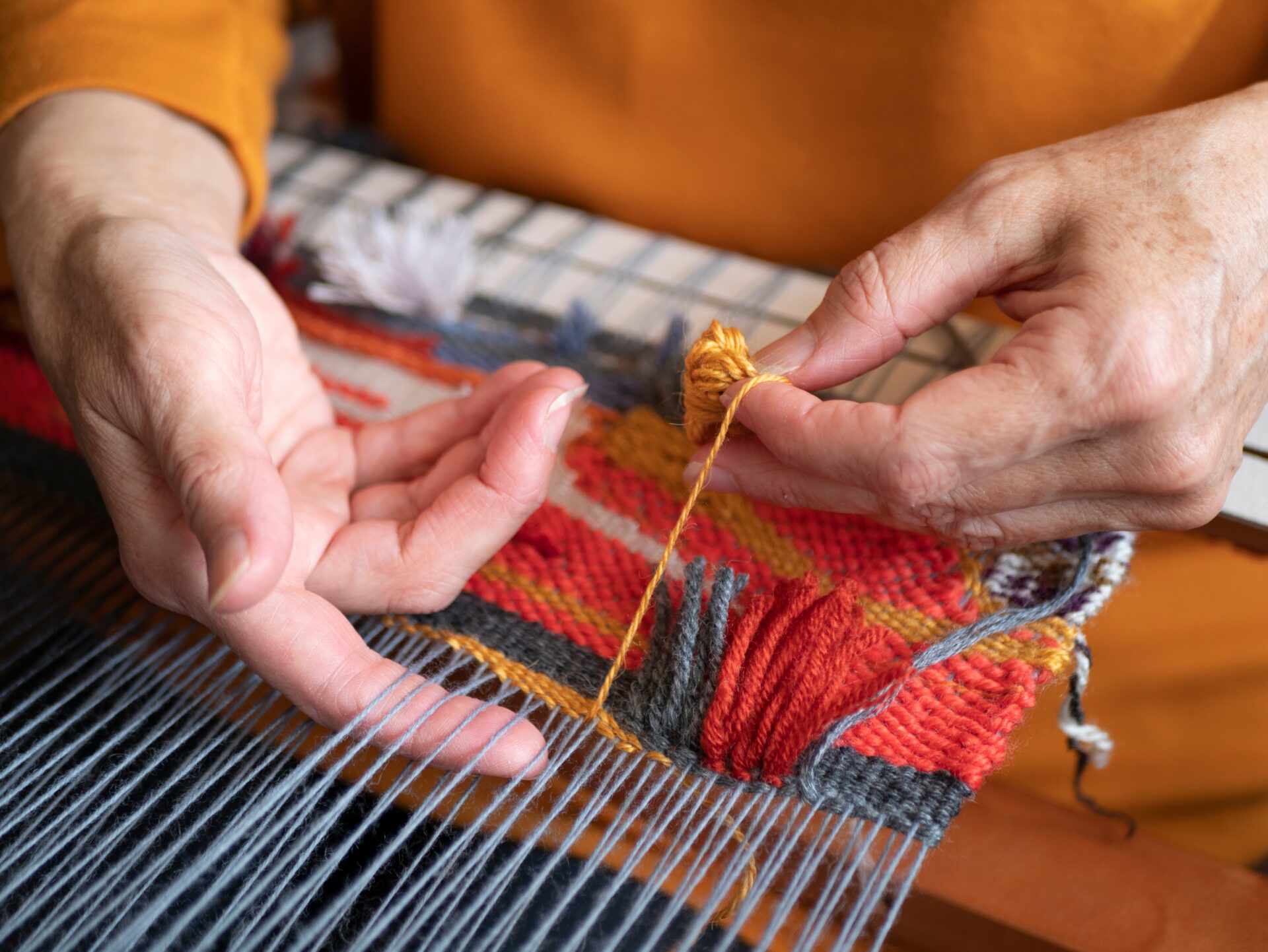
It acts just like pixels on a screen. All the colored spots fit together to form a bigger picture, making it the ultimate STEAM crossover between studio art and geometric structure.
The First Programmable Machine
Advertisement
Building giant wall tapestries by hand took forever. By the early 1800s, an inventor named Joseph-Marie Jacquard wanted a faster way. He built a mechanical loom that used punch cards with holes to automatically guide the threads. A hole meant a thread went up; no hole meant it stayed down.
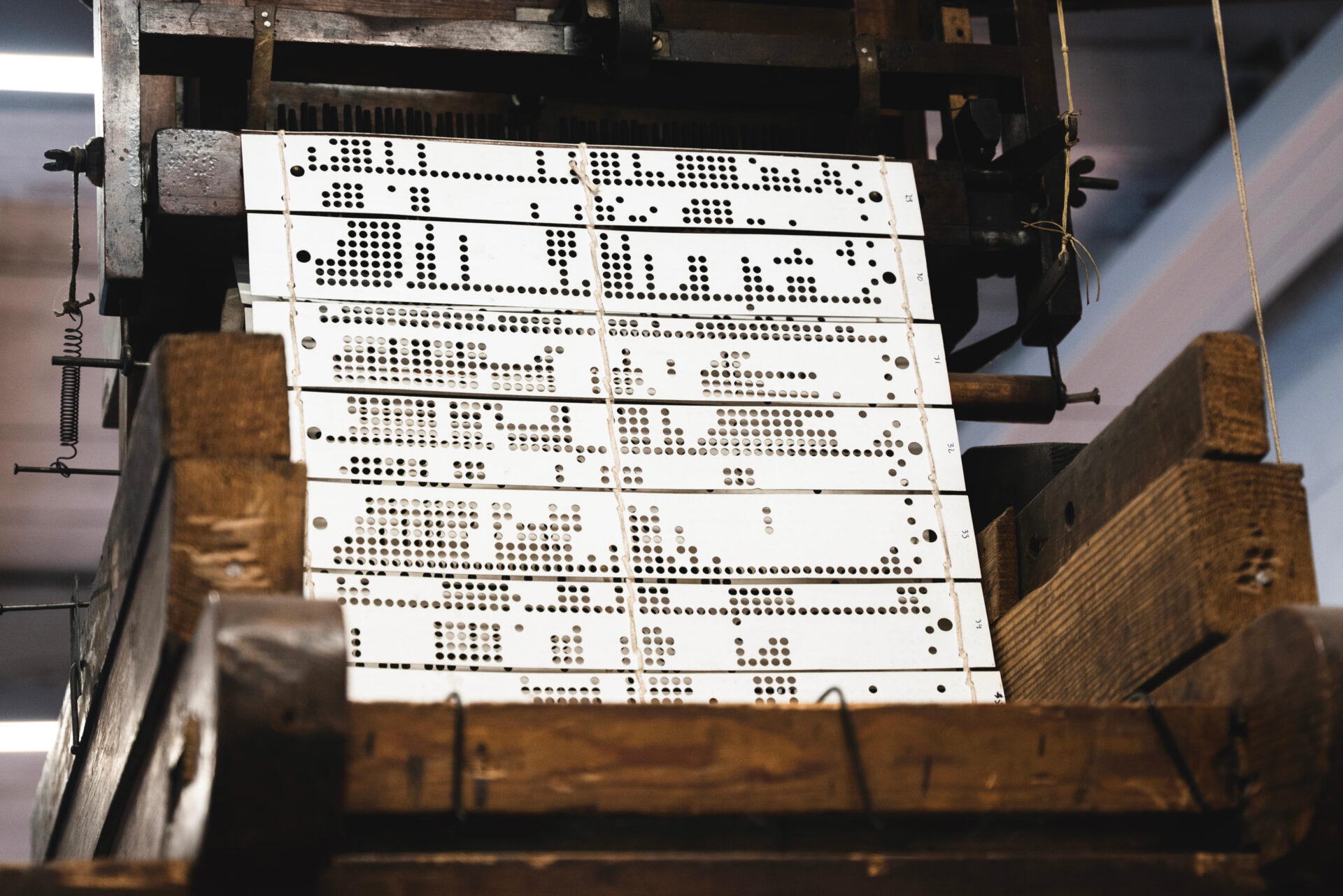
Those punch cards inspired early computer pioneers like Charles Babbage. The simple punch-card loom directly influenced how early software engineers programmed the first physical computers.
Crafting the Future
Today, weaving has moved way past wall art. Modern engineers use 3D digital looms to weave high-tech materials like carbon fiber.
Take a look at modern aerospace design. Jet engine fan blades and spacecraft heat shields face extreme forces. Traditional metal parts can crack or split along seams, but 3D-woven carbon composites interlock fibers in every direction. They are lighter than titanium, super strong, and do not split under pressure.
From ancient Egyptian linen to carbon-fiber rocket parts, tapestry weaving shows how simple ideas evolve. By crossing two threads over and under, a basic handcraft became the building block for modern computing and future space travel.
 Read Exclusive Stories
 Bookmark & Save Articles For Later