A rectangular stone that was used as part of a foundation for an old barn in a Czech garden turned out to be half of a rare Bronze Age mold used for making spearheads.
Bronze Age Spearhead
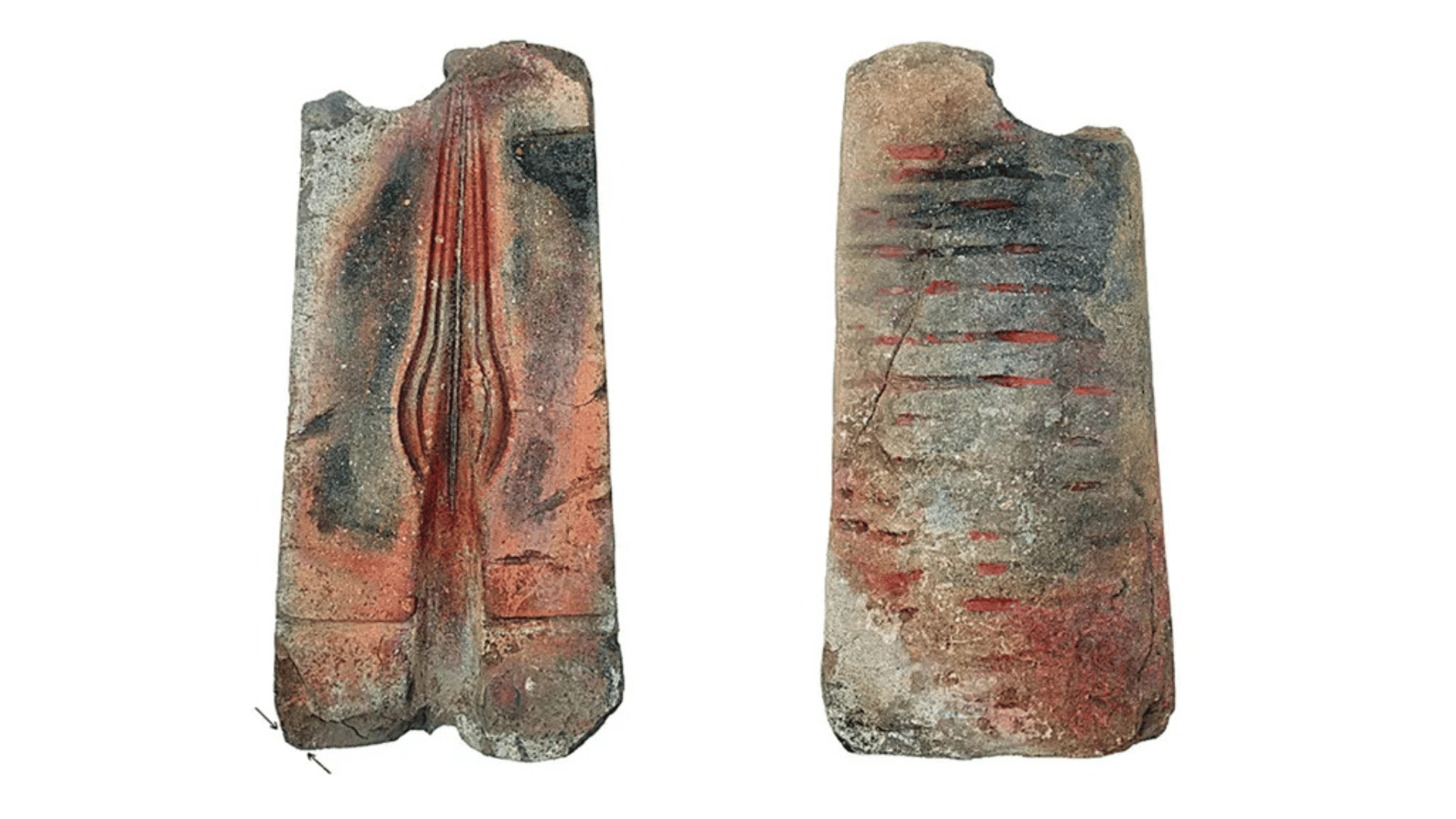
The ancient mold, which measures around 9 inches long, dates to the Late Bronze Age or around 1350 B.C. The 2.4-pound object is carved into a volcanic rock called rhyolite tuff.
“This is the best preserved and most perfect casting mold for a bronze spearhead in Central Europe,” study first author Milan Salaš, an archaeologist at the Moravian Museum in the Czech Republic, told Live Science. “Based on the shape of the spearhead and the type of raw material used … the mold was imported to southern Moravia from northern Hungary.”
Salas and colleagues wrote in their analysis that these types of molds were used to cast metal tools and weapons with greater uniformity, including axes, daggers, and spearheads.
Advertisement
“These types of spearheads, characterized by ribs along the blade and a sharp ridge on the socket, are common in the Carpathian region,” Salaš told Radio Prague International, the official international broadcasting station of the Czech Republic. “It was essentially [a] serial production. As we can see, the mould was used very intensively. Possibly dozens of spearheads were cast from it.”
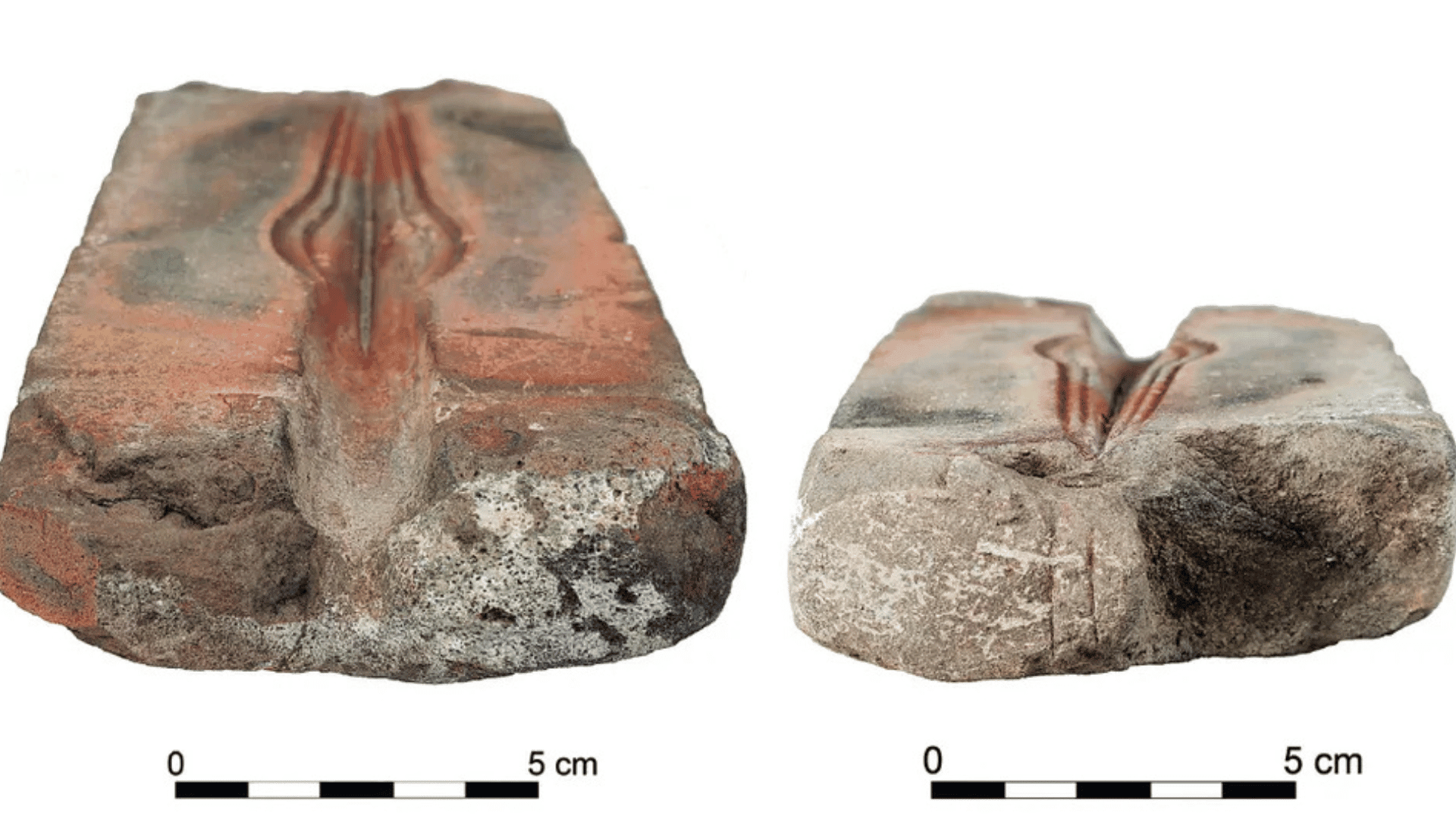
The stone was first discovered by homeowner J. Tomanec in 2007, who gave the stone to the Moravian Museum in 2019. It was then examined using X-ray fluorescence scans to determine its elemental composition.
“It was proven that bronze was cast in the mold and that both halves of the mold were held together with copper wire,” Salaš told Live Science.
The origins of the object were also traced with the help of X-ray diffraction, a process that determines the atomic structure of certain crystalline solids. This technique showed that the mold was made from rhyolite tuff, which is commonly found in the Bükk Mountains in Hungary or around the nearby city of Salgótarján.
The study was published in the journal Archeologické Rozhledy.