Look at your phone right now. You probably see a digital clock showing the exact time down to the minute. It feels effortless. But long before microchips and lithium batteries, people tracked time using nothing more than metal, springs, and gravity.
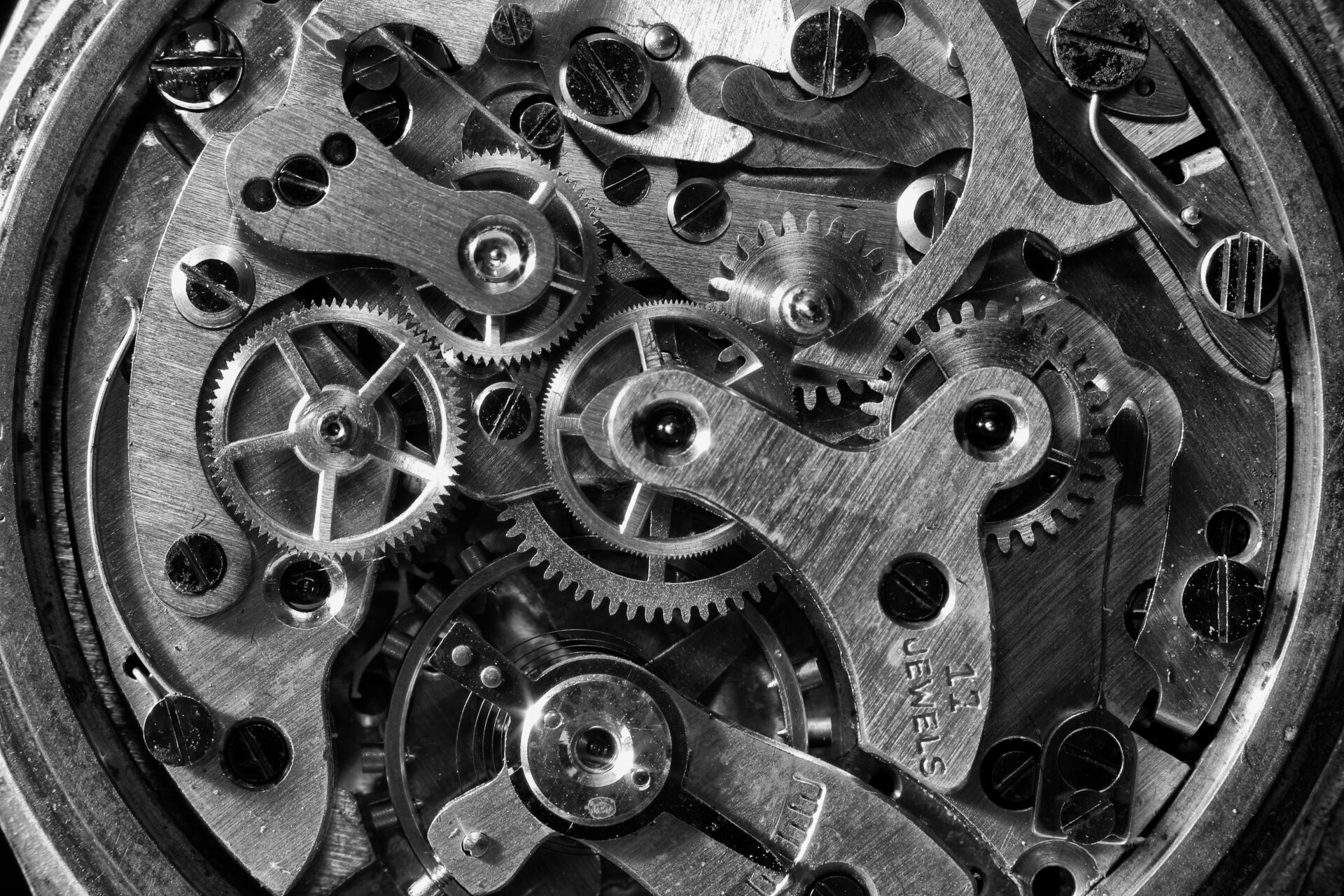
Mechanical clockmaking is one of the oldest forms of precision engineering. It turns out that building a machine that tracks time by hand takes a wild amount of patience and skill.
The Brain of the Clock
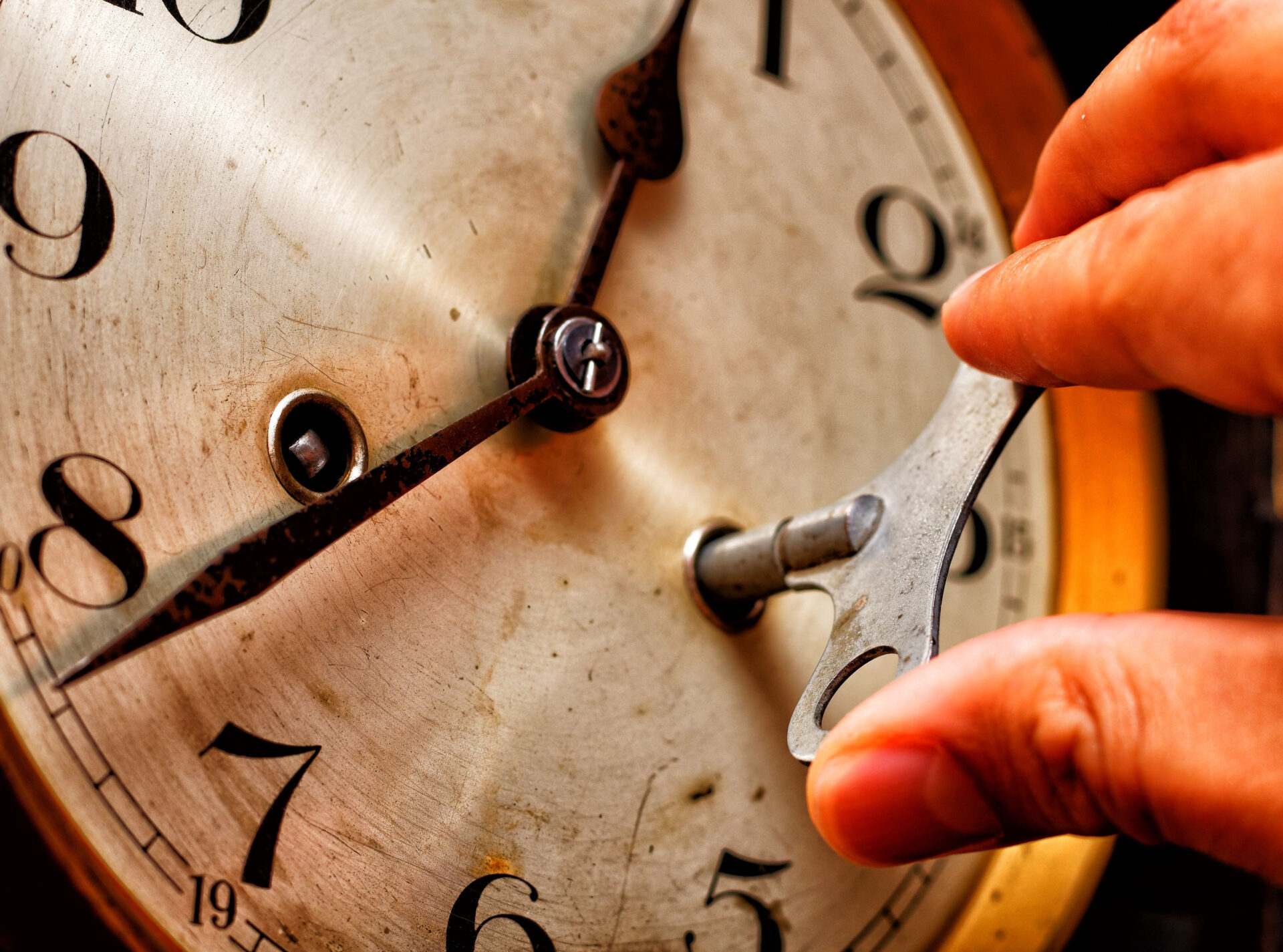
At its core, a mechanical clock is just a machine that stores energy and releases it very slowly.
When you wind a clock, you tighten a spring or lift a heavy weight. If you let that weight fall freely, it hits the floor in 2 seconds. That doesn’t help you measure an hour. So, clockmakers needed a way to slow that energy down and chop it into equal, tiny bits.
Enter the escapement mechanism.
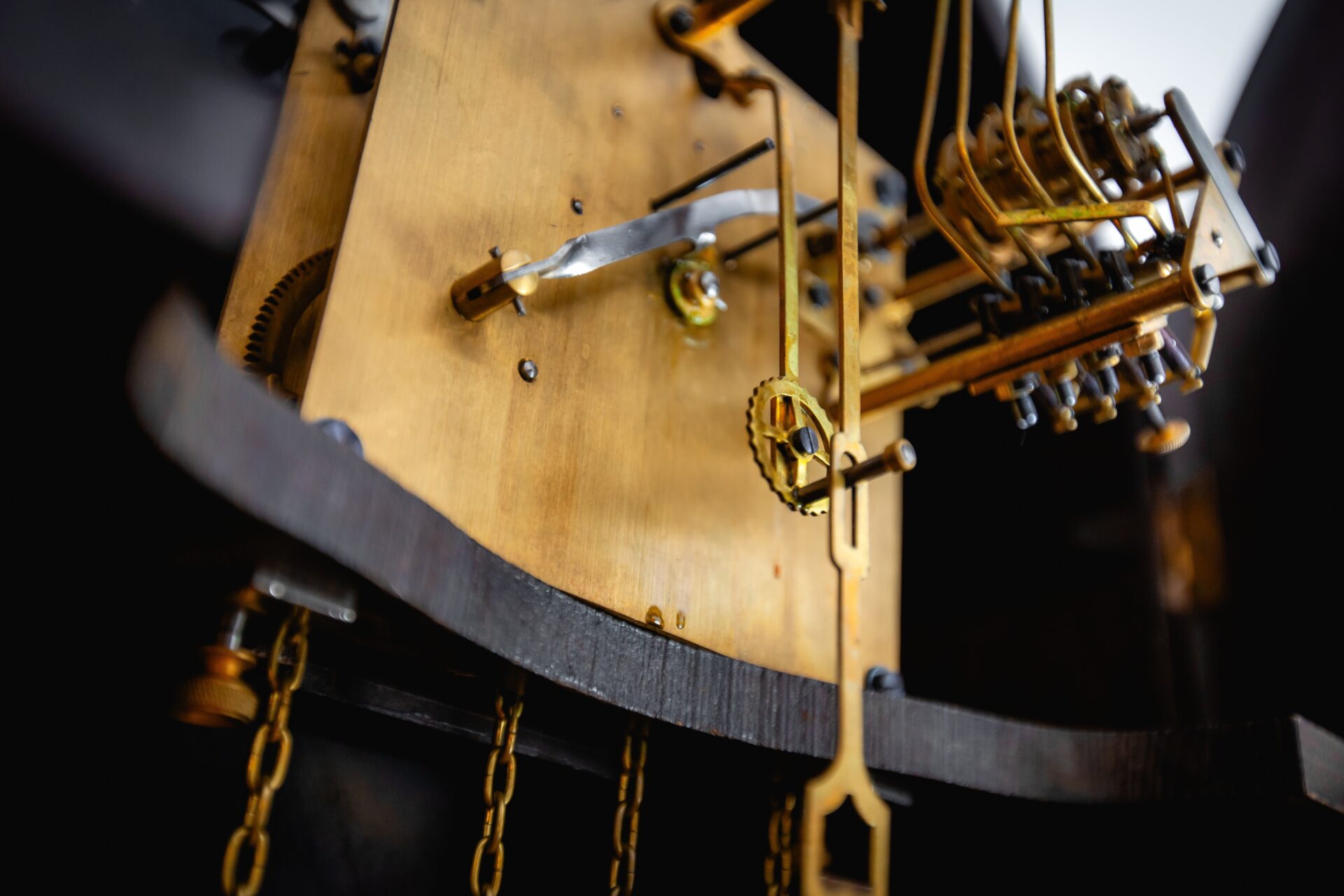
The escapement is the heart of any mechanical timepiece. It uses a swinging pendulum or a tiny wheel to catch and release a gear at fixed intervals. Every time the pendulum swings, a little tooth on the gear slips past a latch. That movement makes the classic tick-tock sound you hear. Without this trick, the clock would just unwind all at once.

Precision Down to the Millimeter
Advertisement
To make a clock accurate, every gear inside must work in total harmony. A standard clock has a whole series of gears called the wheel train.
Each gear has a specific number of teeth. The main gear turns slowly, but as it meshes with smaller gears, the speed increases. One gear drives the hour hand, another drives the minute hand, and a smaller one moves the second hand.
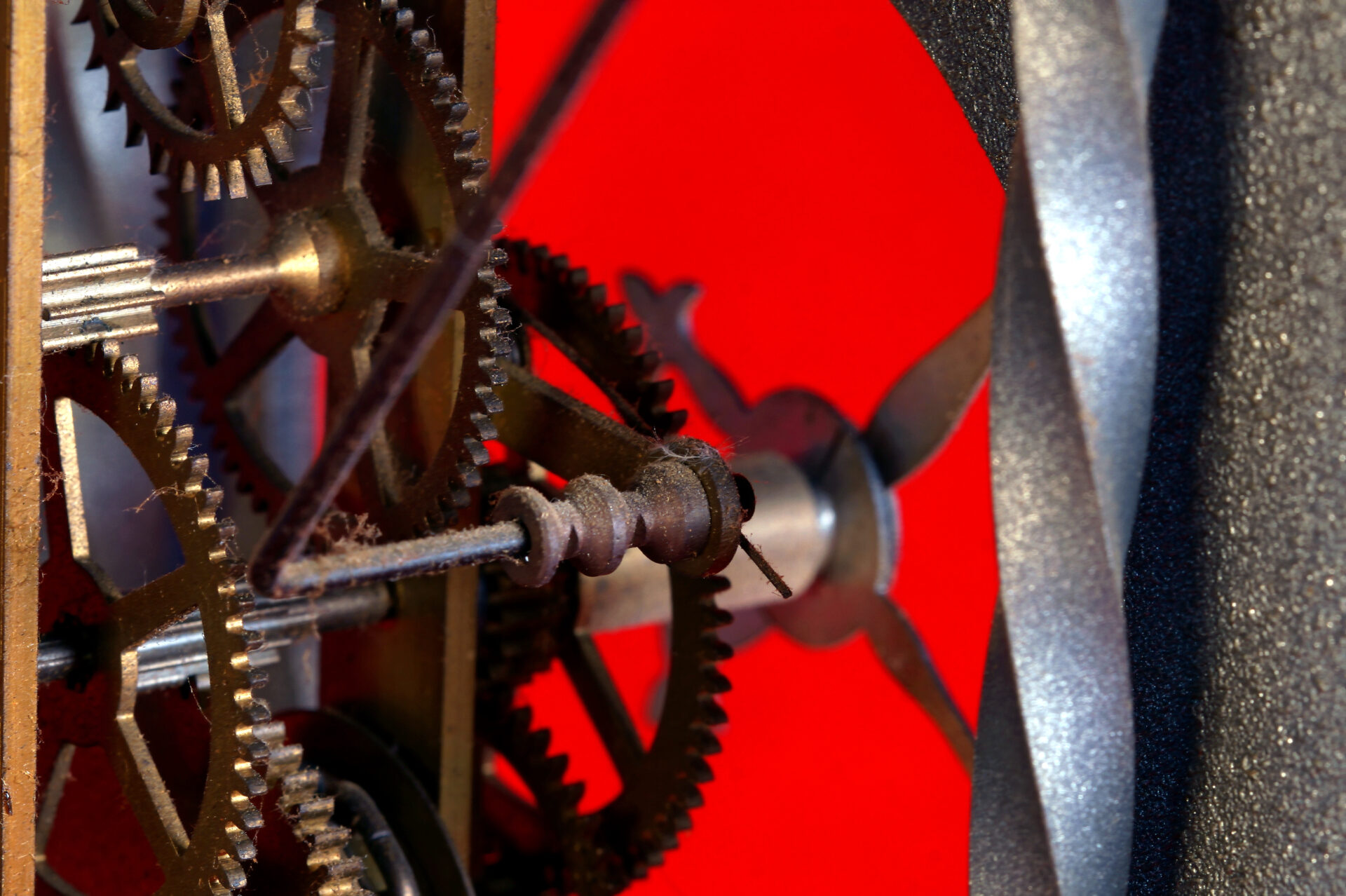
If a single gear tooth is off by a fraction of a millimeter, the clock loses time. Over a few days, a tiny mistake adds up to a clock that is five minutes late.
Clockmakers spend hours using tiny files, lathes, and magnifying glasses to shape each gear. They polish the metal pivots to reduce friction. In fact, friction is a clockmaker’s biggest enemy. Even a speck of dust or dried oil can bring the whole system to a complete stop.
Why Old Tech Still Matters
We don’t need mechanical clocks to tell time anymore. Atomic clocks and satellites do a much better job.
Yet, traditional clockmaking isn’t dead. It actually laid the groundwork for modern manufacturing and robotics. The same ideas used to measure hours centuries ago—like gear ratios, force distribution, and precision machining—built the foundation for automated factories today.
Plus, there is something special about a device that runs purely on mechanics. A good grandfather clock can run for hundreds of years without a software update or a battery swap. It just needs a little oil, a gentle touch, and a human hand to wind the weight back up.
 Read Exclusive Stories
 Bookmark & Save Articles For Later