In the 1890s, two forms of electricity competed for control. Thomas Edison backed direct current, or DC. George Westinghouse and Nikola Tesla backed alternating current, or AC.
DC, however, kinda had a problem in that it couldn’t travel very far, literally only a mile or so. So every neighborhood needed its own power station. AC could be stepped up to high voltage for long trips. Then it could be stepped back down for use.

Niagara Picks a Side
The Niagara Falls Power Company had a giant waterfall and a big money problem. The power was in Niagara Falls. Lots of buyers were in Buffalo, New York. Only AC could bridge that gap.
So the company went with Westinghouse. Its Adams plant began operating on August 26, 1895, and initially served nearby industries. Then, on November 16, 1896, it sent around 11,000 volts about 20 miles to Buffalo.
How Much Power Got Lost?
That was the scary part. Engineers in 1896 guessed the line would lose less than 10 percent of its energy. They planned to test it day and night and in rain and sun. They knew the whole project rode on quality insulation.
Advertisement
It worked. The IEEE calls the Adams plant a key victory for AC over DC. By May 1900, it had all ten of its 5,000-horsepower generators running.
Was It Really the First?
Not quite, and that’s worth noting. In July 1895, Folsom, California, sent hydropower about 22 miles to Sacramento. Niagara’s real first was size, because no plant had worked on this scale before.
The Grid in Your Wall
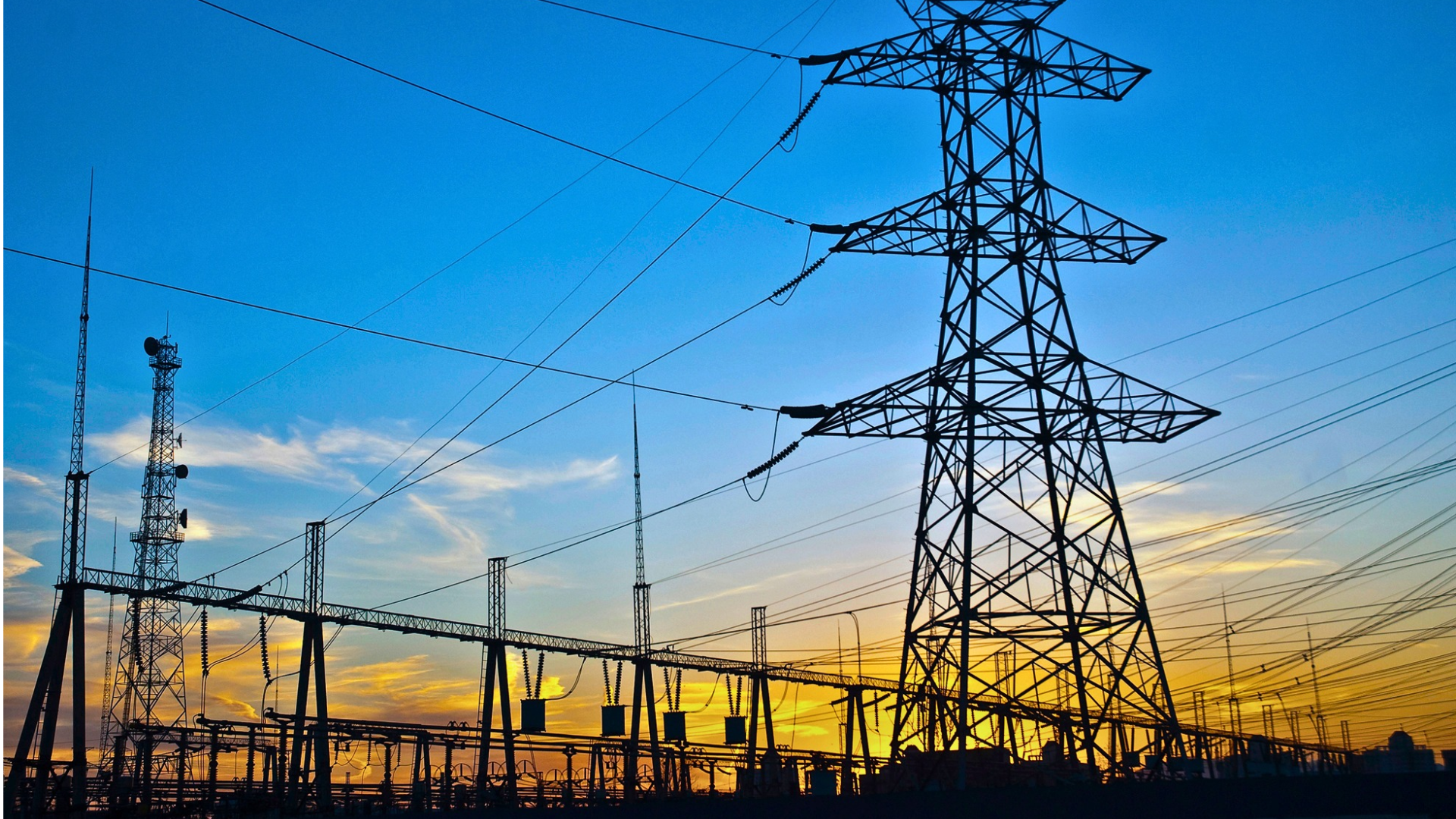
Look at any outlet in your home or office. The power came from far away, probably over high-voltage lines. That setup traces back to Niagara. One big plant with long wires and a ton of of customers.
Today, the push is to fill that grid with clean power. Niagara already did that in 1896. Water fell, turbines spun, and a city ran on it. Not a bad blueprint for energy in 2026 and beyond!
 Read Exclusive Stories
 Bookmark & Save Articles For Later