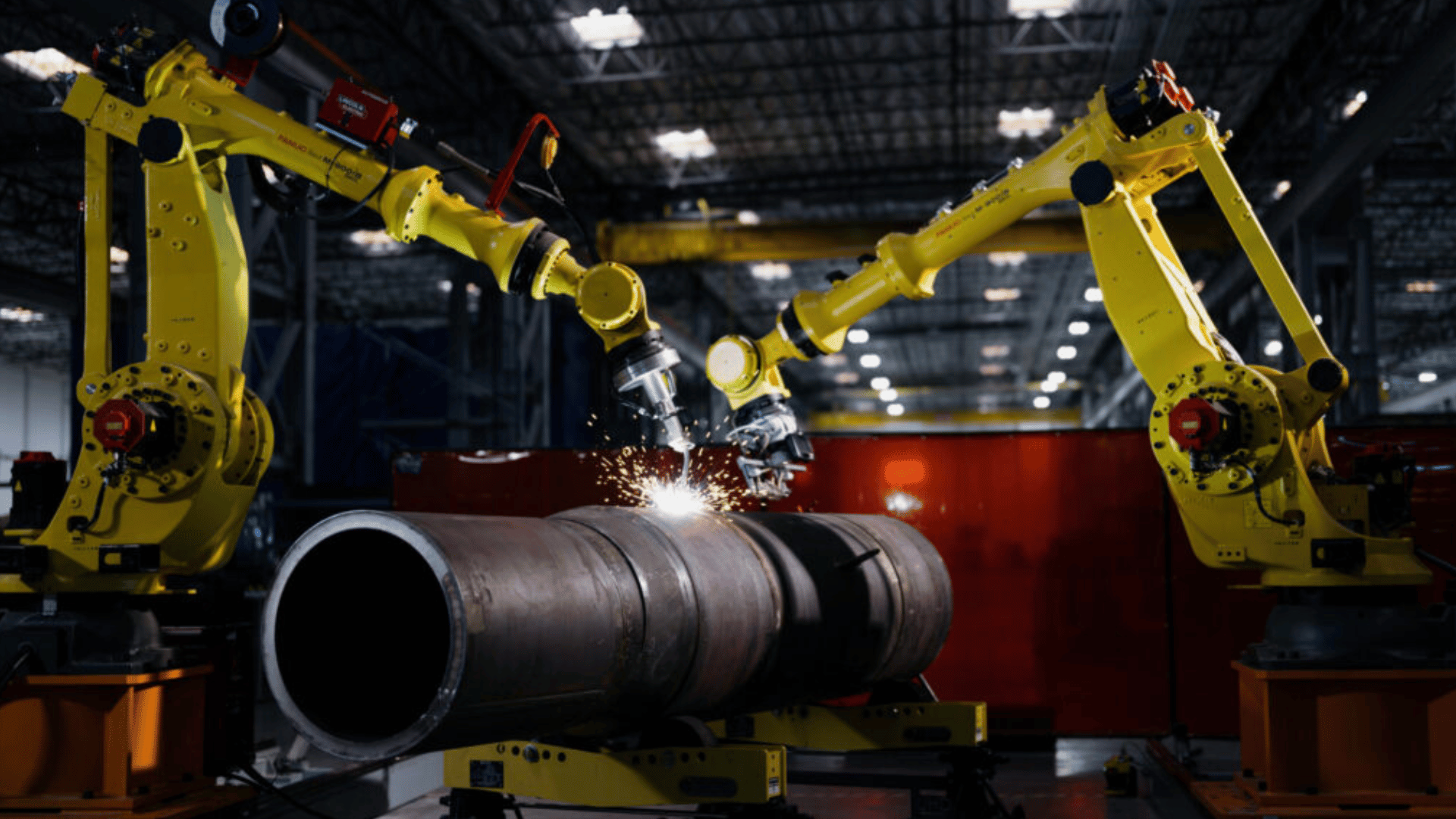
According to a new study from the University of Bonn, smart tools like drones, weeding robots, and automated irrigation systems are paying off on 42% of global farmland.
Researchers say that number could jump to 50% over the next two decades. Moreover, if governments everywhere decide to tighten environmental rules, it could even reach 75%. But if global regulations loosen, adoption might drop to 31%.
The researchers published their findings in the journal PNAS after creating a map that shows where precision agriculture actually works for a farmer’s bottom line.
High-Tech Farming Pays Off
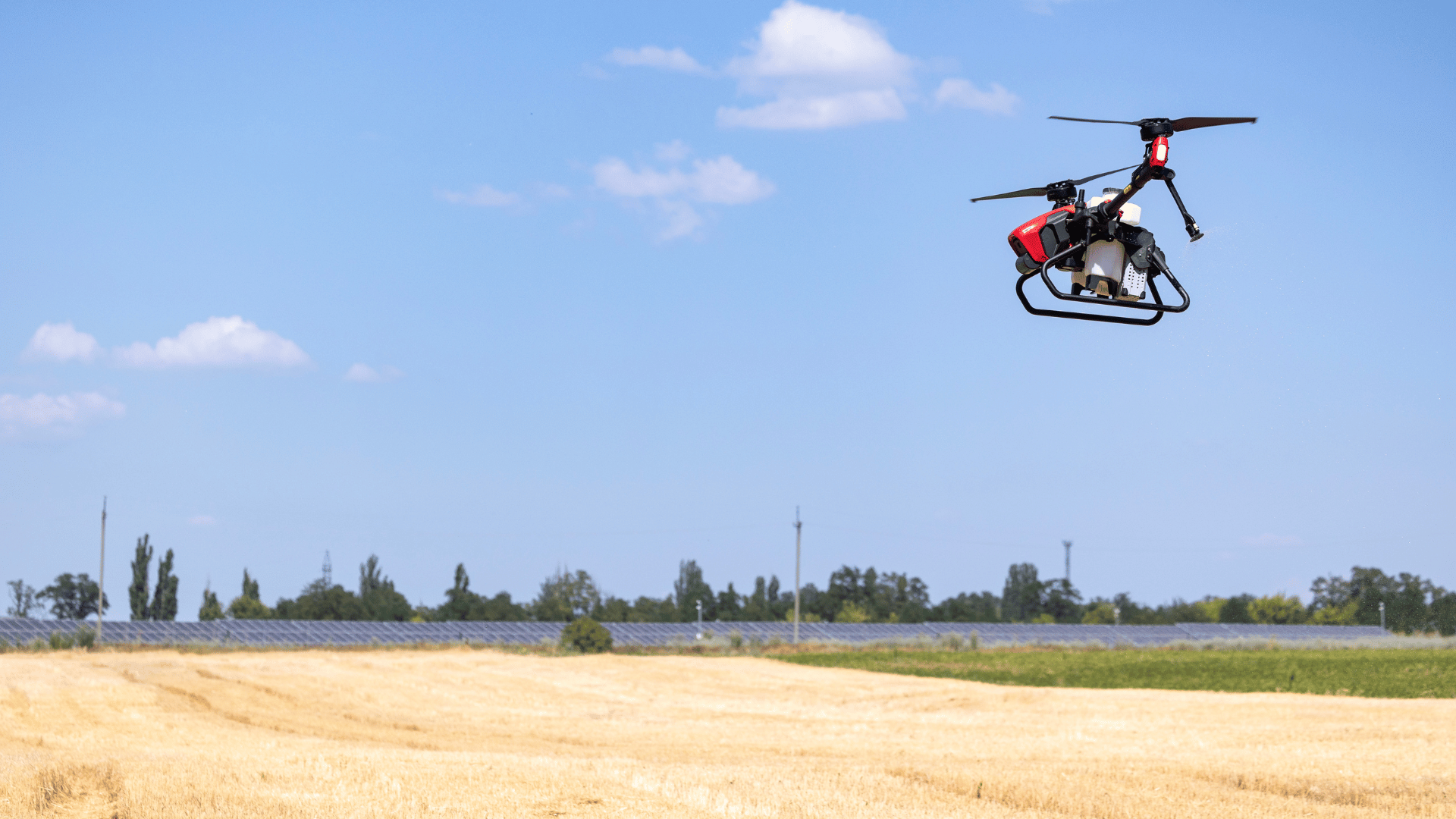
The economic benefit is highest in places with larger fields, higher income levels, and stricter environmental laws. That said, farms in Western Europe, Canada, the U.S., and Australia are leading the way. Farmers in these areas use various fertilizers and pesticides, so targeted spraying saves money. High labor costs also make buying machines a smart move.
“These smart farming technologies have the potential to make crop farming more sustainable and environmentally friendly,” explained Professor David Wuepper from the University of Bonn.
Advertisement
However, high setup costs and steep learning curves mean high-tech tools do not make sense for every farmer right now. “So we wanted to know where precision agriculture is particularly worthwhile in economic terms,” said Shahrear Roman, a doctoral student in Wuepper’s research group.
To determine that, the team contacted over 8,000 global experts and reviewed scientific literature, finding more than 4,000 locations using smart farming. They used computer models to analyze the data and look ahead.
“We found that smart farming already pays off where environmental governance is strongest. It is by far the most important predictor in our models,” Roman said.
Small Farms and Future Potential
Right now, tech adoption remains low in places like sub-Saharan Africa. “This is partly because the available technologies are poorly suited to small-scale agriculture,” Wuepper added. He notes that equipment is usually designed for large operations in North America and Europe, so future research should focus more on small farms.
Interestingly, smart tools often deliver the most help where environmental challenges, such as water shortages, are most severe.
“Ecological and economic benefits often go hand in hand,” Wuepper explained. “But they do not arrive on their own: without policy, most of the environmental gain stays on the table.”
 Read Exclusive Stories
 Bookmark & Save Articles For Later