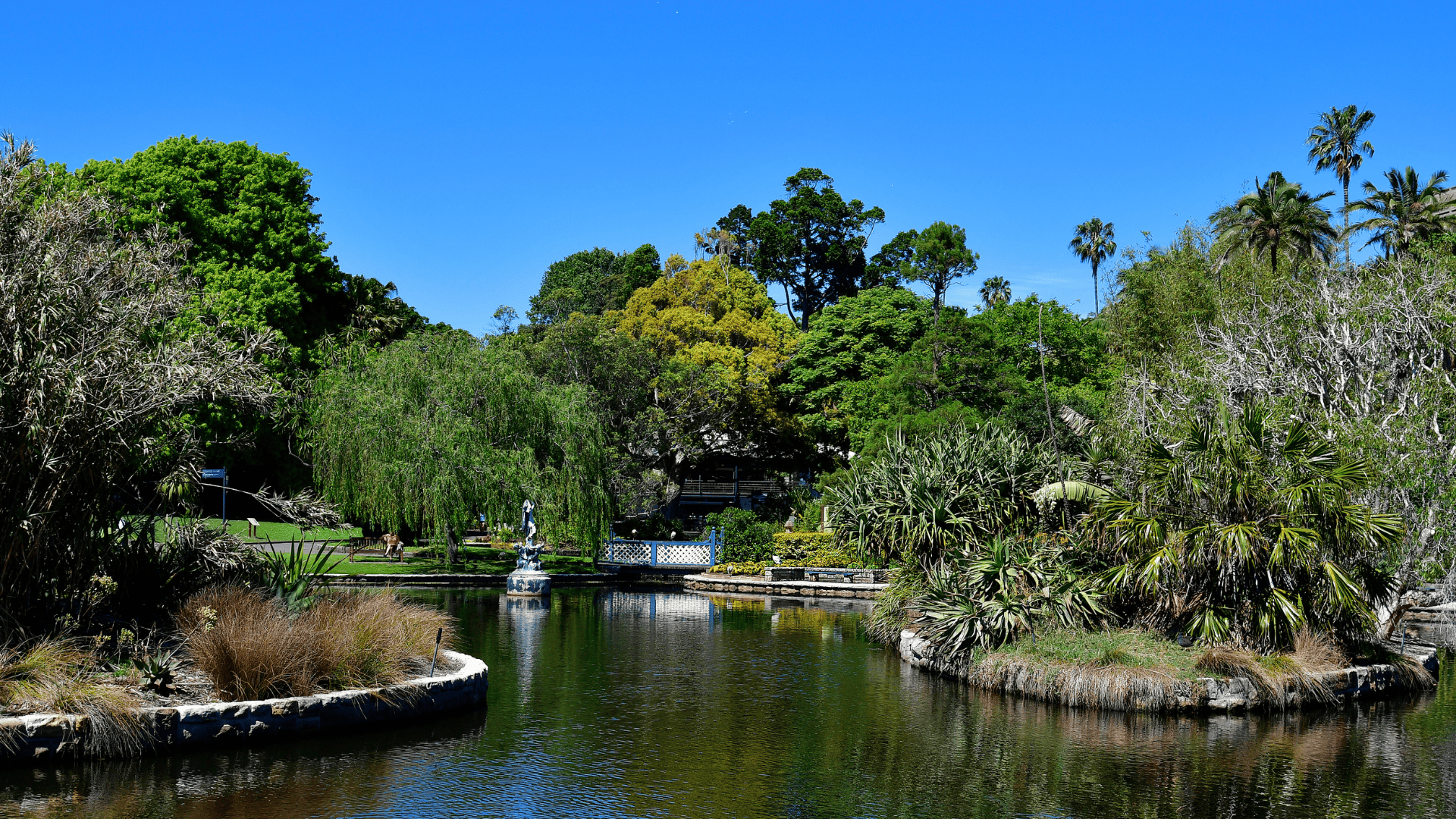
If you walk around the edge of Sydney Harbor, you will hit a giant patch of green right next to the water. This is the Royal Botanic Garden Sydney. It is not out in the country. It sits right in the middle of a major global city. But it contains thousands of plant species from around the world.
A History Of Survival
This is the oldest scientific institution in Australia. It started back in 1816. The original goal was simply to figure out which crops could actually grow in the local soil. It was tough early on. The soil here was poor, and many early farming attempts failed.
But over time, botanists figured out how to condition the land. Now, it is a 74-acre sanctuary for both native Australian plants and tropical species from overseas. It went from a struggling farm to a massive living museum right on the edge of the harbor.
Mixing Nature And Architecture
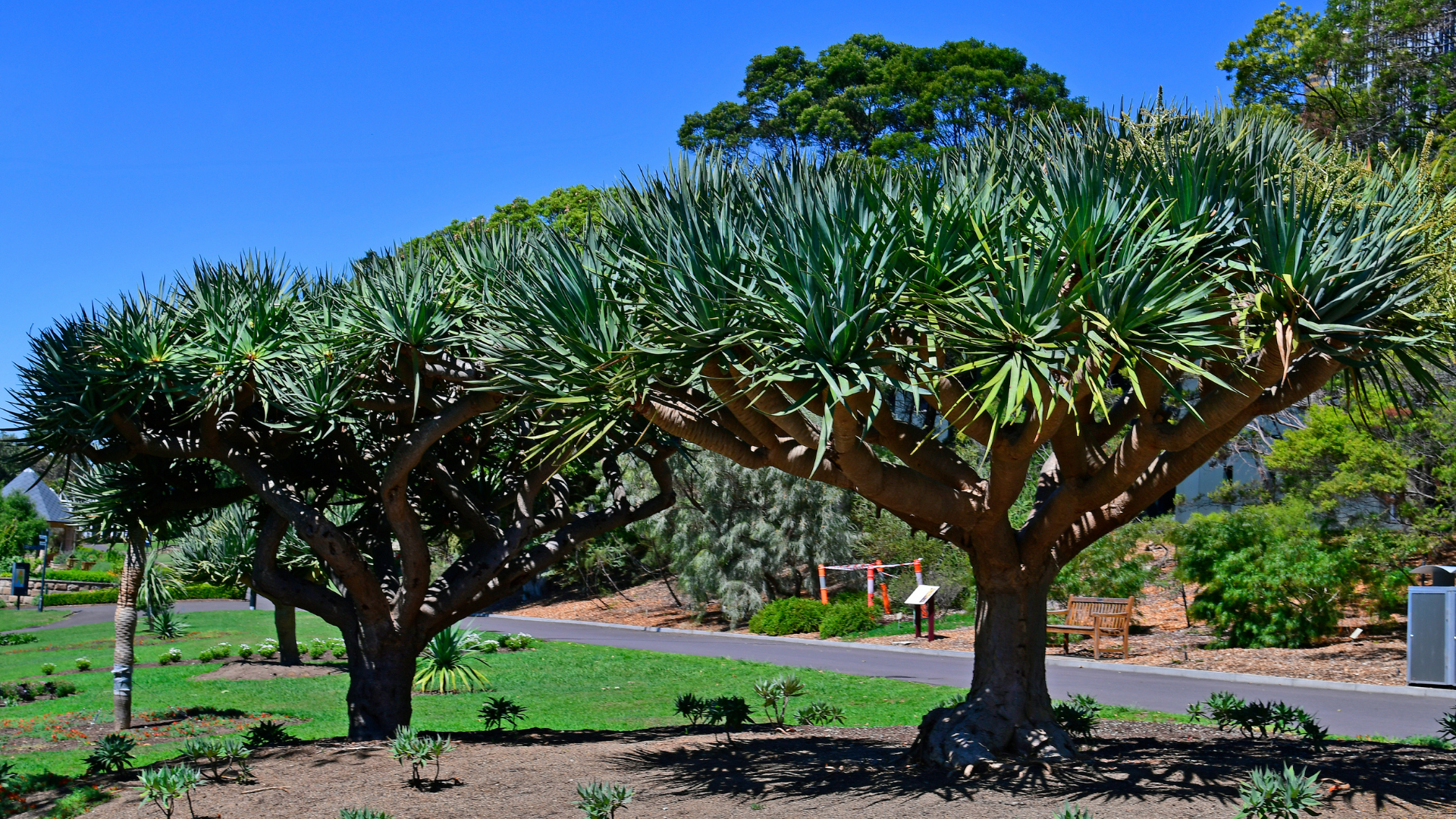
The location is what makes this garden so strange. You can stand in the middle of a dense fernery and look up to see massive glass skyscrapers poking through the leaves. The garden is wrapped around Farm Cove. This means you get clear views of the harbor water and the Sydney Opera House while standing next to rare, ancient trees.
Advertisement
They even grow Wollemi pines here. Those pines are actually a big deal. Scientists thought they went extinct millions of years ago until a few were found hidden in a canyon in 1994. Now, the garden grows them to keep the species alive and safe from wildfires. You get to see a dinosaur-era tree with a modern city skyline sitting right behind it.
Science In The City
The garden is not just a nice place to take a walk. It is an active research hub. The scientists here work on plant disease, conservation, and tracking climate change. They run a massive seed bank to protect endangered Australian plants from going completely extinct.
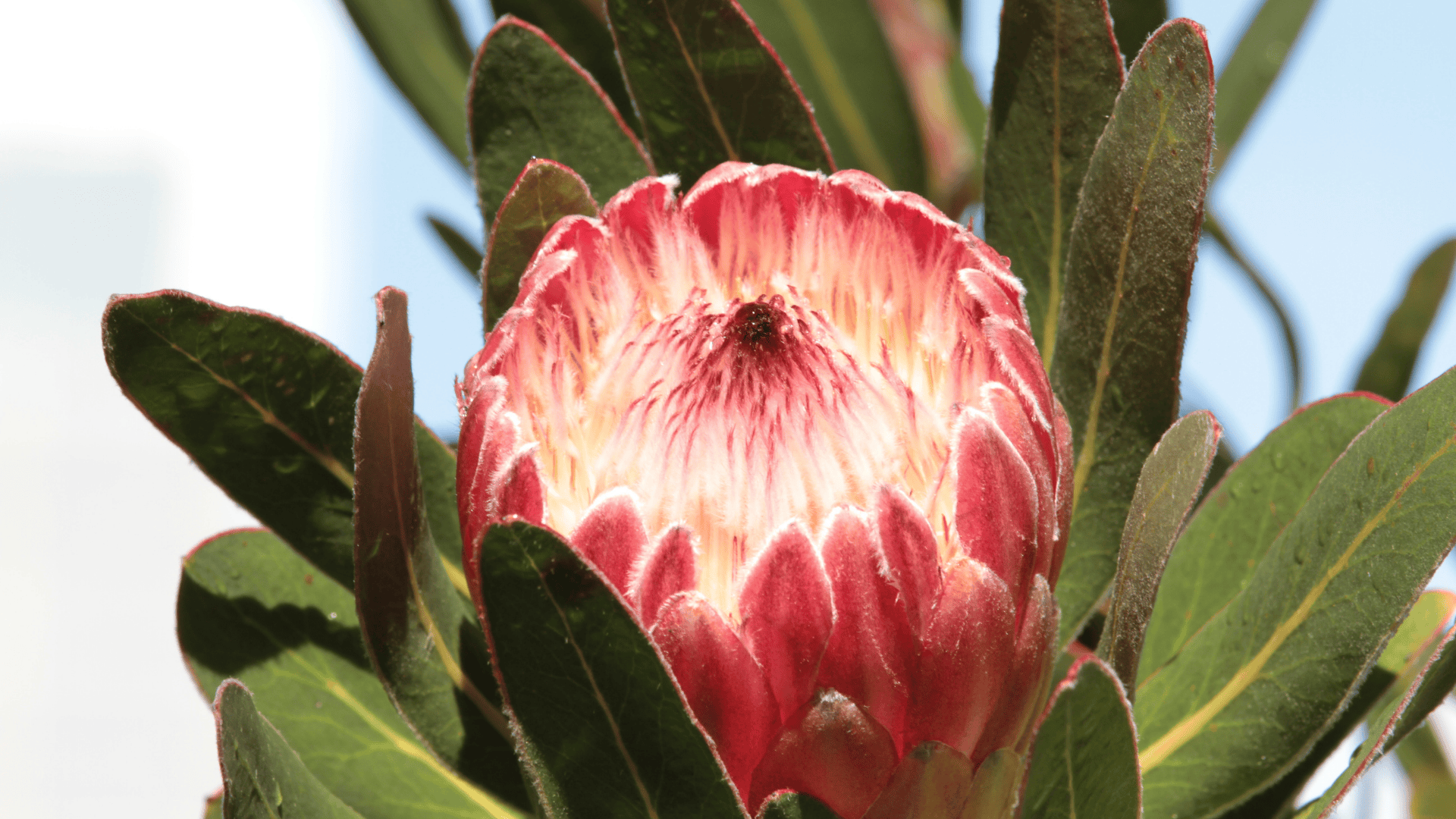
They also built a curved glass building called The Calyx. It hosts massive, changing plant displays. Sometimes it is filled with thousands of carnivorous plants. Other times, it shows off how pollination works. It is a smart way to get people interested in the actual biology of how plants survive. So while visitors are taking pictures of the colorful flower walls or the historic sandstone pavilions, real conservation work is happening right under their feet.
 Read Exclusive Stories
 Bookmark & Save Articles For Later