Midtown Atlanta is typically characterized by heavy traffic, large buildings, and an abundance of concrete. Next to Piedmont Park is a 30-acre area that completely removes you from the city. This is the Atlanta Botanical Garden.
Unlike gardens that simply encourage you to remain on the ground and admire flower beds, this garden features a pathway that allows you to ascend into the trees. This demonstrates that it is possible to create natural wilderness within a rapidly expanding urban environment.
Walking Above The Ground
The main attraction within the garden is the Kendeda Canopy Walk. This 600-foot-long suspension bridge passes through one of the last urban forests remaining in Atlanta. As you walk along the bridge, you gradually work your way up to 40 feet in the air.
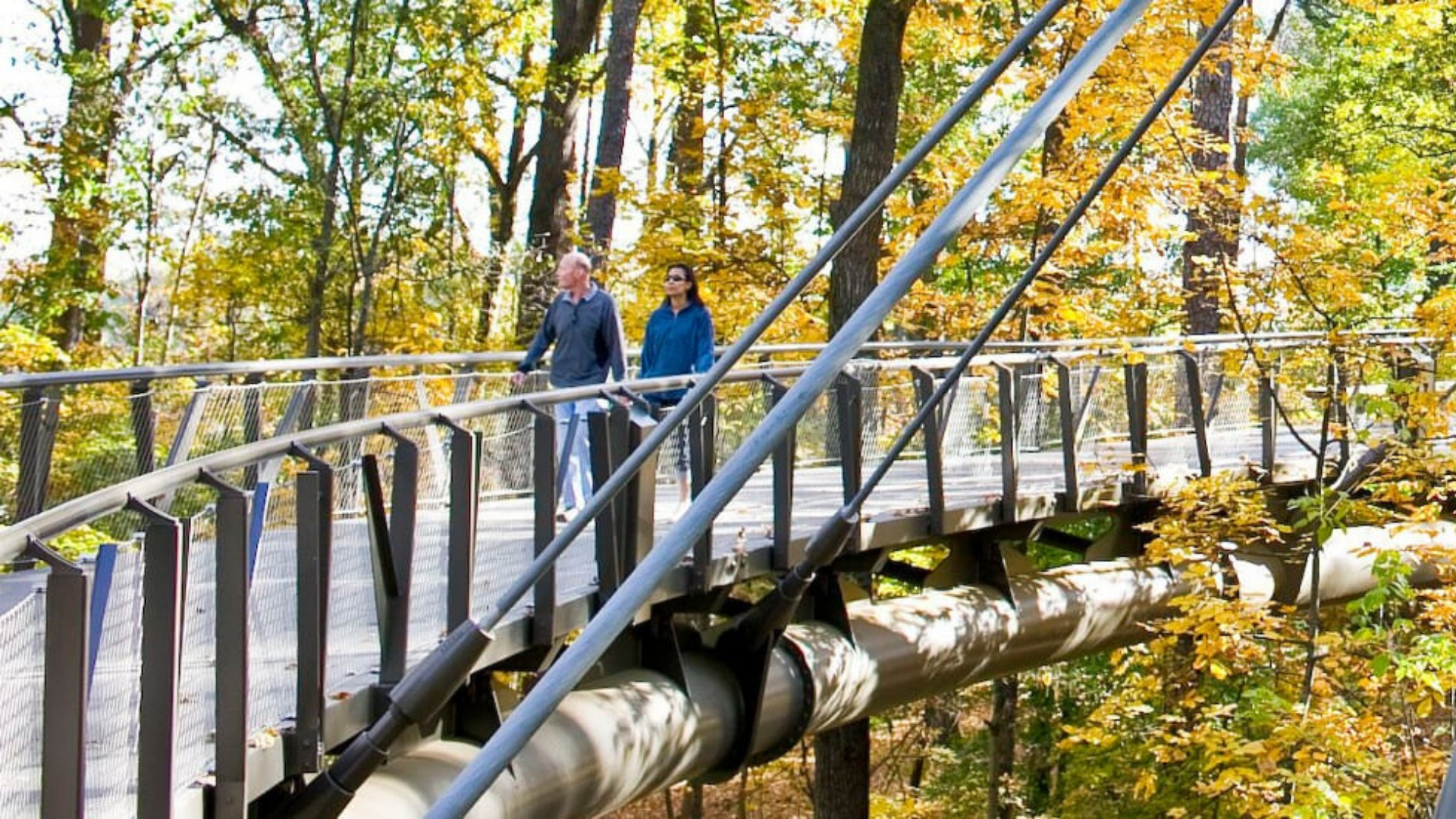
Rather than walking through the trunks of huge oaks and hickories, you walk through their branches. Now you can view the forest as a squirrel or a bird would. The bridge itself consists of a metal mesh walking surface and thin wire railing. This design was intentional. The thin metal allows sunlight to pass through the bridge so the plants growing in the ground can continue to receive the sunlight they require for survival.
Advertisement
A Massive Glass House
The garden also contains more than just native trees from Georgia. Inside the garden lies the Fuqua Orchid Center. This structure is essentially a large glasshouse used to cultivate difficult plants.
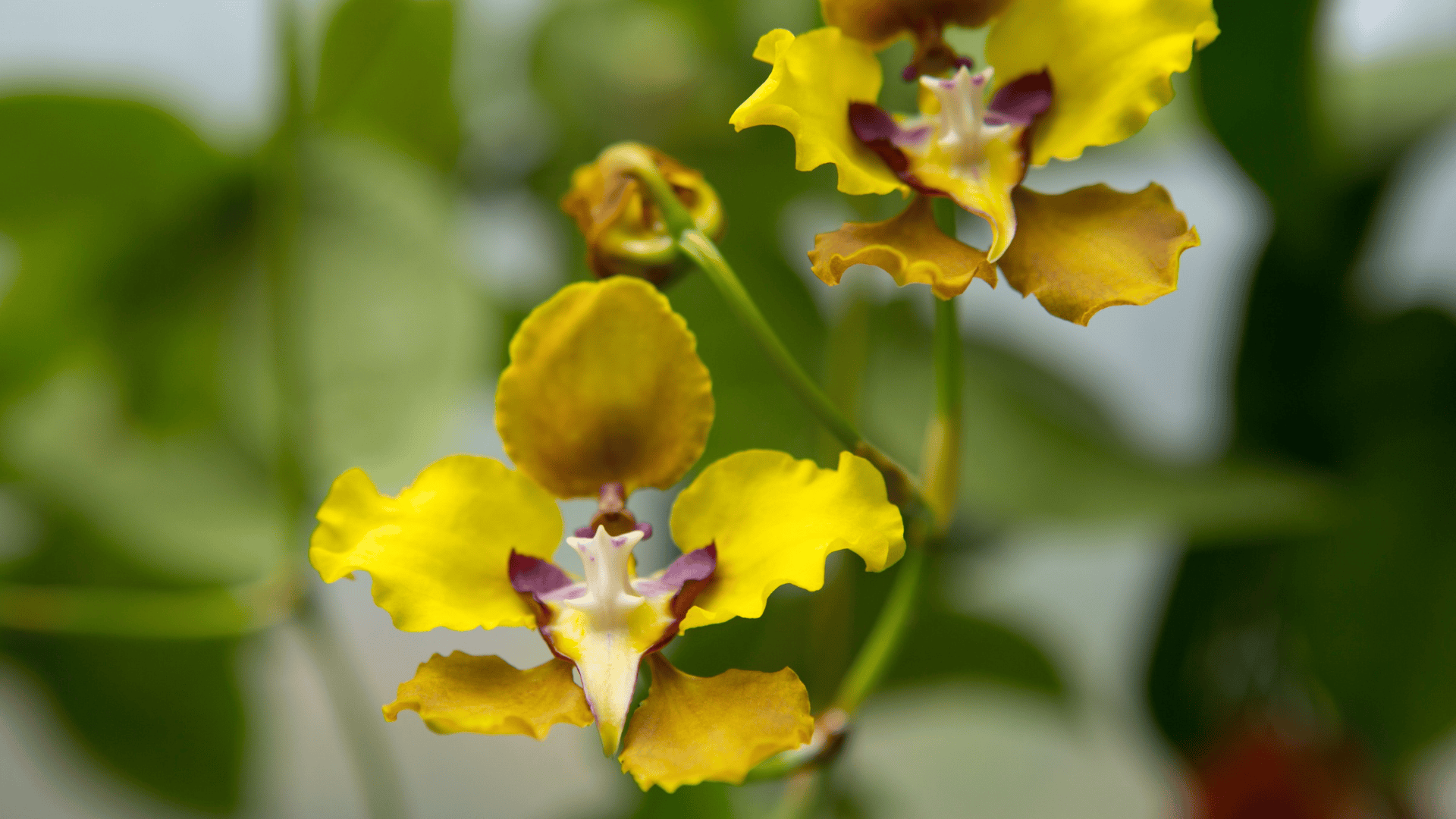
Growing rare orchids can be very challenging. Many of these plants naturally only exist in high-altitude tropical forests that are cool and very humid. To combat this issue, the greenhouse uses an intensive ventilation system that circulates cool, humid air throughout the facility. As a result, delicate Andean orchids can thrive during the intensely hot southern summer.
Art and Nature Together
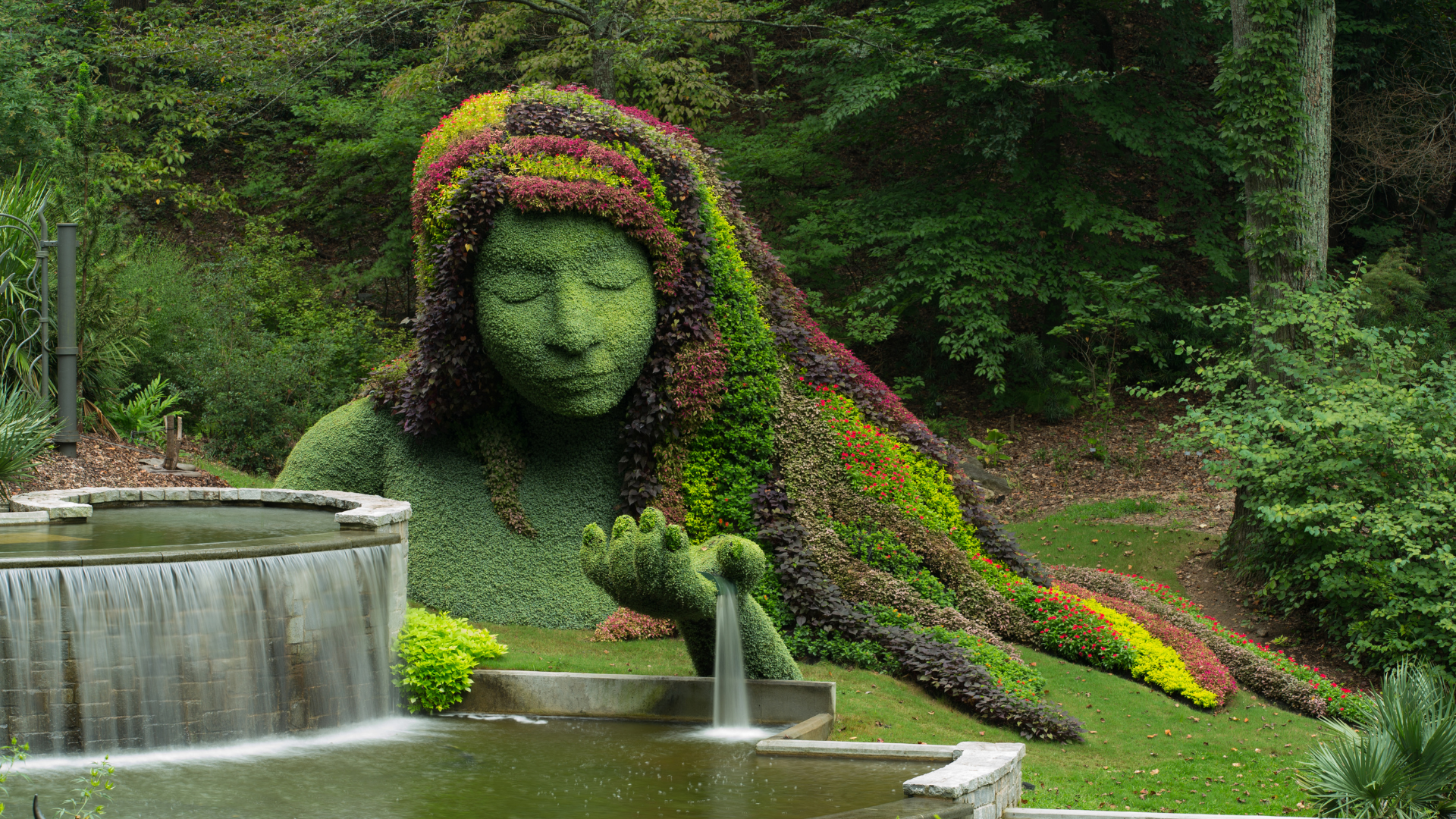
The garden also features large seasonal art pieces that integrate well with the garden itself. These artworks consist of large sculptures created entirely from plants. As you walk around the garden, you may encounter a 25-foot-tall earth goddess adorned with brightly colored flowers and ivy.
This demonstrates that a botanical garden need not be a flat, mundane landscape. Instead, a garden can be built upwards, and advanced technology can be used to create unique environments.
 Read Exclusive Stories
 Bookmark & Save Articles For Later