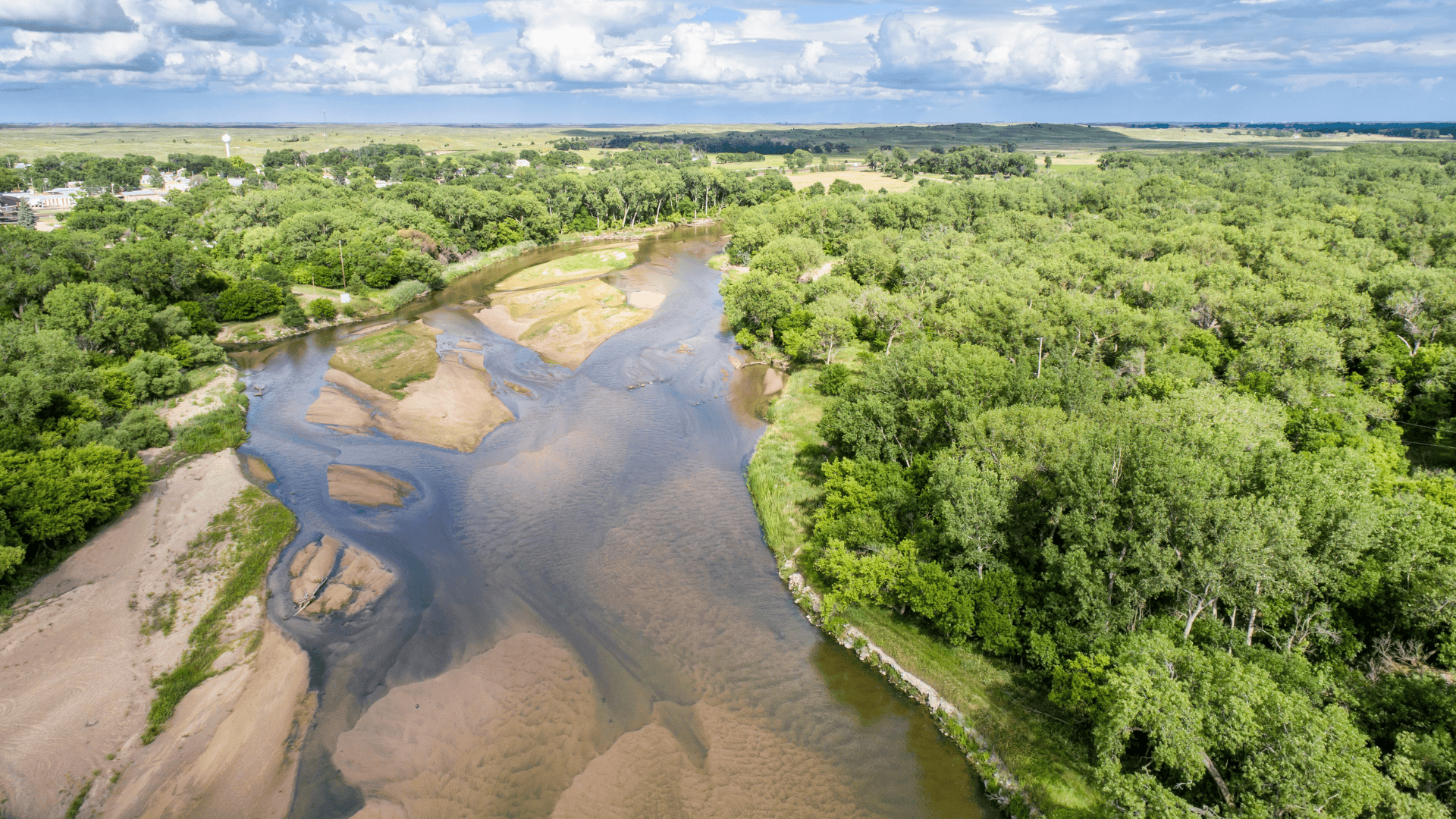
If you’ve ever wanted to explore what the planet Mars looks like, you don’t have to spend thousands of dollars.
NASA sent a team of Apollo astronauts to this Idaho park because it looked so much like outer space.
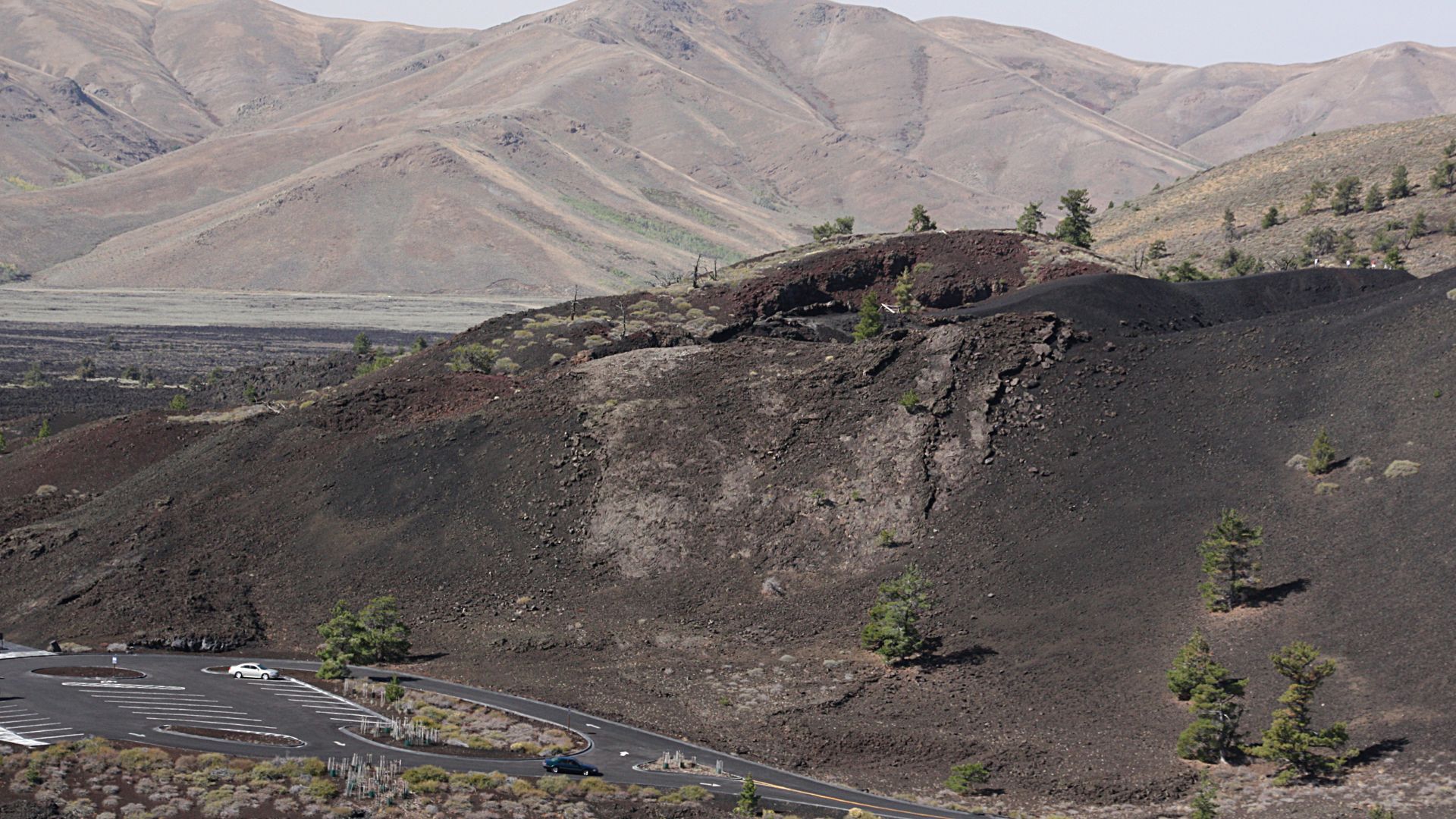
Craters of the Moon National Monument sits on the Snake River Plain and is a massive pitch-black ocean of dried lava, cinder cones, and underground caves.
Here’s everything you need to know about how this strange park formed and why the space explorers came to study it.
Deep Earth Cracks and Lava Oceans
If you could take a helicopter ride over Craters of the Moon, you’d see the Great Rift, an enormous 52-mile crack in the ground.
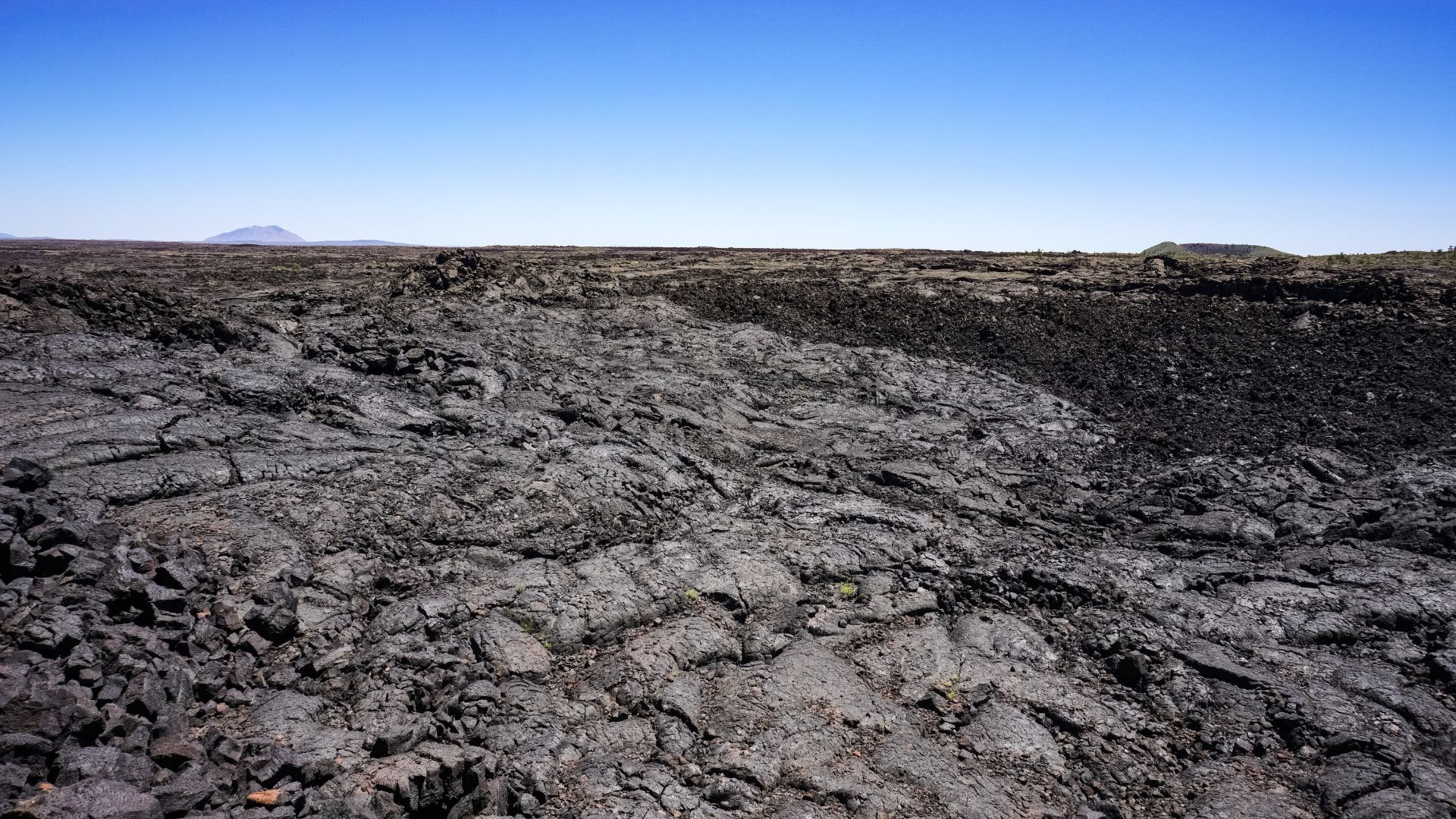
You would also see vast oceans of dried lava that once poured into this area.
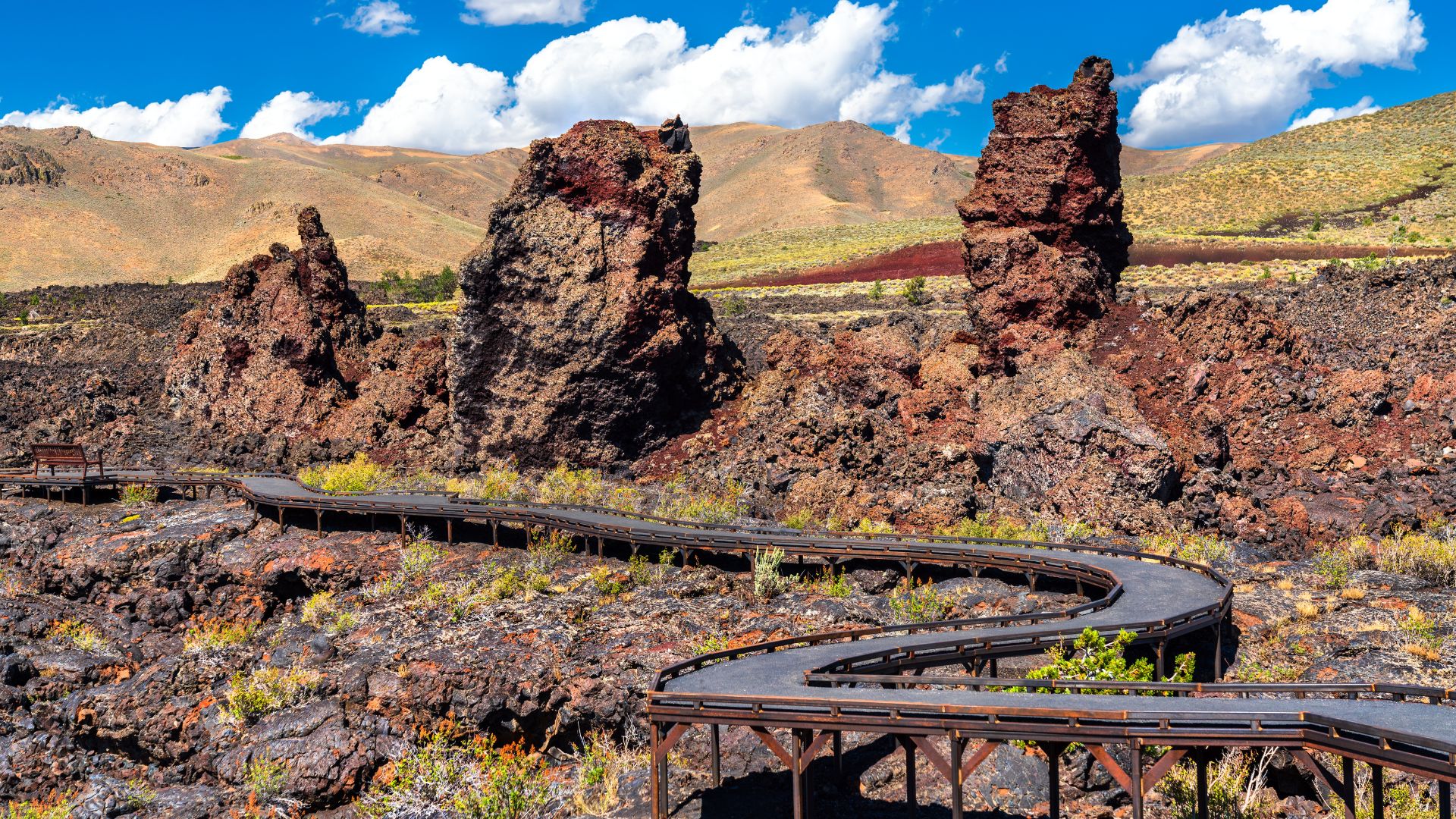
You would also expect to find a giant volcano in the center of this park. However, that’s not how it happened.
The volcanic activity that formed this park began around 15,000 years ago, when lava seeped through cracks like this one.
From time to time, volcanoes would spurt smooth, ropey rock called pahoehoe or jagged and sharp lava called a’a.
Heavy gas bubbles would also erupt, causing black hills, but volcanic activity would last for over 15,000 years.
Today, this area is covered in over 600 square miles of dried volcanic lava.
Astronaut Training on Earth
Advertisement
In 1969, the Apollo 14 astronauts Alan Shepard, Edgar Mitchell, Joe Engle, and Eugene Cernan came to this park during a calm before the storm in volcanic activity.
The team, known for its skills with military aircraft, wasn’t trained in geology.
So why did NASA send them?
NASA only had a limited amount of moon rocks brought back on the mission, so they trained their astronauts to identify geological features in places that look like the moon.
Outer space is covered in ancient volcanic activity; Idaho’s pitch-black lava is a perfect example of what it looks like.
The four astronauts studied for days in Craters of the Moon so they could quickly identify geological features by the time they landed on the lunar surface.
Exploring the Volcanic Ruins
Now that we know the history behind this unique park, you can explore it just like the NASA team.
There are hundreds of hiking trails that take you across sharp basalt rock pathways and massive underground lava tubes.
The Great Rift is still considered an active volcanic site, and geologists believe that it will erupt again one day.
For now, it’s quiet enough so we can experience the lunar landscape of Idaho’s volcanic haven.
 Read Exclusive Stories
 Bookmark & Save Articles For Later