Most people have experienced the frustration of trying to get the last bit of ketchup out of an upside-down glass bottle. A few shakes may release some ketchup onto the plate, but the remainder often stays stubbornly stuck near the nozzle.
Now scientists are using that knowledge to improve 3D printing of ceramics.
The Weird Physics of Ketchup
Ketchup is not a normal liquid. It is a non-Newtonian fluid, specifically a yield stress fluid.
When sitting in the bottle, the ketchup is essentially a solid. The tomato particles create a structure that holds the ketchup in place. When force is applied, the structure breaks apart, and it becomes liquid. Once the force is removed, it becomes solid again.
3D Printing Clay Instead of Plastic
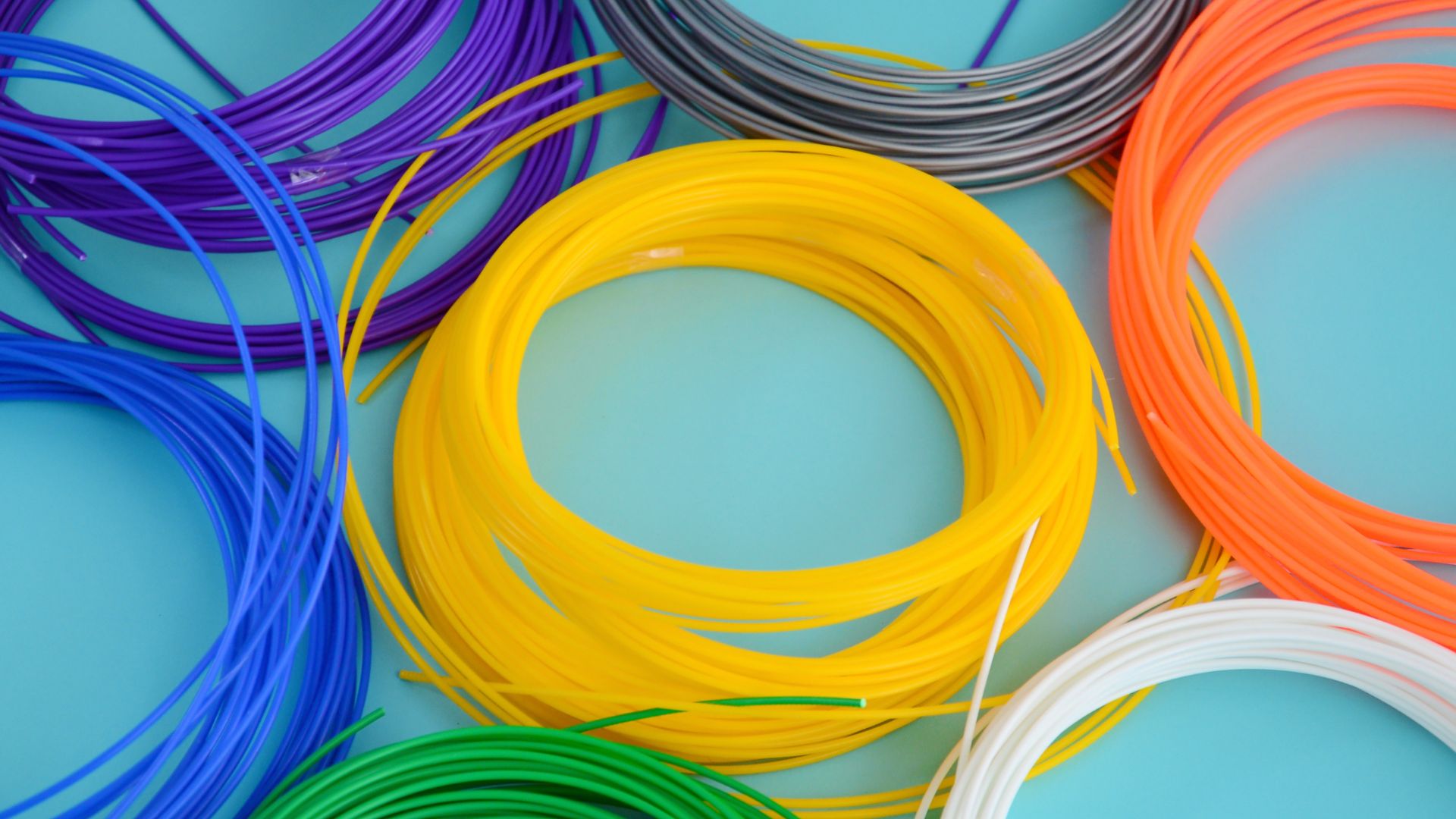
3D printers heat plastic until it melts and comes out of the print head nozzle to create desired objects.
Advertisement
Ceramics cannot be melted. Ceramic powder is mixed with water to form a thick paste that is fed into the print head.
The ceramic paste must be thin enough to pass through the print head. Once it hits the print bed, it must instantly solidify to hold its shape.
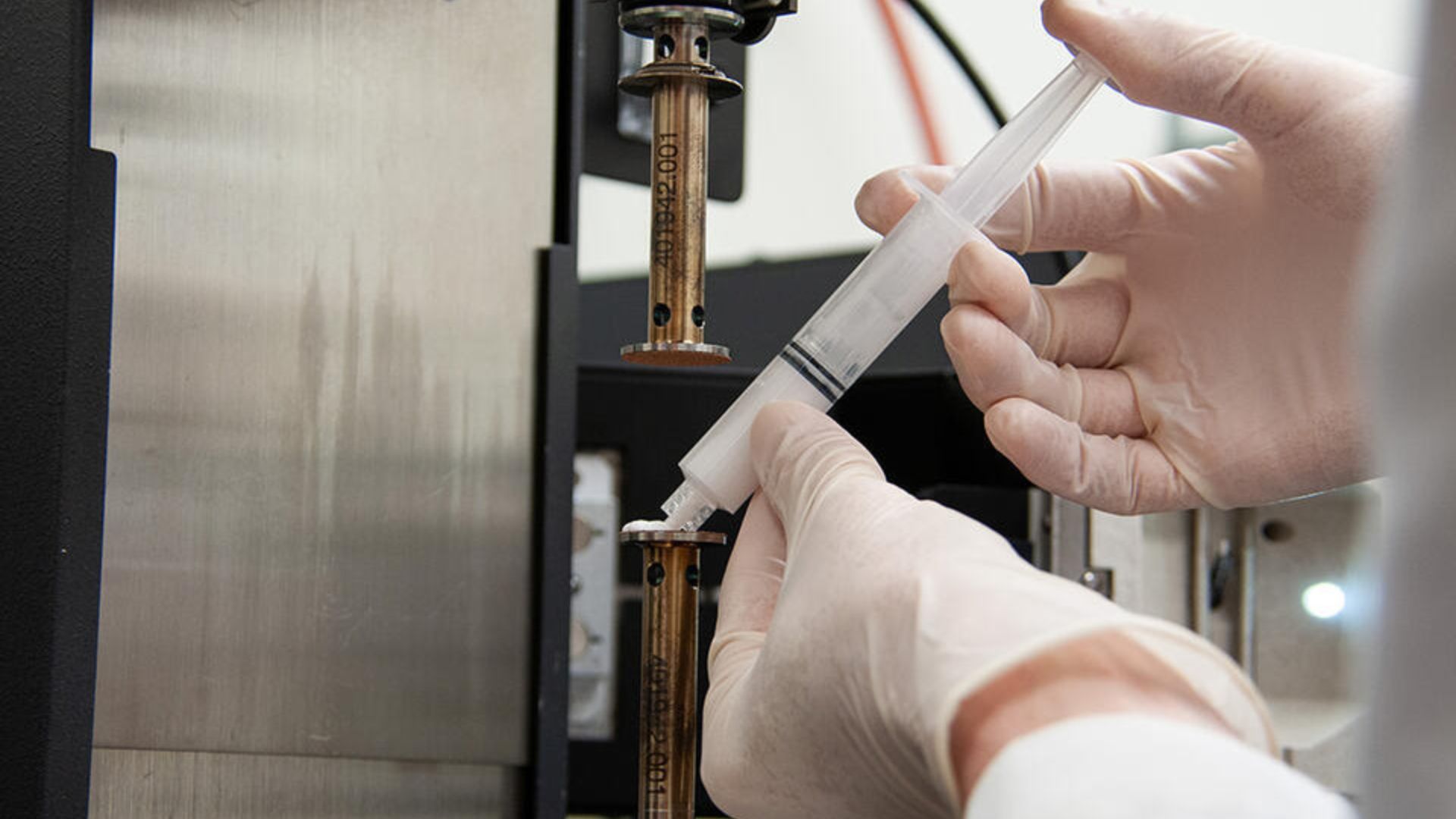
Researchers at NIST study the properties of ketchup to improve 3D printing of ceramics.
Measuring the Squeeze
The researchers studied the movement of ceramic paste through the print head nozzle. Under the right conditions, the particles in the paste will align and slide past one another very easily. This drop in the paste’s viscosity is achieved by applying the proper amount of force.
Applying too much force causes the paste to thin out, causing the printed ceramic object to slump onto the print bed. Applying too little force causes the ceramic paste to become stuck in the print head.
Using data collected from these experiments, scientists can create models that tell 3D printers how much pressure to apply during the print job.
3D printed ceramics are used in medical implants, heat shields for spacecraft, military applications, and other high-tech devices. Understanding the physics of a ketchup bottle could be one step toward creating these devices.
 Read Exclusive Stories
 Bookmark & Save Articles For Later