Doctors at Weill Cornell Medicine created a new way to track a blood cancer called myelodysplastic neoplasms (MDS) using AI. Published in Leukemia, the method compares the size, shape, and location of a patient’s bone marrow cells to healthy ones, giving a score to show disease severity.
MDS mostly affects older adults. Because it often turns into a more aggressive cancer, patients need frequent biopsies to monitor their status. However, it’s often difficult for doctors to read these biopsies.
“It’s fundamentally a chronic and progressive disease,” said Dr. Sanjay Patel, clinical chief of hematopathology at Weill Cornell Medicine. “With the current methods pathologists use to assess MDS samples, there are some clear-cut cases and a lot of grey area.”
Making Sense of the Numbers
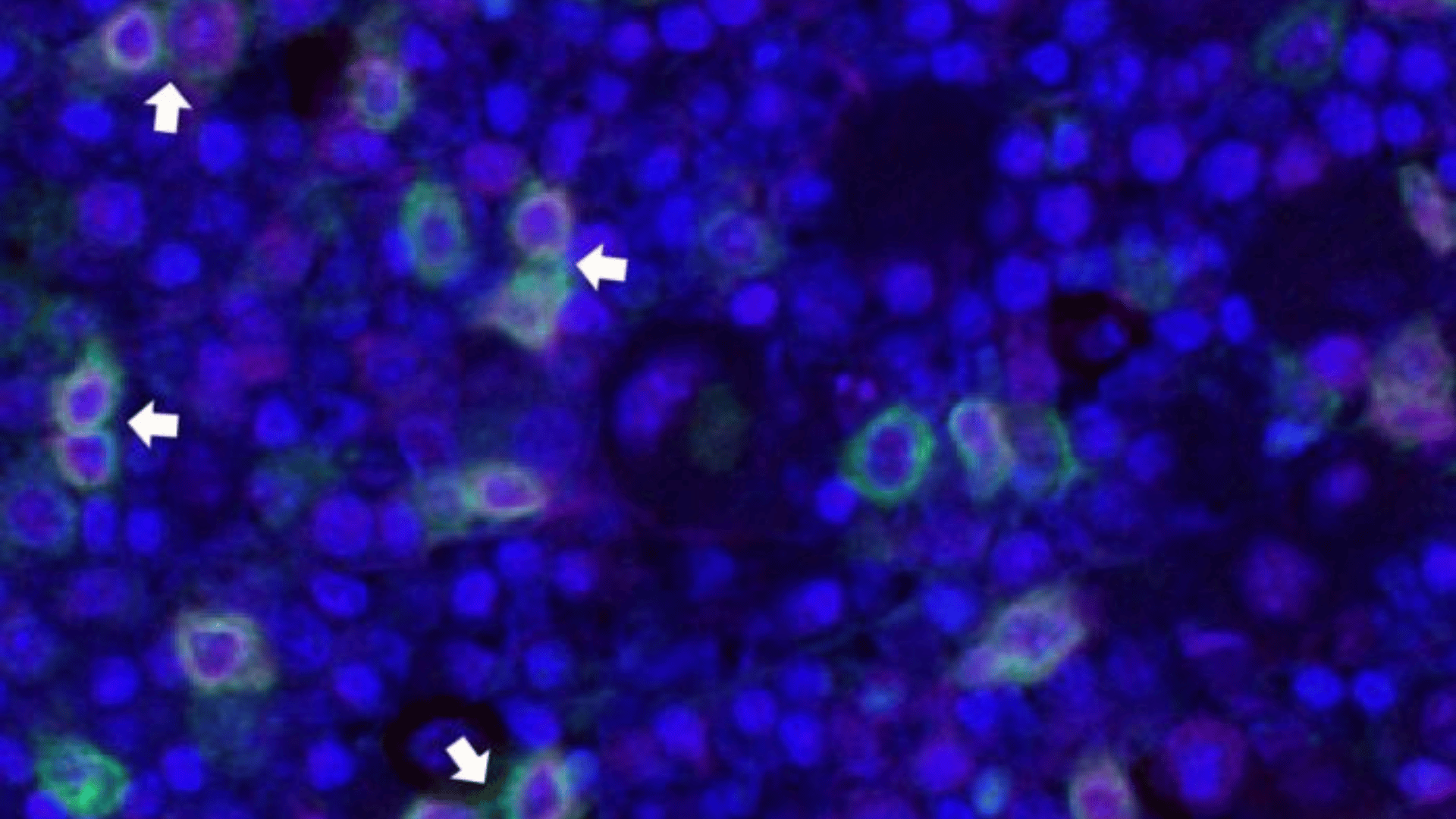
To clear up the gray area, the team built a tool called MDS-MAPS to rank 82 cell features. It uses standard technology that most hospital labs already have.
Advertisement
“Using AI to assist us in looking at the spatial architecture of the bone marrow using widely available laboratory assays allows us to improve our capability to assess patients’ prognosis and perhaps triage them for precision therapies,” said Dr. David Redmond, a computational biology researcher.
A low score means healthy tissue, while a high score means more disease-related changes.
“We can generate an MDS-MAPS value for a patient at diagnosis and track how it changes over time,” said Dr. Patel. “It distills something very complex down into a numerical value. It is easier for a patient to understand whether their score is trending in the right or wrong direction, or whether their disease is more likely stable.”
What Comes Next
In studies, the team found clues about how gene mutations, like TP53, disrupt healthy bone marrow structure. Fixing these interactions could eventually lead to new treatments. Next, they need to test the tool on larger groups.
“Patients with MDS and related precursor conditions have many mutations as part of the disease biology and each patient’s molecular signature is different,” said Dr. Pinkal Desai, a hematologist joining the team. “We have always wondered if these mutations signal a different spatial pattern and whether these patterns have an impact in predicting how patients progress and respond to treatments. Together, we are poised to harness technology to answer real-world clinical questions.”
 Read Exclusive Stories
 Bookmark & Save Articles For Later