If you drive to the Platte River in central Nebraska during the first few weeks of March, you will see one of the biggest animal migrations on the planet.
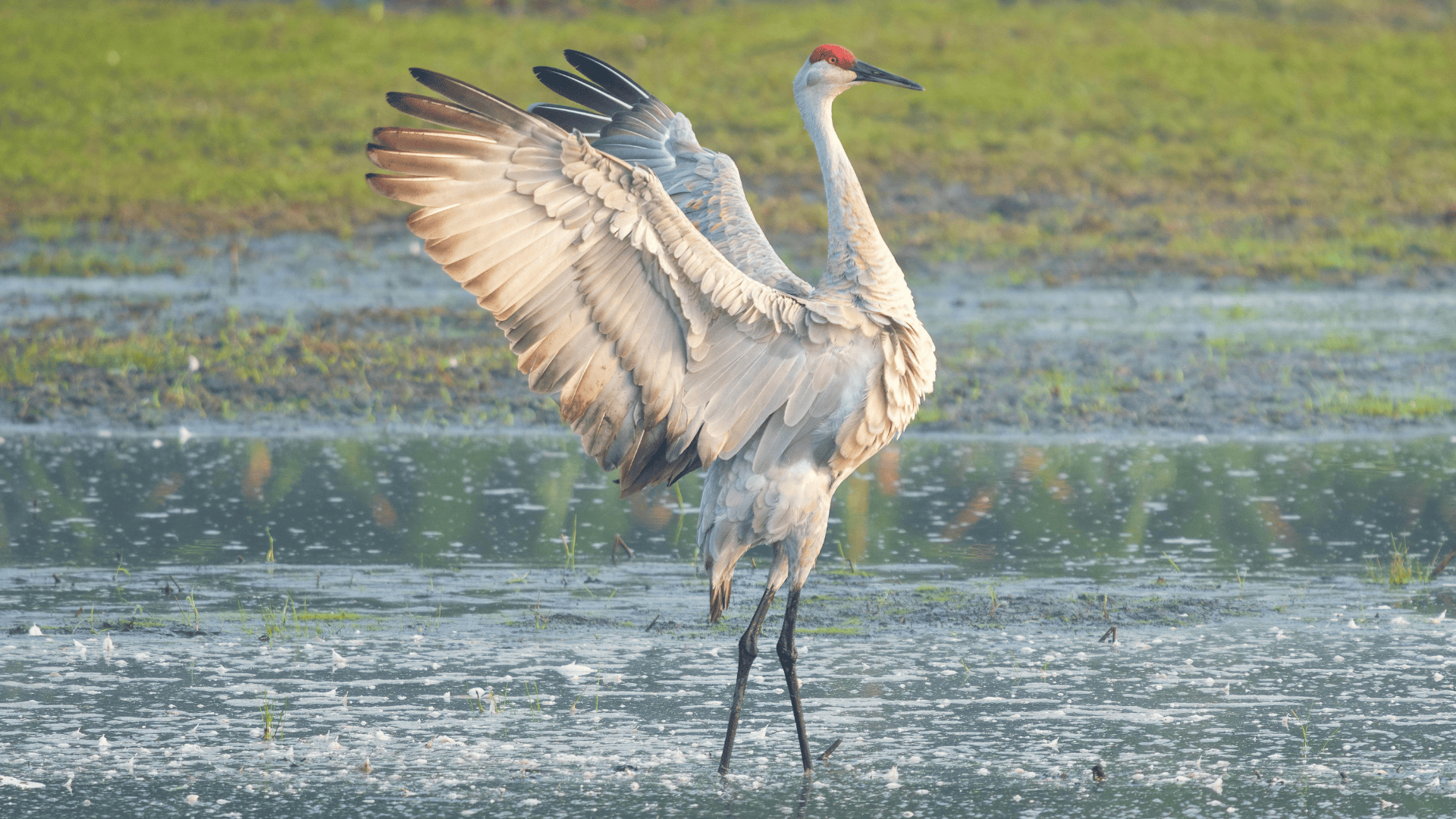
About 80 percent of all the sandhill cranes in the world land in this exact spot. We are talking about over half a million huge birds packed into a 75-mile stretch of water. The noise is absolutely deafening. But they are not just here by accident. The river’s specific shape makes it the only safe place for them to rest.
A Shallow Braided River
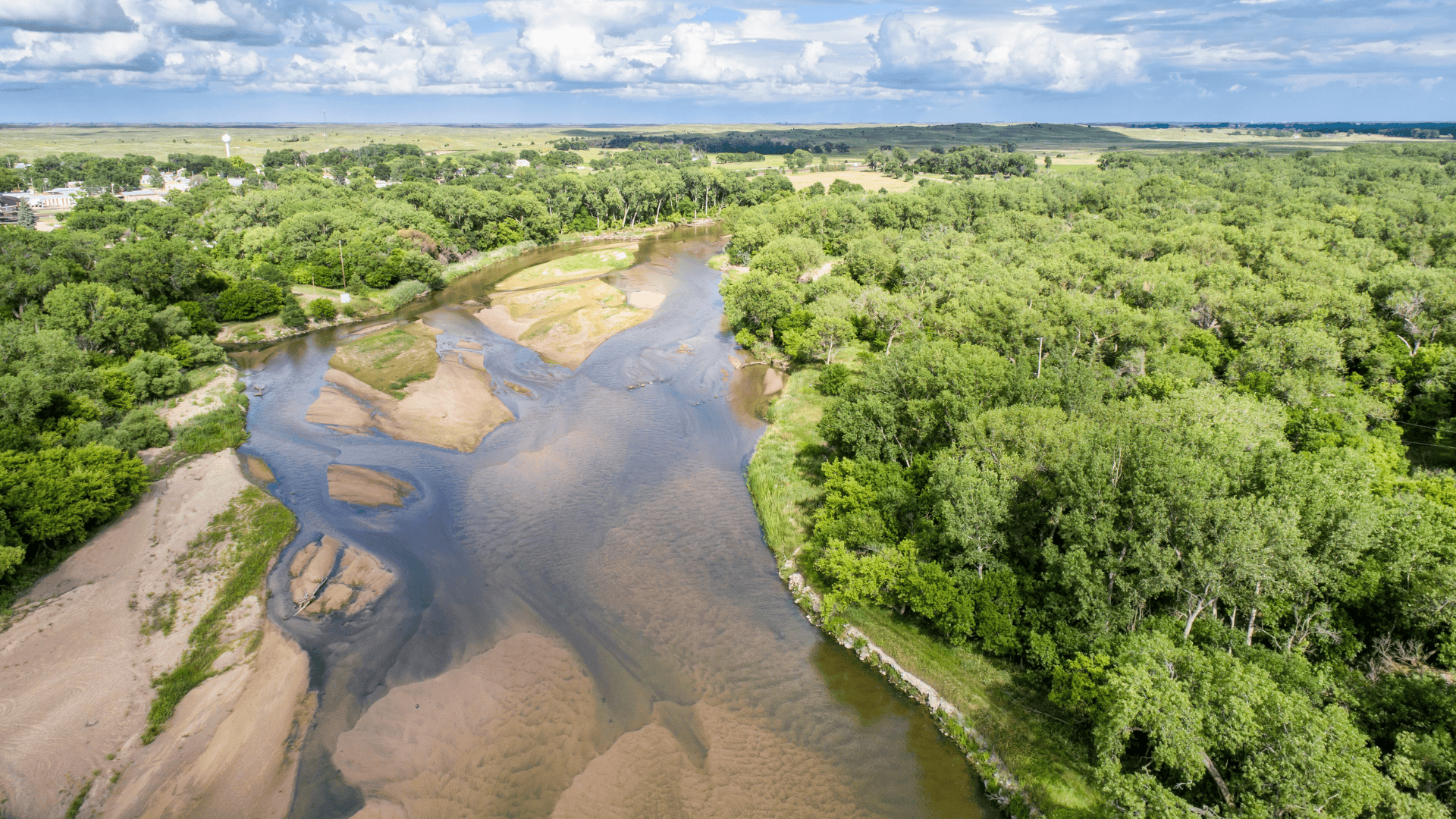
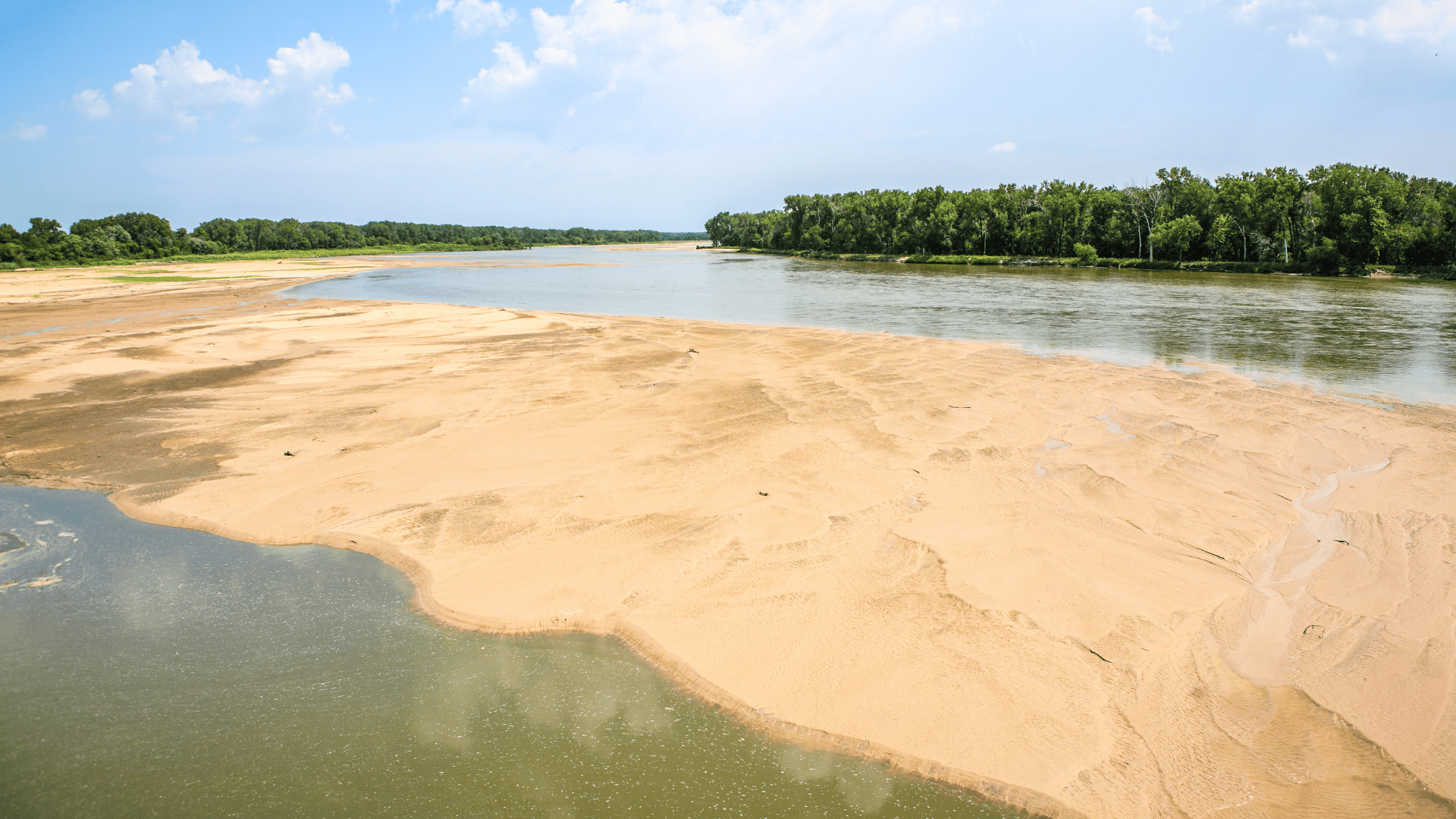
The Platte River is famous for being incredibly wide but extremely shallow. It is what geologists call a braided river. Instead of one deep, fast channel, the water splits into dozens of tiny, slow streams weaving around exposed sandbars.
This setup is exactly what the cranes need. These birds sleep standing up in the water. The shallow sandbars let them stand comfortably right in the middle of the river, far away from the trees on the banks. If a predator like a coyote tries to sneak up on them in the dark, it has to splash through the water. The noise wakes the flock, and they fly away to safety.
Fueling Up on Corn
Advertisement
The cranes are in the middle of a massive journey. They fly from the southern United States and Mexico all the way up to Canada and Siberia to breed. That trip burns a huge amount of energy. They need to gain about 20 percent of their body weight before they keep flying.
The land around the river provides the food perfectly. The soil here is incredibly rich, left behind by ancient glaciers. Farmers grow massive amounts of corn on it. During the day, the cranes leave the river and walk through the flat fields, eating the leftover grain that fell during the fall harvest.
A Temporary Spectacle
The birds only hang around for a few weeks. They eat, rest, and wait for the wind to shift out of the south. When the weather is right, they catch the updrafts and ride the wind north, completely emptying the river.
By the middle of April, the massive flocks are gone. But for a few short weeks every spring, the flat dirt and the shallow water create a perfect, natural hotel.
 Read Exclusive Stories
 Bookmark & Save Articles For Later