If you want to see a location that was entirely painted by hand, you’ll want to look at Antelope Canyon. This canyon is located outside of Page, Arizona, near the border with Utah.
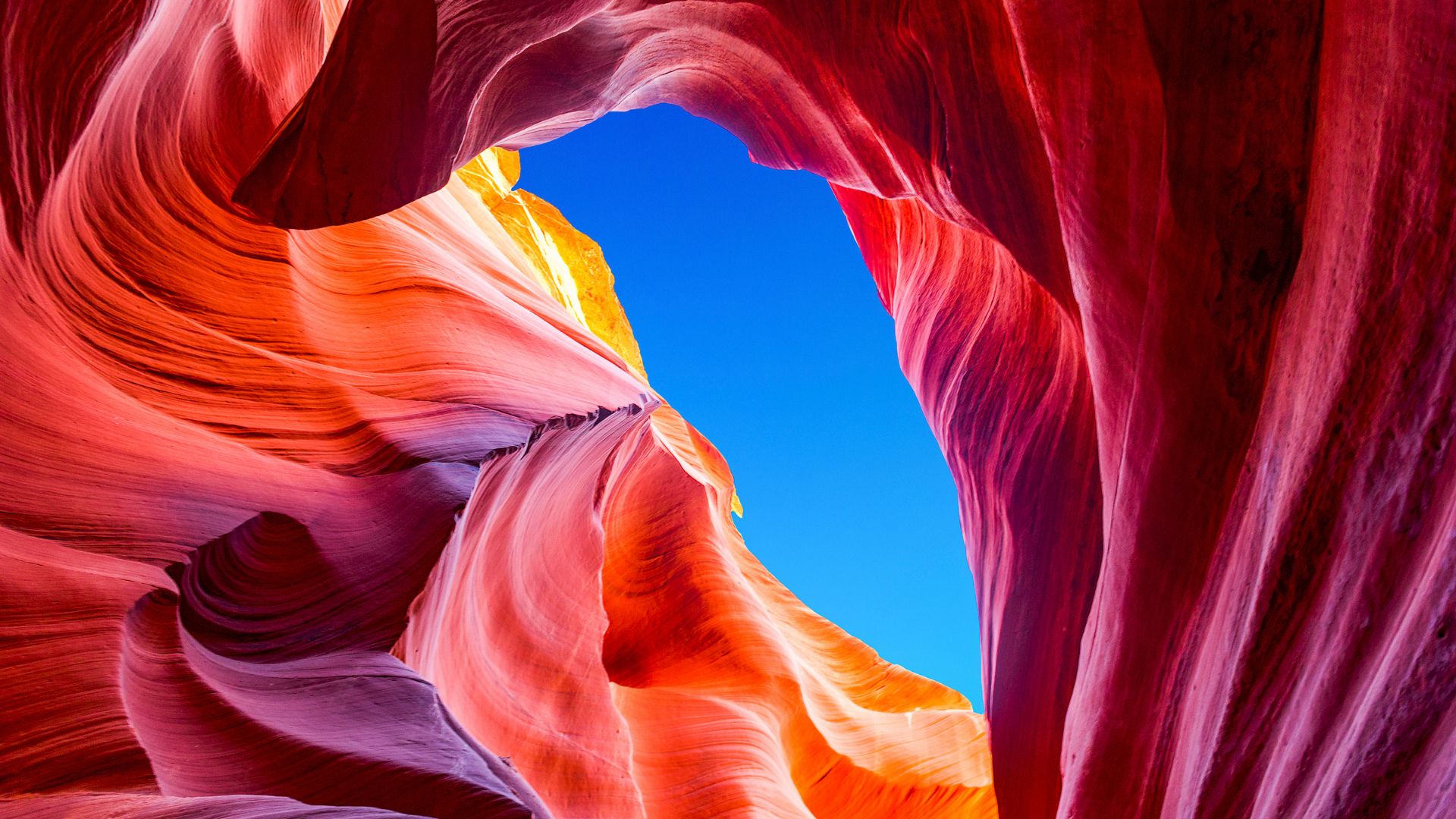
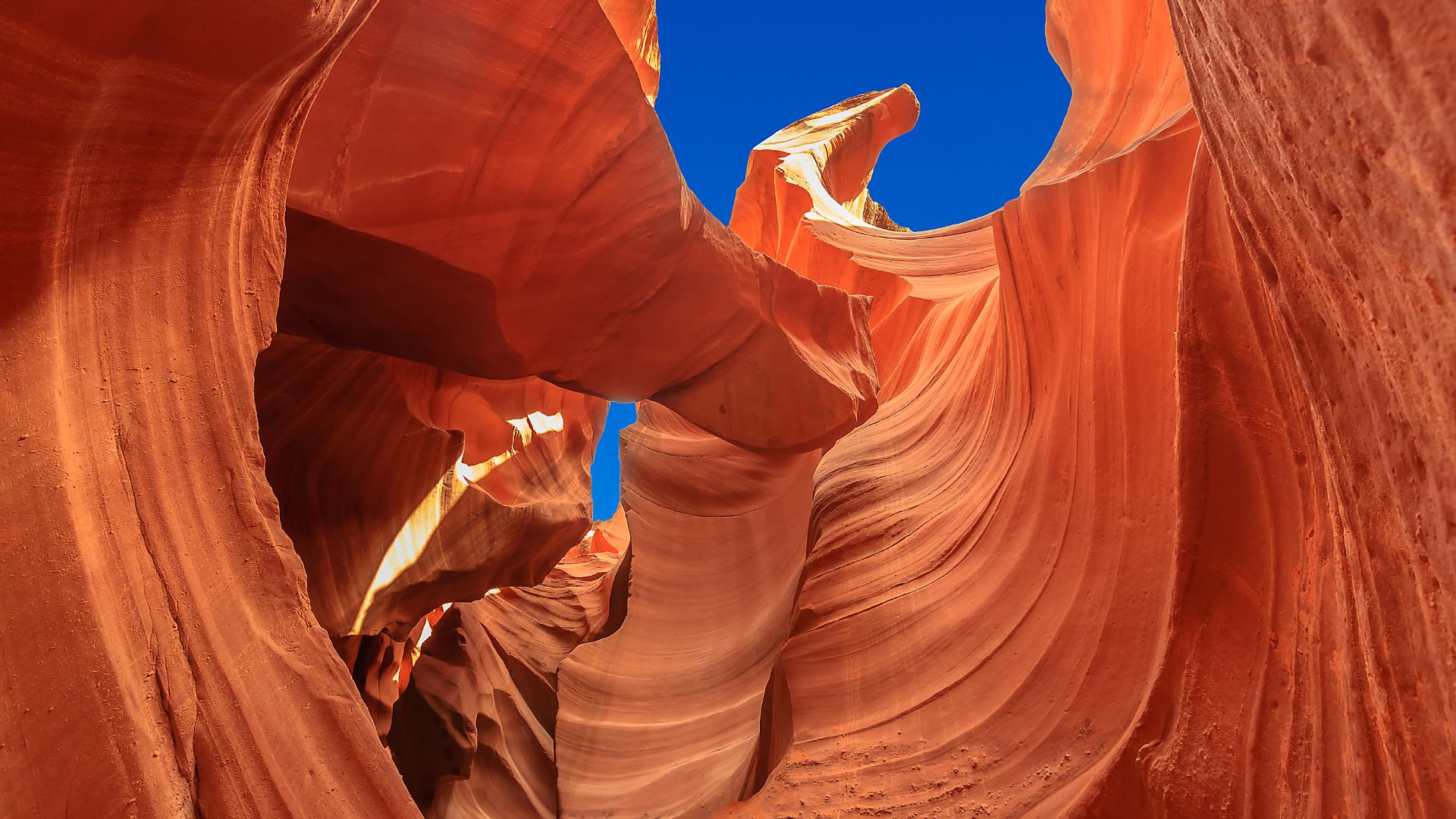
When you enter the canyon, you are surrounded by smooth walls of bright orange and red rock. This is a slot canyon, meaning it is very narrow but deep into the earth. Many photographers from all over the world visit to capture the famous light beams that shine down into the canyon.
Carved By Flash Floods
This canyon was carved into the solid Navajo Sandstone by the elements. More specifically, water did the carving.
Although the area receives little rainfall each year, when it does rain, the water rushes into the canyon. The resulting flash flood picks up rocks and sand, essentially like sandpaper. Over thousands of years, this sandstone has been smoothed out by the water rushing through the canyon.
Catching The Light Beams
Advertisement
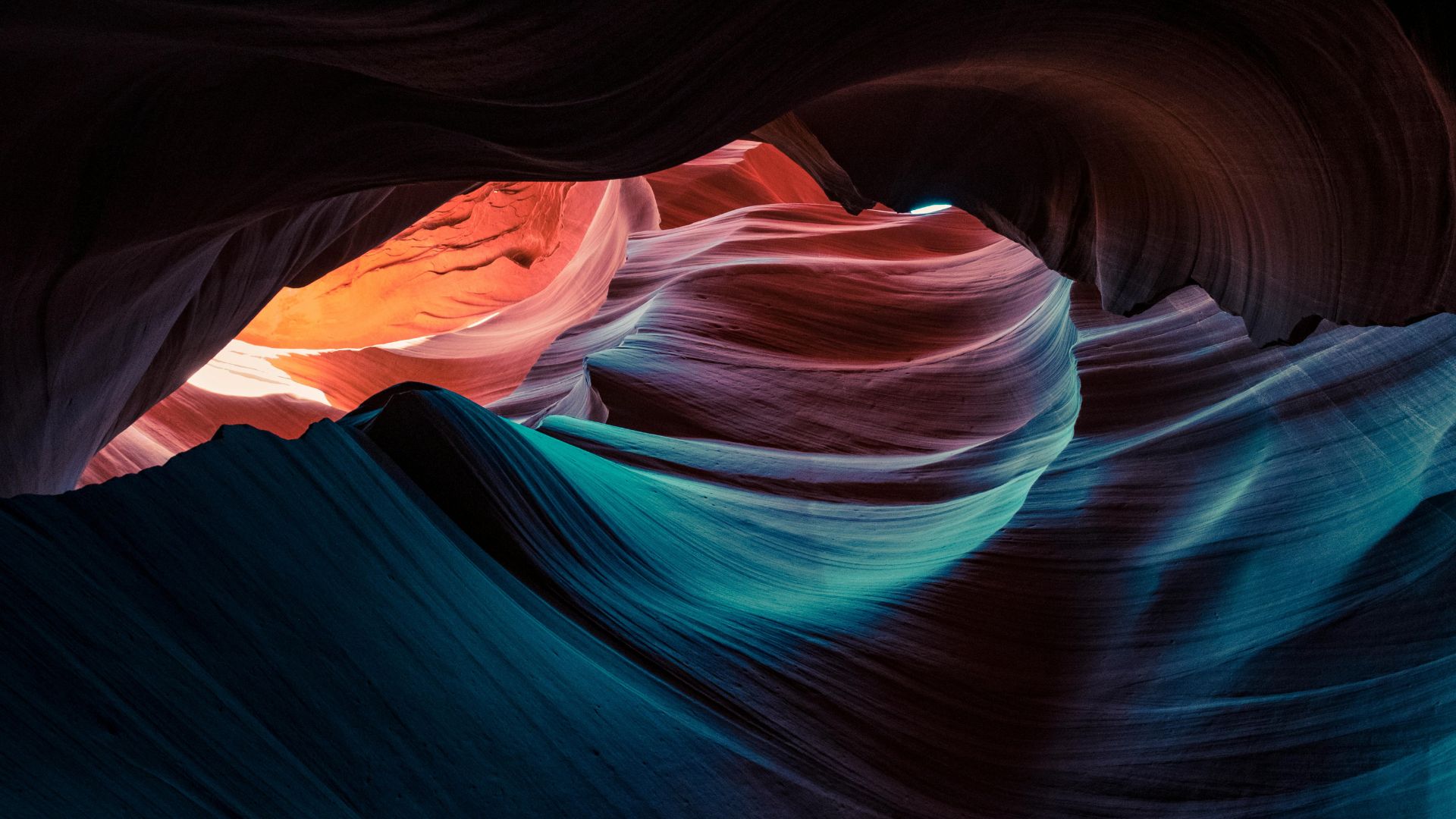
One of the most visual components of the canyon is the way the light plays through the slot canyon. Because the canyon is so narrow at the top, the bottom is dark. Throughout the middle of the day, the sun shines through the cracks in the canyon ceiling, casting beams that strike the canyon floor. However, you do not just see the beams of light shine on the floor of the canyon. Instead, you can see the beams of light in the air. This is due to the fine dust present in the canyon air. The sunlight hits these dust particles, reflects off them, and creates a visual of the beams of light in the canyon air. It is this visual aspect of the canyon that makes it perfect for stock footage.
Visiting Navajo Land
You cannot just drive up to this location and enter the canyon on your own. The canyon is located on Navajo land.
To enter the canyon, you must take a tour of the area with a Navajo tour guide. There are actually two different locations within the canyon that you can tour: Upper Antelope Canyon and Lower Antelope Canyon. The upper canyon is flat and includes the light show that the area is famous for. This location tends to become very crowded. The lower canyon requires a descent down metal stairs into the lower portion of the canyon.
Additionally, flash flooding remains an issue in the area today. If the canyon or its vicinity receives rain, the tours will be canceled to protect the tourists. Thus, this area presents the dangers of the same forces that created such an inspiring location for the people of Arizona.
 Read Exclusive Stories
 Bookmark & Save Articles For Later