Timber framing is about as honest as construction gets. A crew would take massive, solid wood beams, join them together with wooden pegs, and build a structure that can stand for centuries. You aren’t just nailing boards together; you’re building a skeleton.
When you look at a modern house, it’s often held up by thousands of thin, flimsy studs. A timber frame does the exact opposite. It uses fewer pieces, but every piece is huge. These beams take the weight of the building and shift it down to specific points. Because of how it’s designed, you don’t need interior walls to hold the roof up. That’s why you see those wide-open floor plans in timber-framed barns or custom homes.
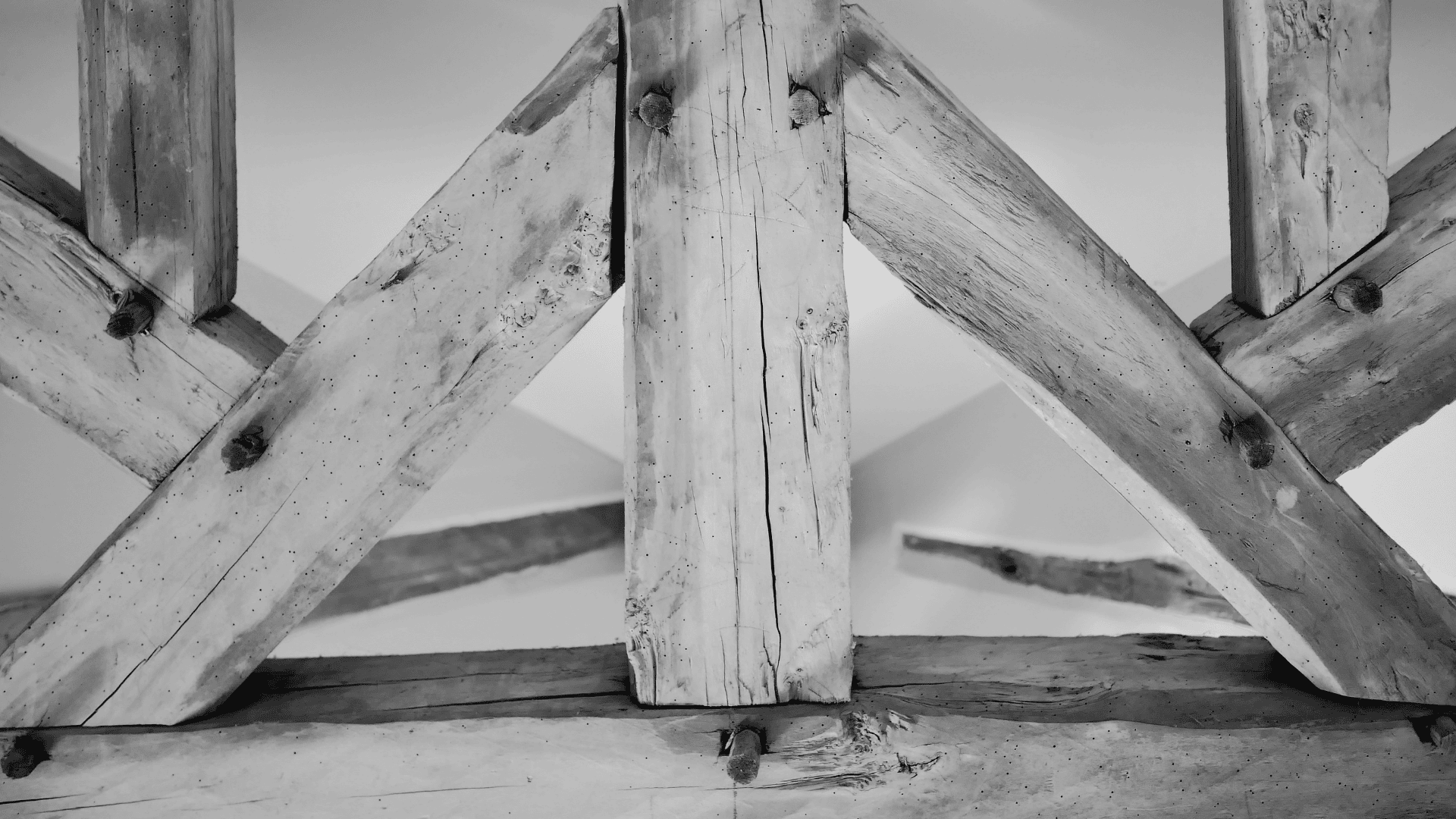
The craft relies on joinery. This is where it gets quite interesting. Instead of using screws or metal plates to connect the wood, builders use mortise-and-tenon joints. Imagine a tab on the end of one beam sliding into a slot on another. Then, you drill a hole through both and hammer in a strong wooden peg, which locks the joint in place. As the wood expands and contracts with the seasons, the joint stays tight. It’s simple, effective, and has worked for thousands of years.
Some people might ask why anyone would do this today when we have cheap, fast methods like metal fasteners, nails, and dimensional lumber. They actually have a point. Timber framing definitely takes longer. You need specialized tools, heavy equipment to lift the beams, and people who know how to cut the joints with real precision. It also costs more upfront.
Advertisement
However, you don’t choose it because it’s the easiest way to finish a project, but rather because you want a structure that feels permanent.
Timber framing is a great example of looking backward to move forward. As a society, we focus so much on temporary, mass-produced materials that we sometimes forget what real durability looks like. The frames are built from renewable resources and there’s something very practical about that.
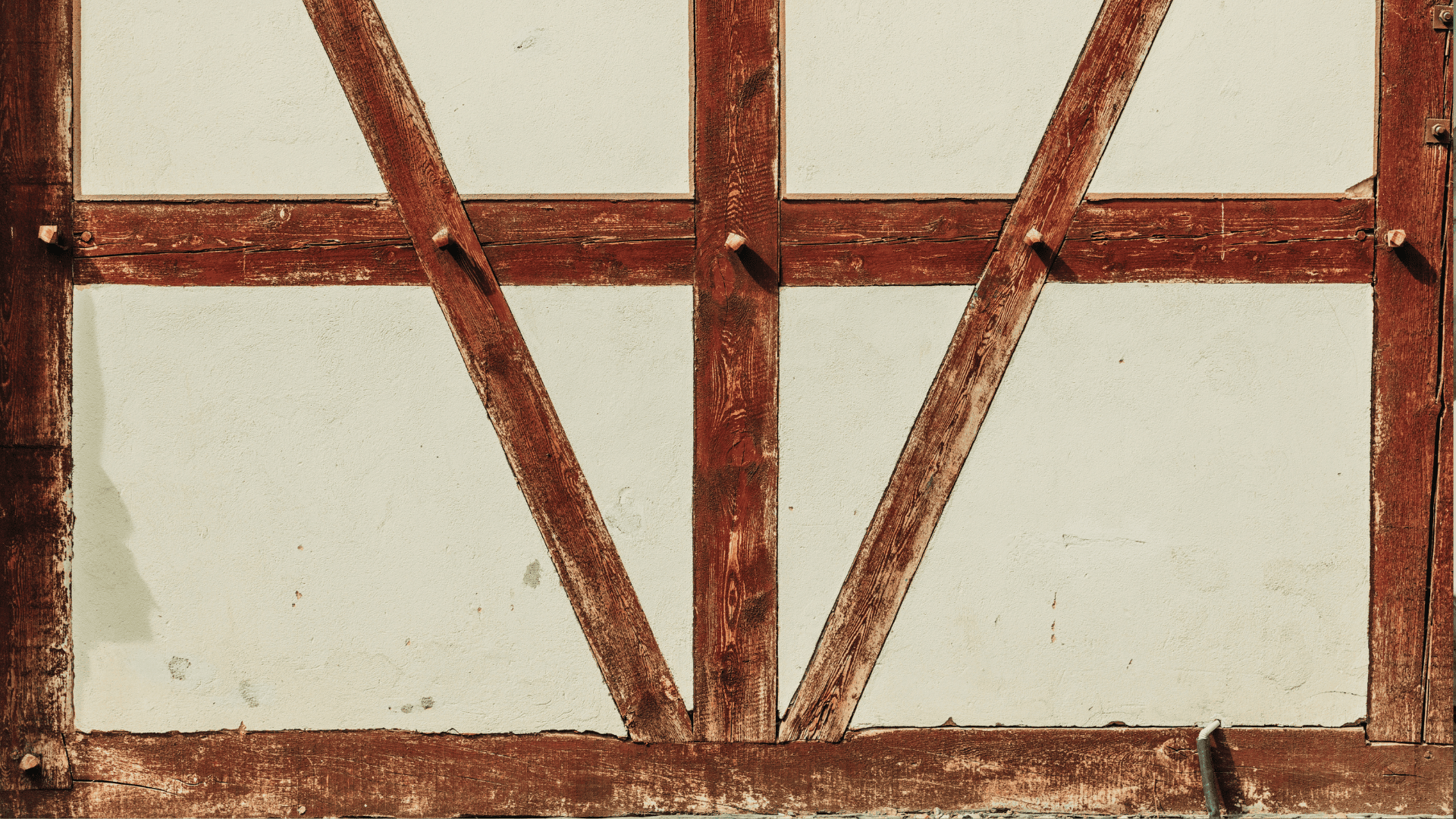
Stepping into a finished timber frame, you feel it immediately: a profound sense of quiet and stability where the raw craftsmanship takes center stage. Drywall and siding no longer hide the structure; it stands exposed, revealing its honest composition. It is an honest composition of wood and hand-fitted pegs built to endure for centuries. Heavy, precise, and profoundly functional is the very essence of the craft.
 Read Exclusive Stories
 Bookmark & Save Articles For Later