Nuclear energy has been part of the world’s power supply for over 70 years. Despite its widespread use, it is arguably one of the most misunderstood forms of power in the world. For some, it is associated with accidents. For others, it is one of the best ways to produce large amounts of electricity without releasing carbon dioxide into the atmosphere.
The truth of the matter is that nuclear energy is significantly more complex than these two views suggest. It is based on the principles of physics and engineering, as well as on improvements in safety procedures introduced over the years for the management of nuclear power stations.
How Does Nuclear Energy Work?
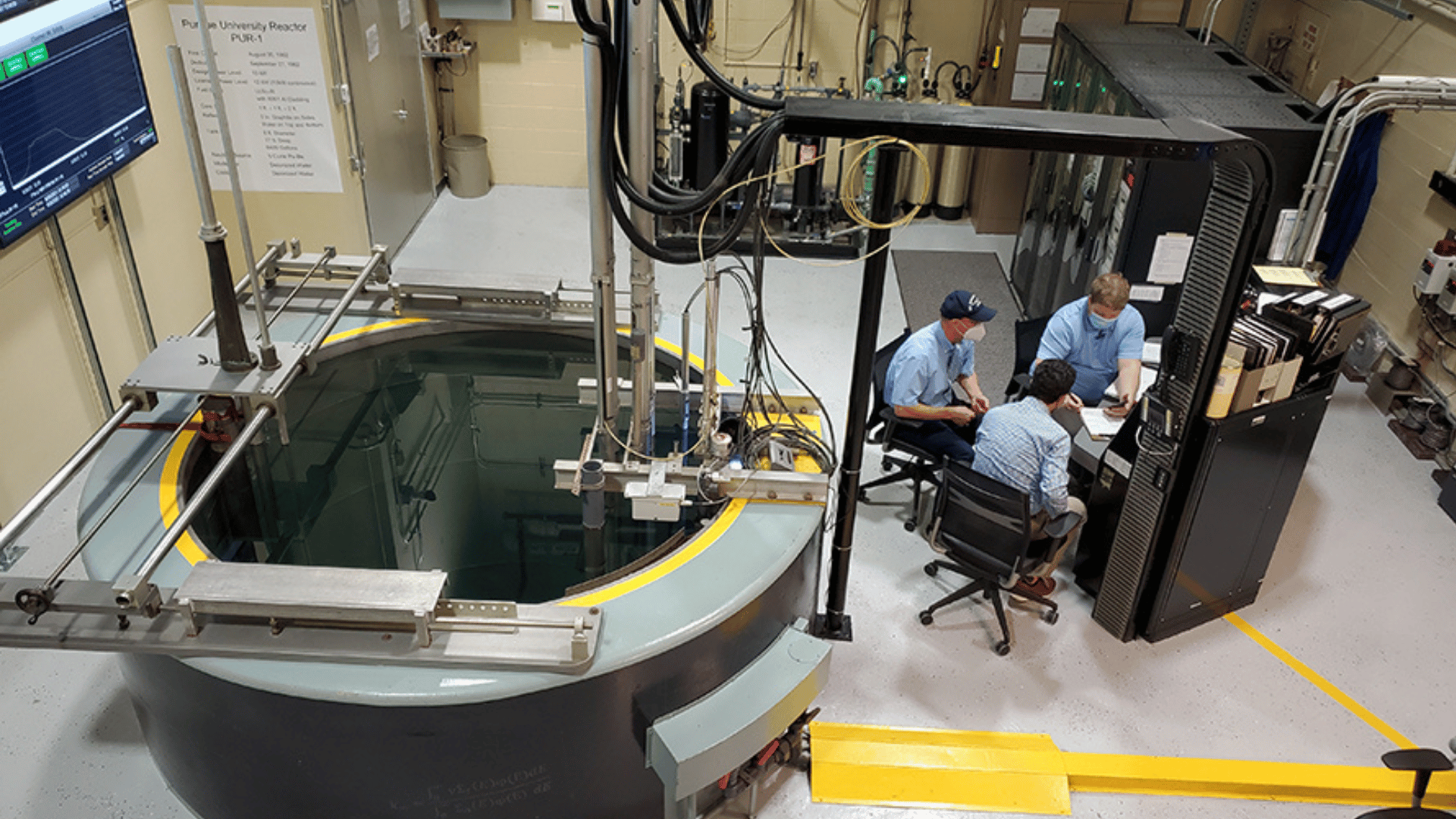
Electricity in nuclear power plants is produced by a process known as nuclear fission. This process uses uranium fuel, which is compressed into small ceramic pellets. These fuel pellets are placed into fuel rods.
Inside the power plant’s reactor, the uranium fuel rods split. This process, known as fission, releases heat that is used to boil water and turn the water into steam.
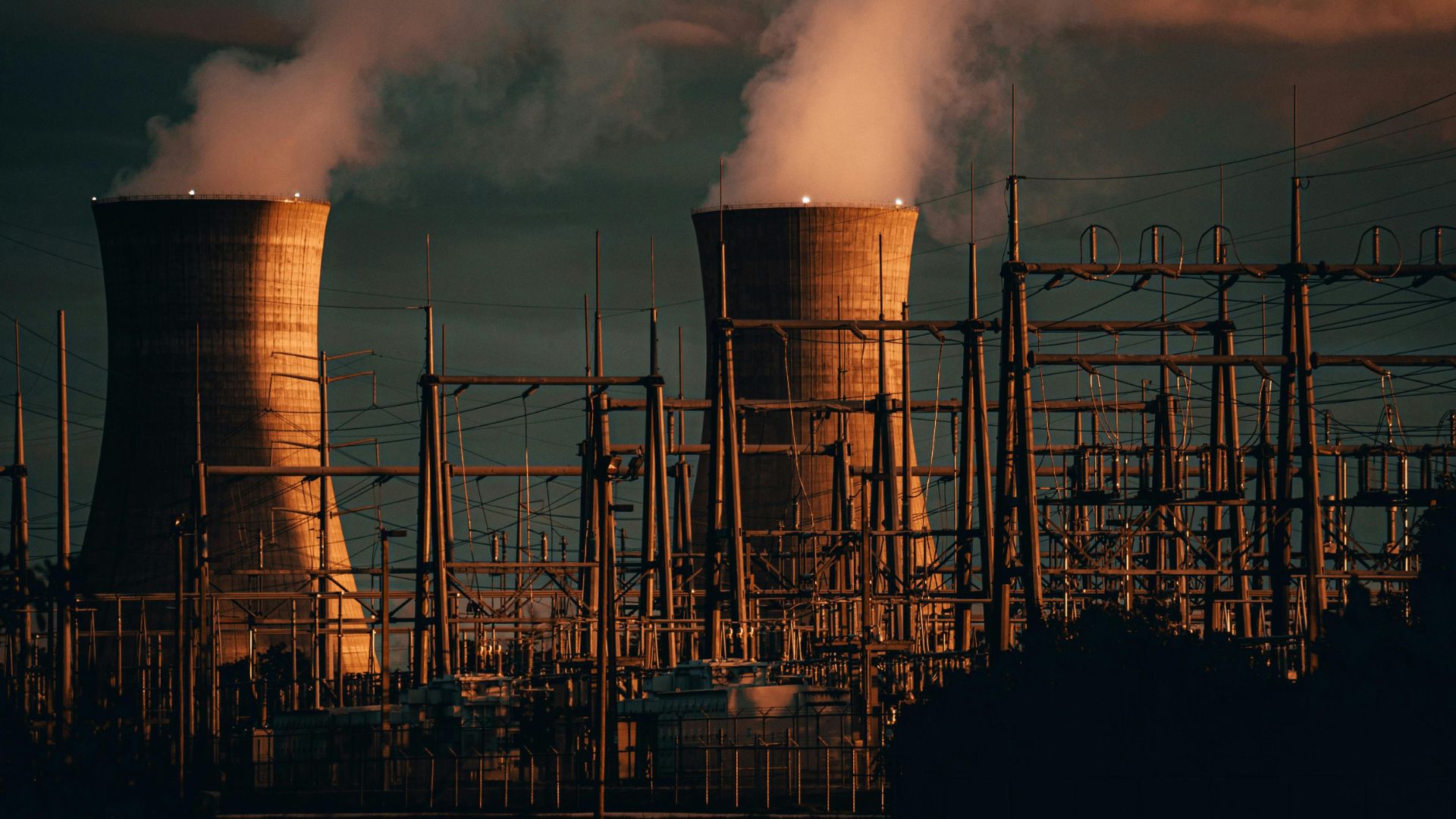
The steam’s energy spins a turbine, which powers a generator to supply electricity to homes, schools, hospitals, and businesses.
While the process may sound complicated, it is actually similar to that of other power plants. The major difference between nuclear power and other types of power plants is the source of heat they generate. While other power plants burn fuels like coal or natural gas, nuclear power plants generate the heat needed to produce steam and spin the turbines.
Advertisement
Why Do Countries Use Nuclear Power?
There are several reasons why countries use nuclear power. One of the main reasons is that the power plants can operate continuously without interruption. Unlike solar or wind power plants, they are not affected by the weather.
Because nuclear power plants emit very low amounts of greenhouse gases, countries use them to help lower their carbon emissions.
Nuclear power does come with challenges. Building a nuclear power plant is a lengthy and expensive process, often taking years and costing billions of dollars. Additionally, spent fuel from these plants requires secure storage. To prevent the release of dangerous radiation, nuclear facilities are equipped with numerous safety systems.
Where Is Nuclear Energy Headed?
The nuclear power plant industry is changing. Small modular reactors (SMRs) are being constructed by various companies. These types of reactors are built faster and in smaller sections than traditional nuclear power plants. Additionally, various researchers are working on different nuclear reactor designs that would be more efficient and produce fewer waste byproducts.
Not only are these technologies still being developed, but they also look into the future of nuclear power. As the demand for electricity increases and countries seek reliable power plants with low carbon emissions, nuclear power will remain a topic of discussion in the years to come.
 Read Exclusive Stories
 Bookmark & Save Articles For Later