Three countries are teaming up to expand the world generates nuclear energy. At the NATO Summit in Ankara, Türkiye, the U.S. , Japan, and South Korea signed a new agreement to accelerate the rollout of small modular reactors (SMRs) in other nations, starting with the Indo-Pacific region. This interconnected region encompasses over 40 countries and major maritime chokepoints where the majority of global commerce flows daily
SMRs are smaller, more flexible nuclear reactors than the massive plants we are used to seeing. This new partnership aims to help partner countries meet their growing power needs safely.
Working Together for Better SMRs
The U.S., Japan, and South Korea each bring different strengths to the table. By working together, they plan to help their nuclear companies build these reactors in groups or “fleets.” This approach helps lower project risks, cuts down costs, and attracts private money. It also makes licensing faster and helps fix supply chain issues.
Advertisement
With this setup, companies from the three nations can offer better options to countries that need energy. And they plan to do this while keeping the highest standards for safety and security as the new tech rolls out.
To kick things off, the United States is putting up more than $10 million. This money goes to the State Department’s FIRST program, which stands for Foundational Infrastructure for Responsible Use of Small Modular Reactor Technology. The cash will fund technical support, project development, and a new regional training hub to teach the future nuclear workforce.
Expanding SMRs to Europe
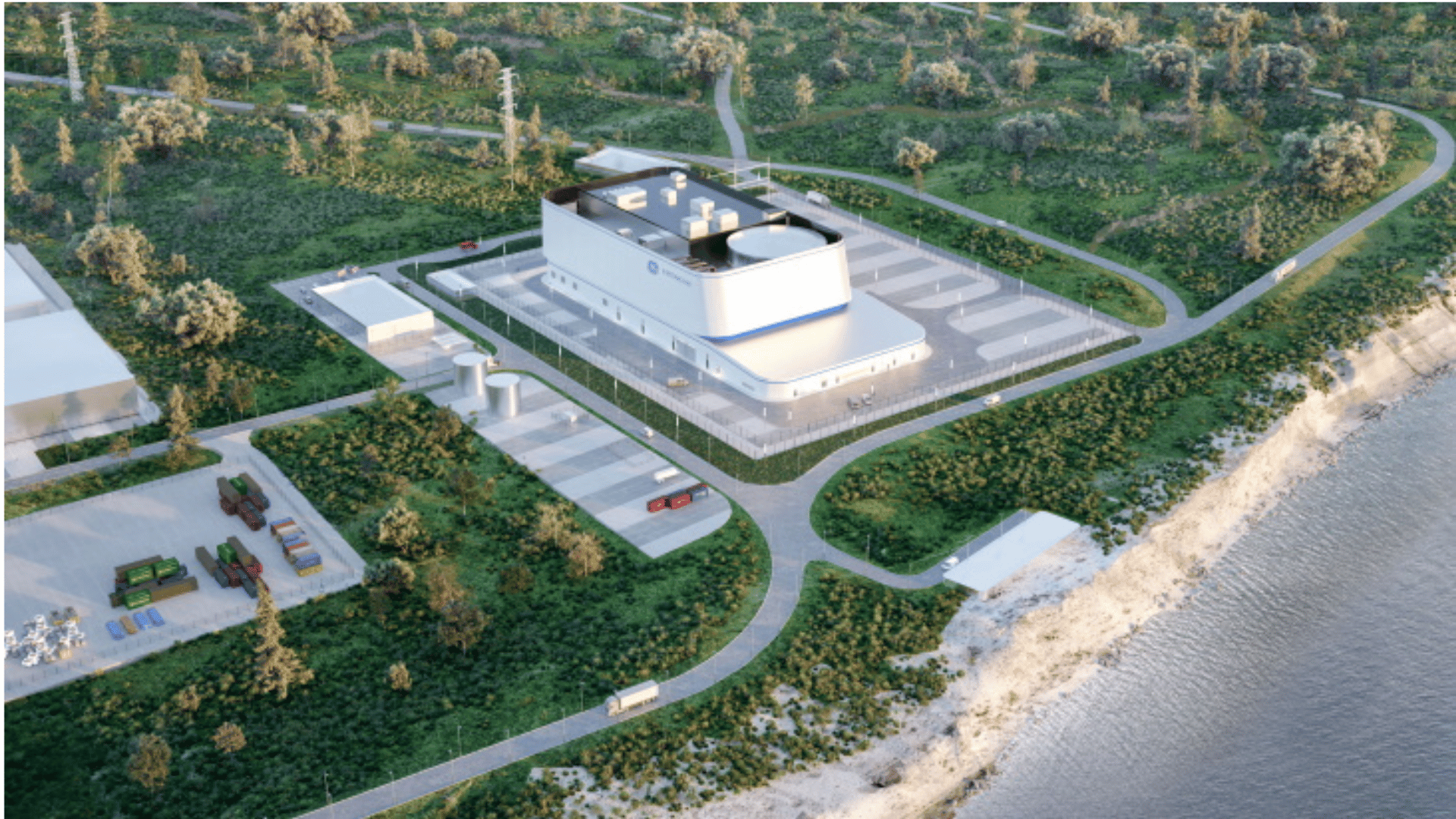
Nuclear energy companies are also stepping up. GE Vernova, Hitachi, Samsung C&T, and SGE recently agreed to bring a specific small reactor model, the BWRX-300, to Europe.
This corporate team-up matches the goals of the new government agreement. It links governments and private businesses to make global energy supplies more secure.
 Read Exclusive Stories
 Bookmark & Save Articles For Later