Geothermal energy is simply heat from the earth. By drilling wells, sometimes just a few feet deep, sometimes miles down, into underground reservoirs, we can bring hot water and steam up to the surface.
Geothermal Energy Powers the Grid and Heats Homes
Over the last six decades, the U.S. has used this underground heat to generate electricity. Boise, Idaho, have used it to heat buildings since 1892. But now, next-generation tech like enhanced geothermal systems is expanding how we use it.
Deep underground, fluid flows through hot rocks and absorbs the heat. We pull that fluid up, and the heat turns into steam to spin turbines and make electricity.
This might work for you at home, too. Geothermal heat pumps use the ground to balance temperatures. When it’s hot outside, the ground absorbs your home’s excess heat. When it’s cold, the ground acts as a heater. This can cool a single house, or handle district heating for an entire community.
We can also pipe hot water straight from deeper wells for direct use. People use it for fish farming, running greenhouses, and drying paper or lumber.
A 24/7 Supply
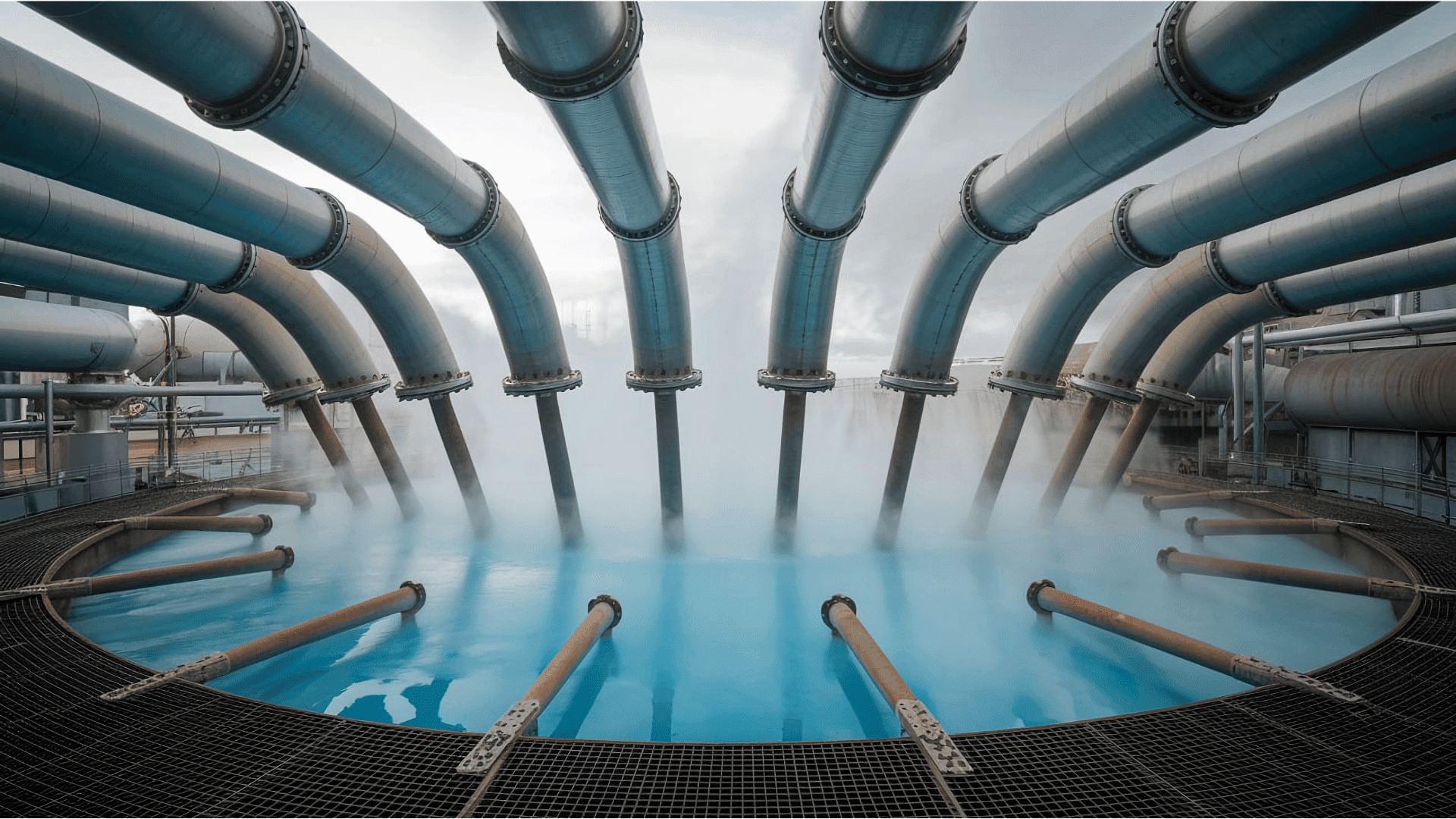
What makes geothermal energy so unique is that it doesn’t depend on the weather like other renewable energy sources. Geothermal plants run 24 hours a day, 7 days a week. They can ramp up or slow down based on what the power grid actually needs. They can even provide power to rural, isolated communities where grid connections are tough to get.
According to the Department of Energy, by 2050, geothermal has the potential to generate 90 gigawatts of electricity in the U.S. It could also power heat pumps equivalent to 28 million homes.
Additionally, the salty brine used in these power plants contains lithium. We can extract this mineral right here at home to build batteries for electric vehicles. Geothermal energy can even support direct cooling for big data centers.
These plants use very little land compared to other power sources over a 30-year span, and they don’t rely on imported fuel. The heat underground naturally replenishes itself through decaying radioactive elements. As a result, it could be around for billions of years.
 Read Exclusive Stories
 Bookmark & Save Articles For Later