Calpine, a business unit of Constellation Energy, recently finished a 25-megawatt expansion project at The Geysers geothermal complex in Sonoma County, California. It builds on previous investments at the site, including a 38-megawatt energy storage system completed in 2024. This new capacity will generate enough electricity to power more than 25,000 homes each year.
Expanding Geothermal Energy
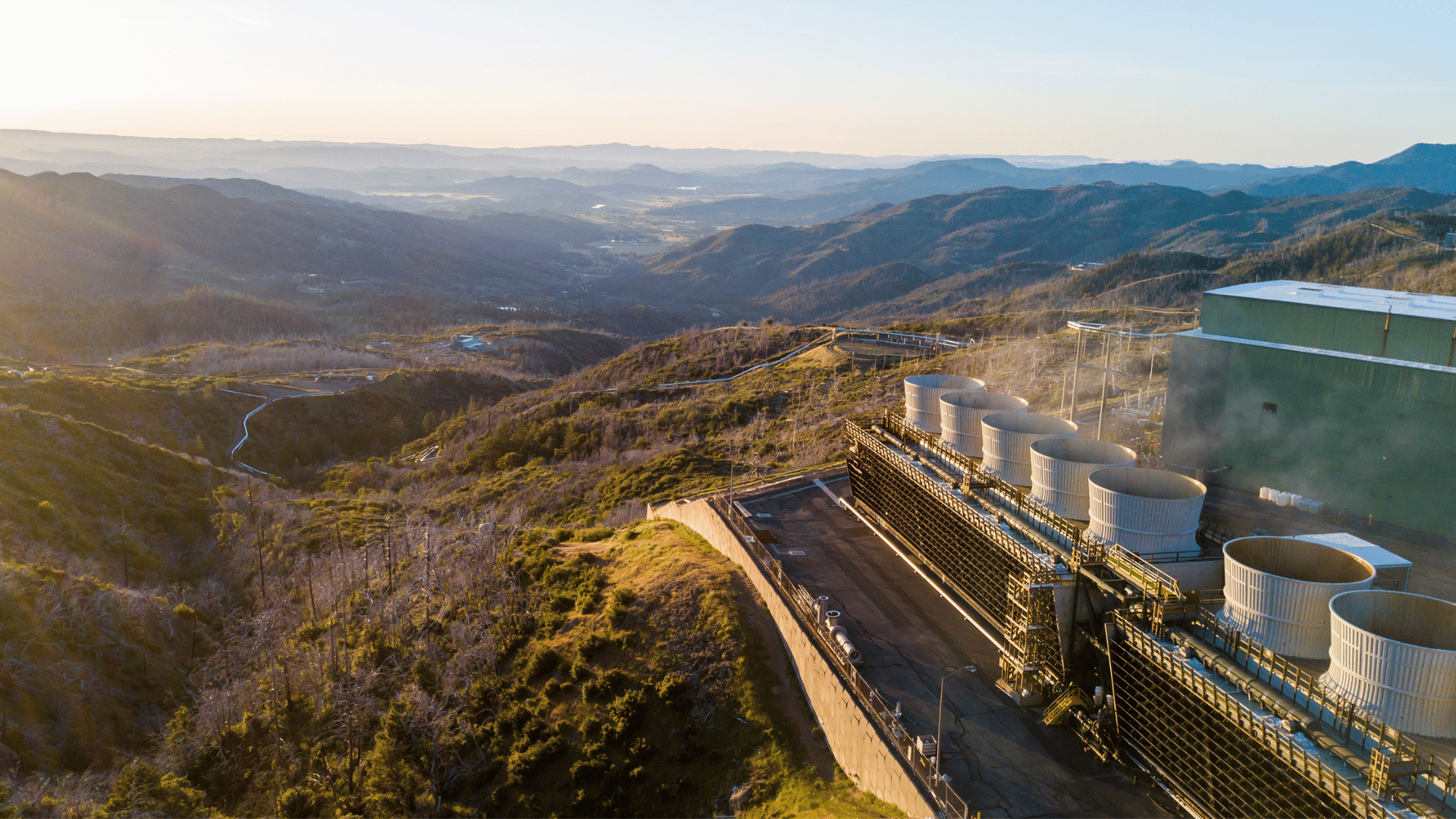
The Geysers is the world’s largest operating geothermal complex. It taps into natural steam reservoirs deep beneath the earth’s surface, acting as a critical source of baseload clean energy in California. Geothermal energy is a significant source for clean energy because it operates continuously regardless of the weather or time of day.
“As California’s electricity demand continues to grow, investments in reliable, around-the-clock renewable energy are more important than ever,” said Aimee Blaine, senior vice president of Calpine’s geothermal region. “The Geysers is one of the nation’s most important geothermal resources, and this expansion reflects our commitment to strengthening grid reliability while advancing California’s clean energy goals.”
Advertisement
Spreading the Energy
The Geysers has provided clean geothermal energy across California for over 65 years. This new expansion aims to spread that energy to different regions. For example, out of the 25 megawatts, 18 megawatts will go to the Clean Power Alliance to serve customers across Southern California. The remaining 7 megawatts were brought online last year and are currently being supplied to MCE to support Bay Area residents and businesses.
“Clean Power Alliance is committed to delivering dependable clean energy to our customers, and geothermal power plays an important role in providing around-the-clock renewable electricity,” said Matthew Langer, chief operating officer, Clean Power Alliance. “Partnerships like this strengthen California’s clean energy future while supporting a more resilient and sustainable grid.”
The recent expansion was completed under a Project Labor Agreement with local labor unions to build critical piping infrastructure. This ensured the work was completed by a highly skilled craft workforce under strong labor standards.
 Read Exclusive Stories
 Bookmark & Save Articles For Later