The Fourth of July is easily the loudest, brightest day on the American calendar. It’s all about backyard barbecues, fireworks, and a massive amount of noise. But it wasn’t always the polished show we see today. If you want to understand how we celebrate now, you have to look back at how things used to be.
John Adams famously predicted the day (he originally thought it would be July 2nd) would be marked with “Pomp and Parade, with Shews, Games, Sports, Guns, Bells, Bonfires and Illuminations from one End of this Continent to the other from this Time forward forever more.”
He wasn’t kidding. Early celebrations were rough. People didn’t just sit on lawn chairs; they fired guns and rifles into the air and banged on kitchen pots and pans. It was the original soundtrack of independence: a loud, messy way for a new nation to tell the world it had arrived.
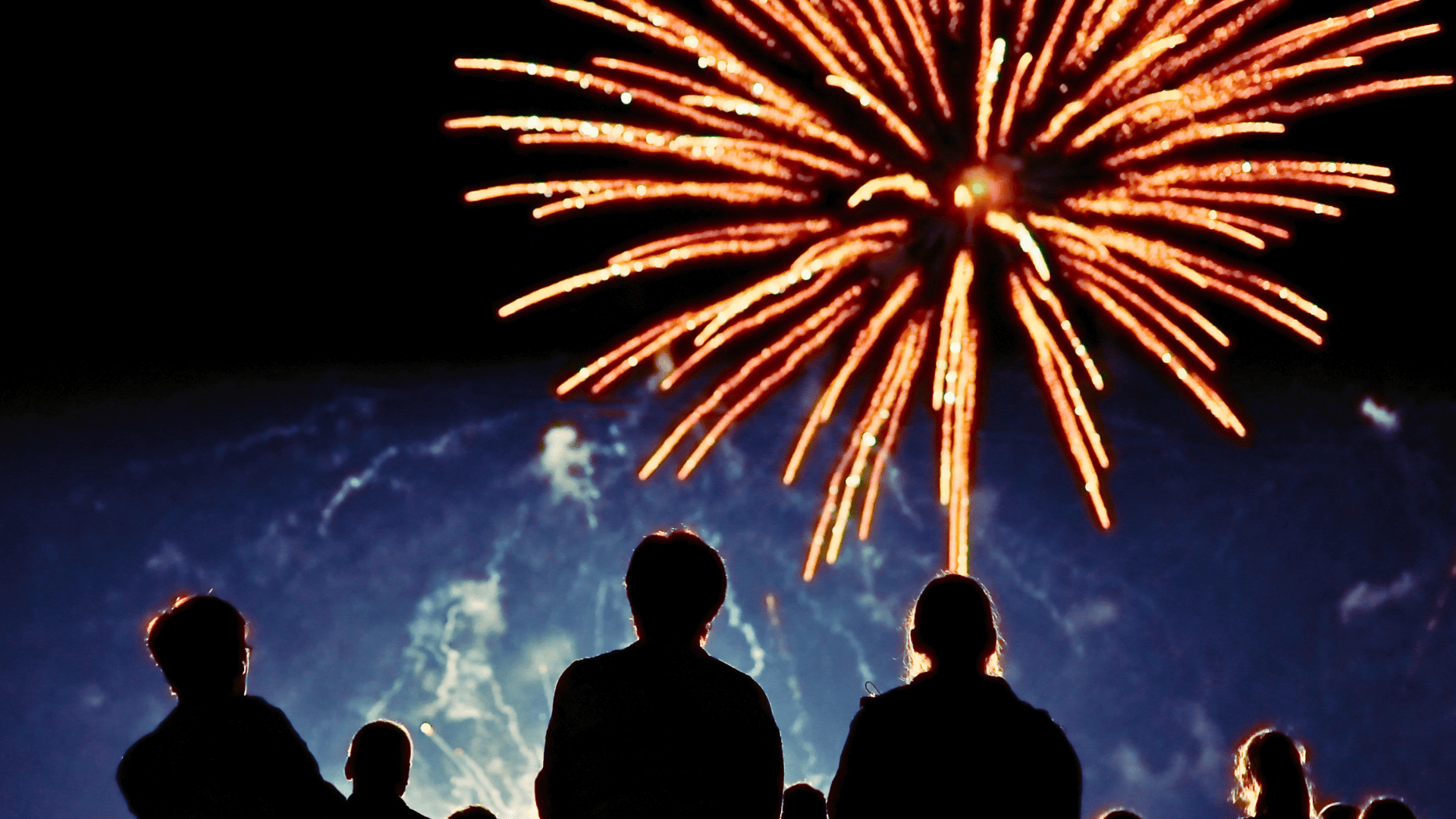
Then, there were the “illuminations.” Fireworks didn’t start in the United States. They began in ancient China as a way to scare off evil spirits with gunpowder. Later, European royalty used them to flex their power during big celebrations. When they finally made it to America, they weren’t just pretty lights. They were proof that we had made it. Early American fireworks weren’t the high-tech shows we see now. They were often put together by local amateurs, making the displays loud, bright, and, honestly, a little dangerous.
As the country grew, that wild, frontier energy started to settle down. By the mid-20th century, the celebration moved to the backyard. The big public gatherings shifted into the classic American picnic, a slower day built around family, neighbors, and the grill (Americans consume around 150 million hot dogs on the 4th of July alone).
A Changing Celebration
Advertisement
The noise didn’t go away, but it became much more organized. Even so, we still love looking up at the sky each and every 4th of July.
For a long time, celebration fireworks were the only way to do that. But things are starting to shift. Drone light shows are now replacing traditional, big firework displays.
It’s a giant change. These shows trade the physical punch of gunpowder for the exact, programmed flight of LED-equipped robots. It’s safer, mesmerizing, eco-friendly, and it allows for shapes and stories in the sky that a regular firework could never replicate. These synchronized aerial displays allow cities to paint intricate, patriotic animations among the stars, creating an unforgettable and modern experience for spectators of all ages.
From the accidental chemistry of old gunpowder to the computer code driving today’s drones, our celebration tools have changed a lot. But the instinct is the same. We are a group of people who refuse to let the sun go down on our independence without making a scene. Whether it’s the heavy thump of a shell hitting the night air or the quiet hum of a thousand machines working together, we will always find a way to light up the dark. It is just one way we mark the day.
 Read Exclusive Stories
 Bookmark & Save Articles For Later