Researchers at the Purdue Institute for Cancer Research want to fix the slow process of finding new cancer fighting drugs. A team of them built a new automated system that combines making chemicals, testing them, and analyzing the results in a single setup.
The automated system mostly relies on a mass spectrometry technology called DESI-MS. With this technology, researchers can take a testing process that usually takes weeks and finish it in four hours.
“Drug discovery is a fight against probability. You’re searching through enormous biological space and even larger chemical space trying to find the right molecule for the right target,” lead author Nicolás Morato explained. “If you can’t make compounds fast enough and test them fast enough, it becomes a battle you’re going to lose.”
Fixing the Disconnect
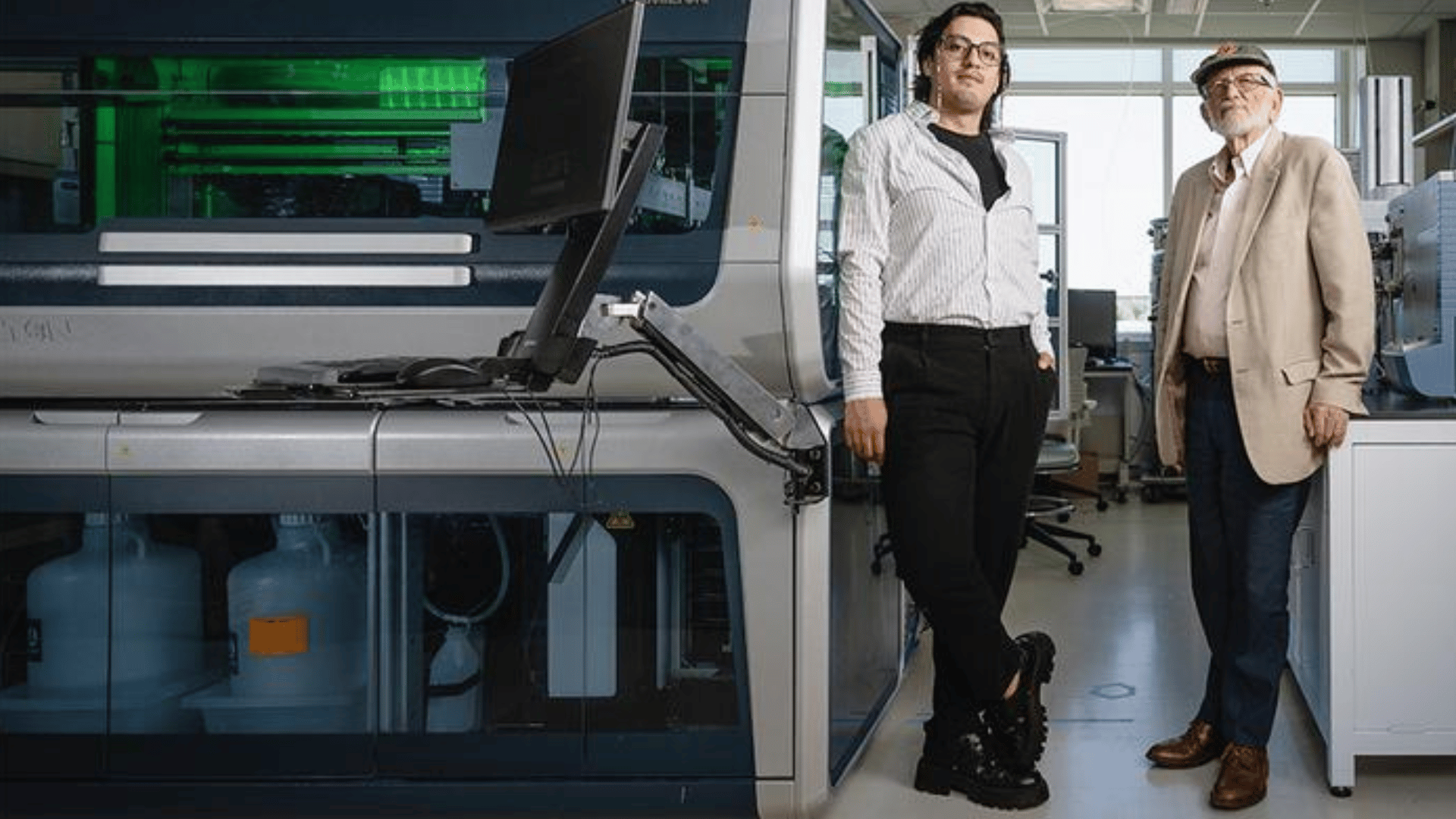
Historically, drug discovery is made up of teams that are mostly disconnected from each other. For example, biologists test the targets while chemists make the compounds. According to the researchers, the problem is how much the chemistry slows the process down.
“If you walk through a chemistry building late at night, the lights that are still on are probably organic synthesis labs,” Morato said. “You still see flasks on heating plates waiting overnight for reactions. Meanwhile, biology has evolved into highly automated, instrumentation-driven science. There’s been a disconnect between those worlds.”
Advertisement
This new system closes that gap, and it stops researchers from wasting time on bad leads. In one recent project, the platform quickly proved a heavily studied compound simply wasn’t interacting with a cancer target as expected.
“It was difficult because people had invested years of work into it,” Morato said. “But the platform immediately showed us the compound wasn’t doing what we thought it was doing. That allowed the project to change direction much faster instead of continuing to lose time.”
Speed Matters in Drug Discovery
Purdue chemist R. Graham Cooks points out that it all comes down to speed, which is also the main issue in the drug discovery field.
“The Achilles’ heel of drug discovery is its low speed,” Cooks said. “This platform increases the speed of several distinct aspects of drug discovery.”
Andrew Mesecar, a director at the institute, highlighted the long-term payoff of making things faster.
“The new DESI-MS platform enables researchers to rapidly screen tens of thousands of molecules against newly identified cancer targets to identify promising therapeutic candidates,” Mesecar said. “Every year we eliminate from the drug development process means we will get new drugs to patients faster and extend their lives.”
 Read Exclusive Stories
 Bookmark & Save Articles For Later