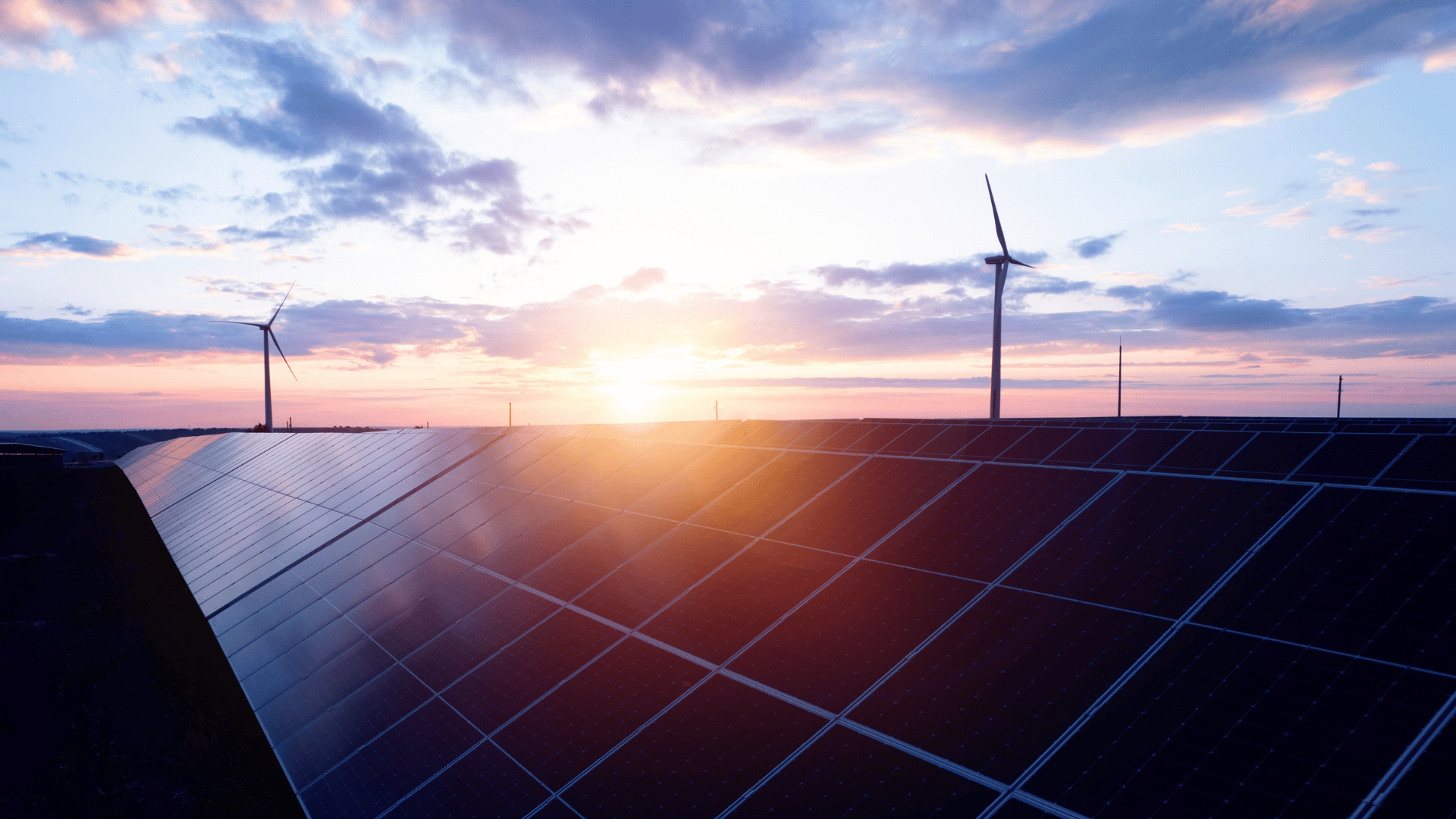
For 75 years, workers at An old coal mine in Minonk, Illinois extracted coal. Today, those same 40 acres are covered in 16,950 solar panels that produce clean energy for the local power grid.
The two new solar farms, built by TurningPoint Energy and operated by Nexamp, produce a combined 9.8 Megawatts of power. This solar farm is a certified brownfield project, meaning it puts damaged land back to life.
From Coal to Solar
Additionally, the solar project is one of the first systems in the region to use Distributed Energy Resource Management Systems (DERMS).
DERMS could be compared to a smart traffic controller, but for electricity. Because solar power changes with the weather, the grid needs a way to balance things out in real time. This software helps ComEd manage that power flow smoothly so the grid stays reliable.
Advertisement
More than 650 local households have already signed up for the program, including 200 low-income families who will see lower energy bills. Large institutions are pitching in too, like Rush University Medical Center, which signed on as a major subscriber.
Ian Hughes, the director of environmental sustainability at Rush, points out that the benefits go far beyond just saving money on electricity.
“Community solar is preventative medicine—it reduces harmful emissions, improves the air quality in vulnerable communities, and moves us closer to the healthier, more sustainable future our patients deserve,” Hughes said.
Bringing an Old Coal Mine Back to Life
Local leaders are excited to see the old mine become useful again. Minonk Mayor Russell Ruestman noted that the land used to represent the community’s history with fossil fuels, but now it represents a clean energy future.
By combining domestic manufacturing with smart grid software, the Minonk project shows a practical way forward for updating our energy infrastructure without leaving local workers behind.
 Read Exclusive Stories
 Bookmark & Save Articles For Later