Refik Anadol has been talking about the intersection of data and art for years. While there was some discussion of its construction plans last year, DATALAND will officially be opening its doors in Los Angeles on June 30, 2026. Located within the Grand LA building by Frank Gehry, DATALAND is the world’s first museum dedicated to AI-driven media art.
What is a “Living” Museum?
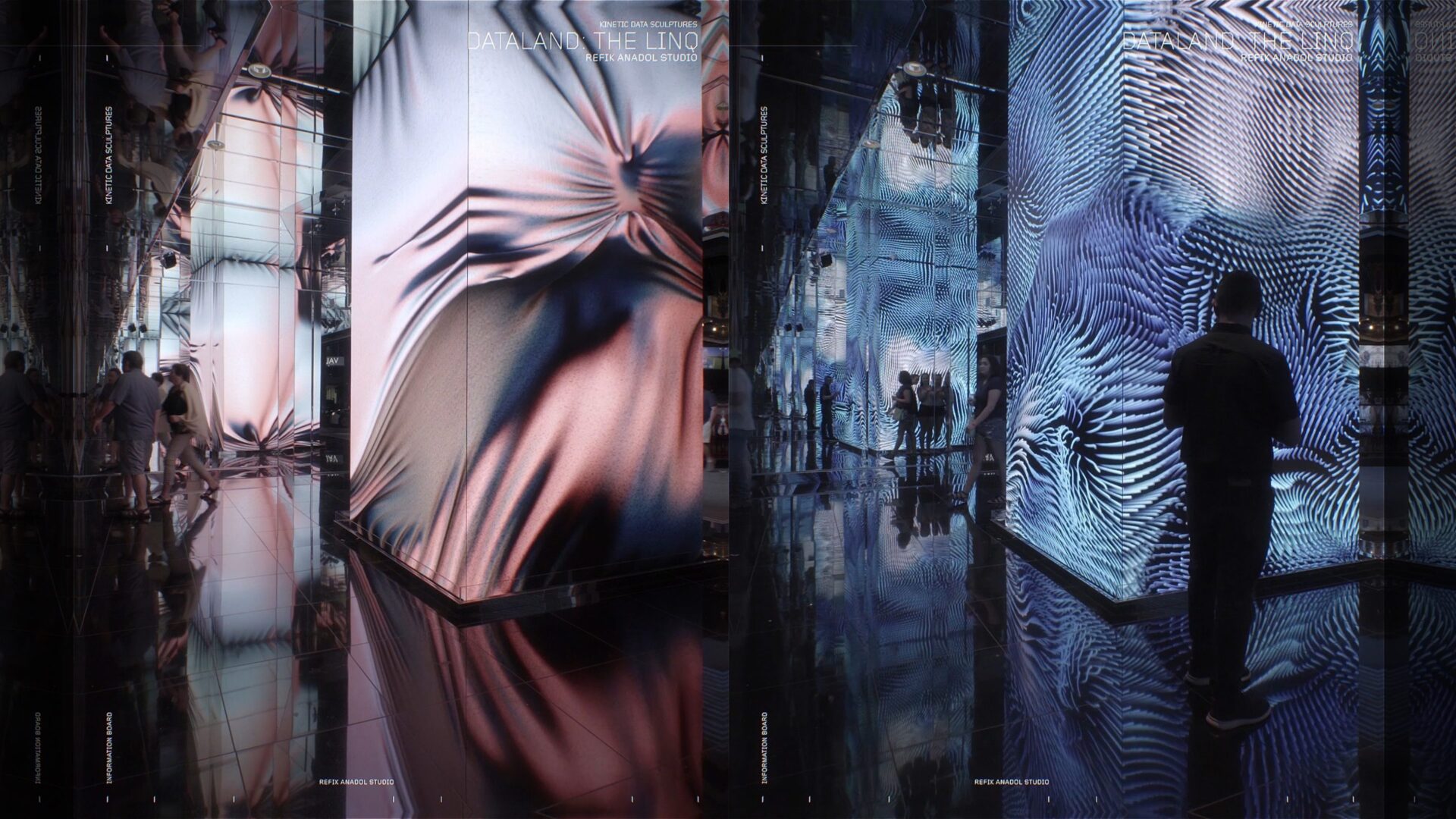
Most museums exist as time capsules for the past. DATALAND, however, is filled with data sculptures created by artist Refik Anadol and his team. The sculptures use massive amounts of data from the natural world and feed it into machine learning models. The result is art that reacts to its environment in real time. For example, some sculptures display data from locations such as the Pacific Ocean or from forests and their botanical elements. This type of art allows audiences to experience data they cannot see with their own eyes and continuously changes the art as new data from the elements depicted in the art pieces is added.
Advertisement
The Human Side of the Machine
Many people are discussing the role of AI in the art world and whether or not it will one day replace artists. However, DATALAND is a museum that exists as a collaboration between artists and artificial intelligence. Anadol and his team spend months gathering data from various aspects of the natural world and training these machines to understand aesthetic concepts. The AI almost seems to have a memory and an understanding of the art created for it; it is as if it has its own paintbrush. Thus, DATALAND demonstrates the intersection of technology and art in a way previously impossible for the human hand alone.
Why This Matters for the Future
While DATALAND may seem like just another museum for the art world to visit, it marks a shift in how technology and audiences interact with digital data. Moreover, because the data used at the museum comes from the natural world and the world we live in, the museum helps connect its audience to the planet and the environment through technology – ironically, the thing that often distracts them from the planet and its natural elements. Overall, then, it is a sign of the future of the art world and the relationship between “creation,” artists, and computers. Both can be used to create outstanding work.
 Read Exclusive Stories
 Bookmark & Save Articles For Later