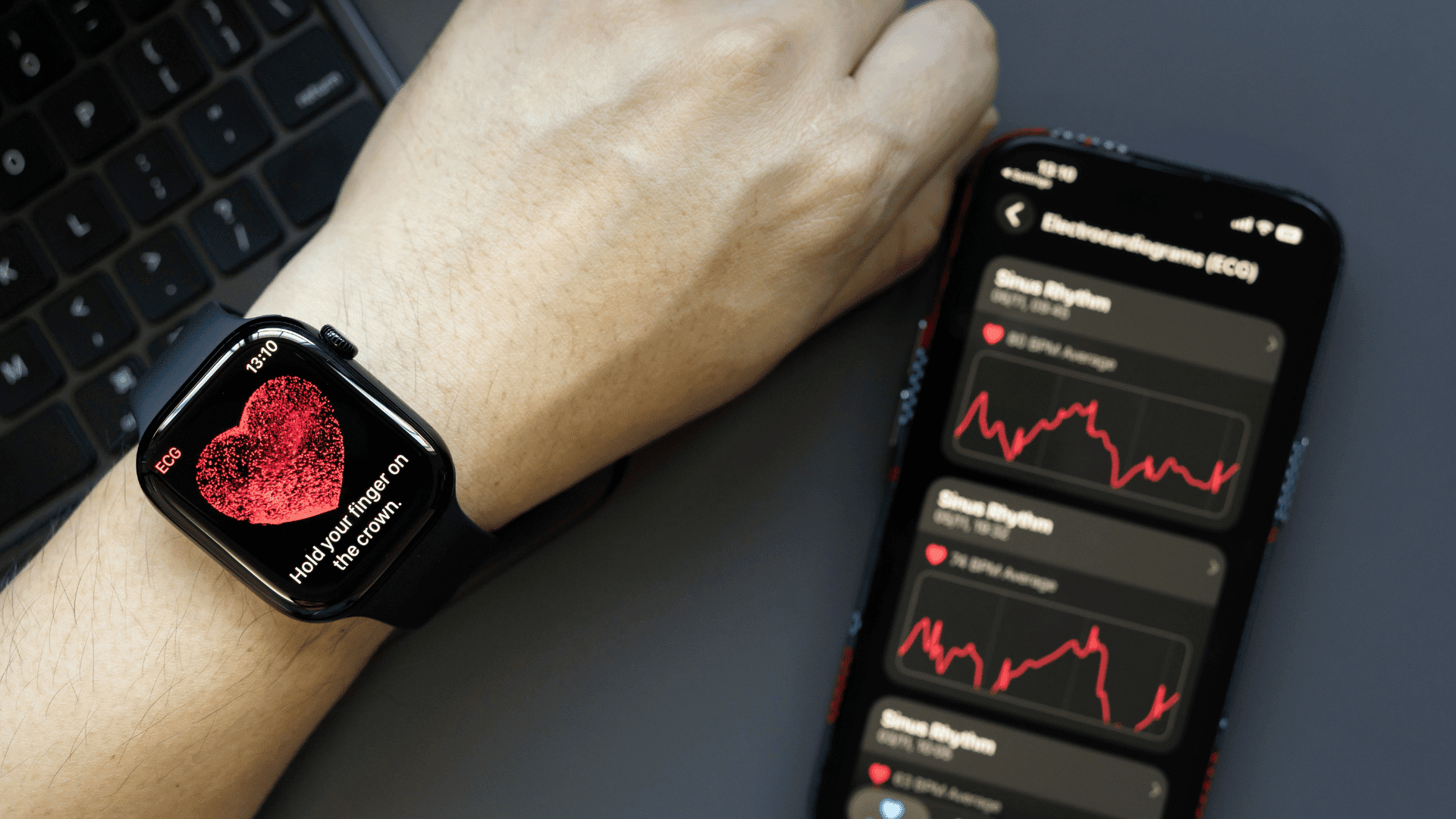
A watch that can tell if your heart stops sounds could be a game-changing device. New research suggests that we are getting closer to making it a reality. A study published today in the journal Circulation: Arrhythmia and Electrophysiology shows that a smart wristband could be able to automatically detect cardiac arrest. This could mean faster medical help when every second counts.
Quickly Detecting Heart Problems
The study, called DETECT‑1b, looked at 49 adults in the Netherlands. These patients already had abnormal heart rhythms and were undergoing a routine medical procedure. During the procedure, doctors briefly induced a dangerous, life-threatening heart rhythm.
The wristband uses light-based sensors to track blood flow in the wrist. When the heart stops pumping blood, the device’s algorithm takes notice. It caught cardiac arrest events 92% of the time, including 100% of ventricular fibrillation cases and 90% of pulseless ventricular tachycardia cases.
“Our findings are important because many out-of-hospital cardiac arrests are unwitnessed. A smart technology wristband capable of automatically detecting cardiac arrest and triggering an alert could function as a digital witness,” said study senior author Judith Bonnes, M.D., Ph.D., a cardiologist at the Radboud University Medical Center. “With the device automatically notifying emergency services or nearby trained responders, help could arrive sooner, which may significantly improve survival chances.”
Advertisement
Making the Wearable Commercially Available
While many commercial smartwatches have similar sensors, they are not set up to find cardiac arrest. This new algorithm is designed for continuous, everyday monitoring.
“This is the first study to externally validate such an algorithm using patient data, which is an important step toward developing a reliable detection system for real-world use,” said lead study author Roos Edgar, M.Sc., a technical physician at Radboud University Medical Center.
The ultimate plan is to link the wristband directly to emergency dispatch and volunteer responder networks. If someone collapses, the band would call for help immediately.
However, the device has its limitations. For example, the test happened in a controlled hospital room, not during a normal busy day. Additionally, in over 125 hours of recording, the device flagged nine false alarms.
Experts say more testing is needed, especially since the device still needs to be validated against other common types of cardiac arrest. Still, the early numbers are promising for the future of wearable health tech.
 Read Exclusive Stories
 Bookmark & Save Articles For Later