The mystery of a shiny golden orb found at the bottom of the ocean has finally been solved. Originally discovered during the National Oceanic and Atmospheric Administration’s Seascape Alaska 5 expedition, a deep-sea dive into the Alaska waters in 2023.
Ocean Mystery Solved
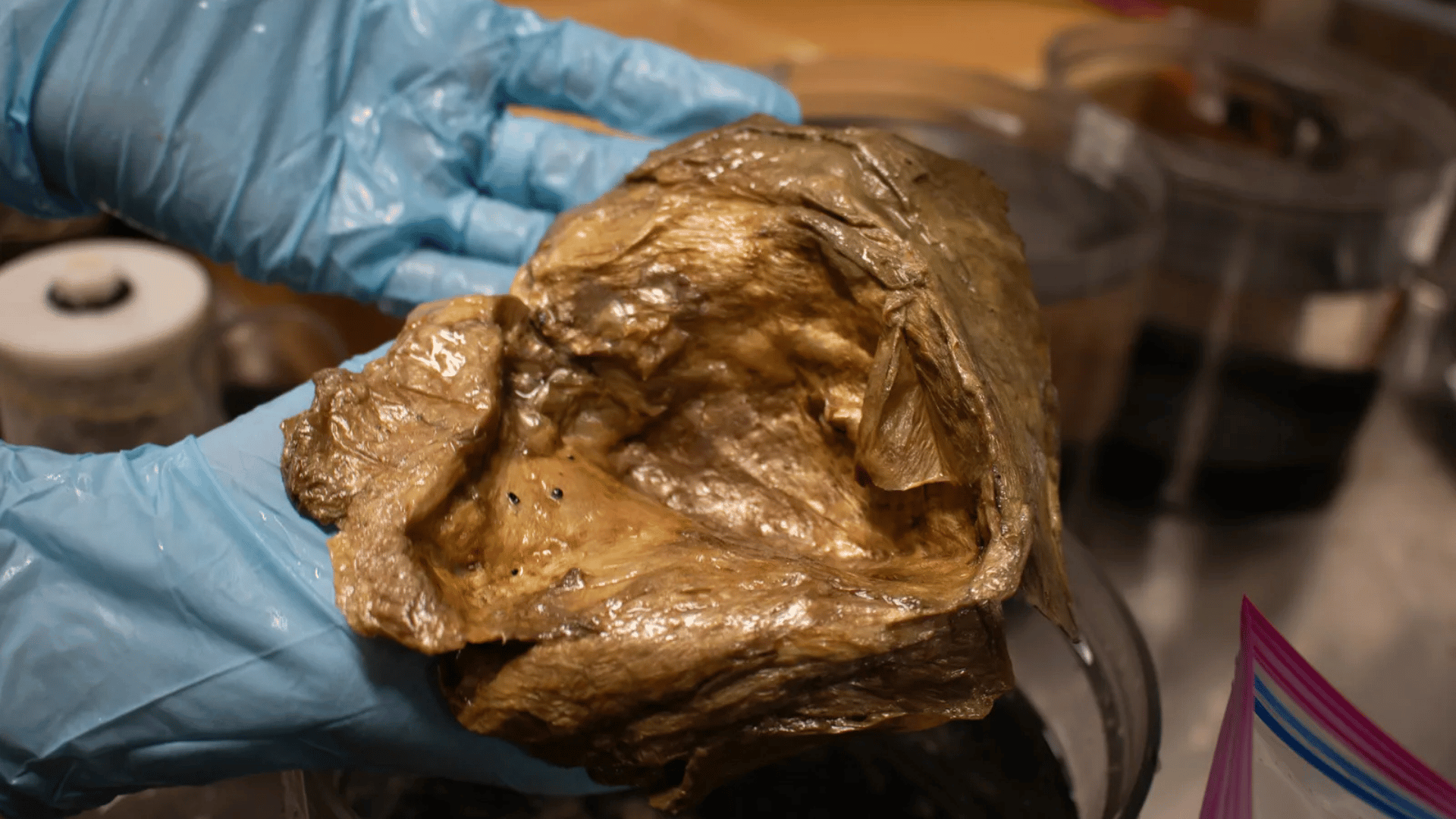
The soft object was stuck to a rock about 2 miles below the surface of the Pacific Ocean. Using a suction attachment, the remotely piloted vehicle carried the object to the ship waiting on the surface, the Okeanos Explorer. Upon closer inspection, researchers were unable to identify the object.
“Everyone was like, ‘What the heck? What is that?’” Allen Collins, a zoologist at the Smithsonian National Museum of Natural History in Washington, D.C., told Live Science.
Researchers theorized it could be an egg, a sponge, or a mat of microbes. Collins led an analysis that revealed that the orb is something secreted by a mysterious deep-sea creature called Relicanthus daphneae.
Advertisement
“The first thing we were looking for was gross anatomy,” he said. “Is there a mouth somewhere? Can we find muscles? The sort of thing that would tell us that it’s some particular kind of an animal. And we didn’t find any of that.”
Next, researchers put the object under a microscope and found that the tissue contained nematocysts, the stinging cells that define the Cnidaria phylum. This includes more than 11,000 species of aquatic invertebrates, such as jellyfish, hydroids, sea anemones, and corals. The stinging cells were spirocysts, which are unique to the Hexacorallia class, further narrowing down their search.
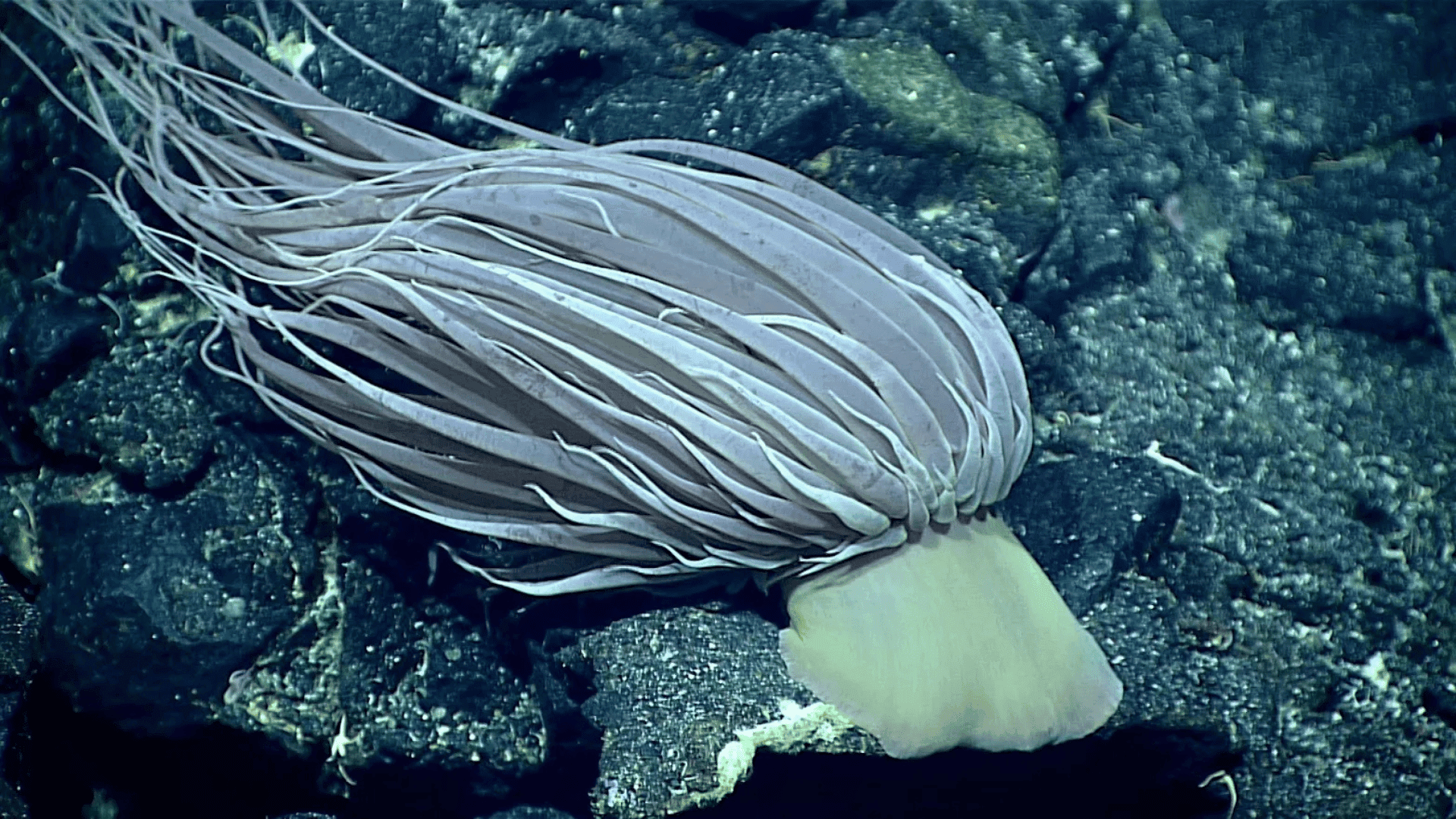
The team then tried genetic tests and found DNA from microbes and an anemone-like organism: R. daphneae. At this point, co-author of the study, Estefanía Rodríguez, curator of marine invertebrates at the American Museum of Natural History in New York, who had been studying R. daphneae specimens for many years, got involved in the research.
She realized the tissue was a cuticle, meaning the golden orb is the structure that an anemone secretes beneath it to cement itself to rock. The work is posted on the bioRxiv preprint server and hasn’t been peer-reviewed yet.
“It’s great to have an answer to what the ‘golden orb’ is, and as is often the case in the deep sea, it’s a surprise,” said Jon Copley, a marine ecologist at the University of Southampton in the U.K. “From its looks alone, we didn’t guess it would be the remnants of an anemone-like animal.”
 Read Exclusive Stories
 Bookmark & Save Articles For Later