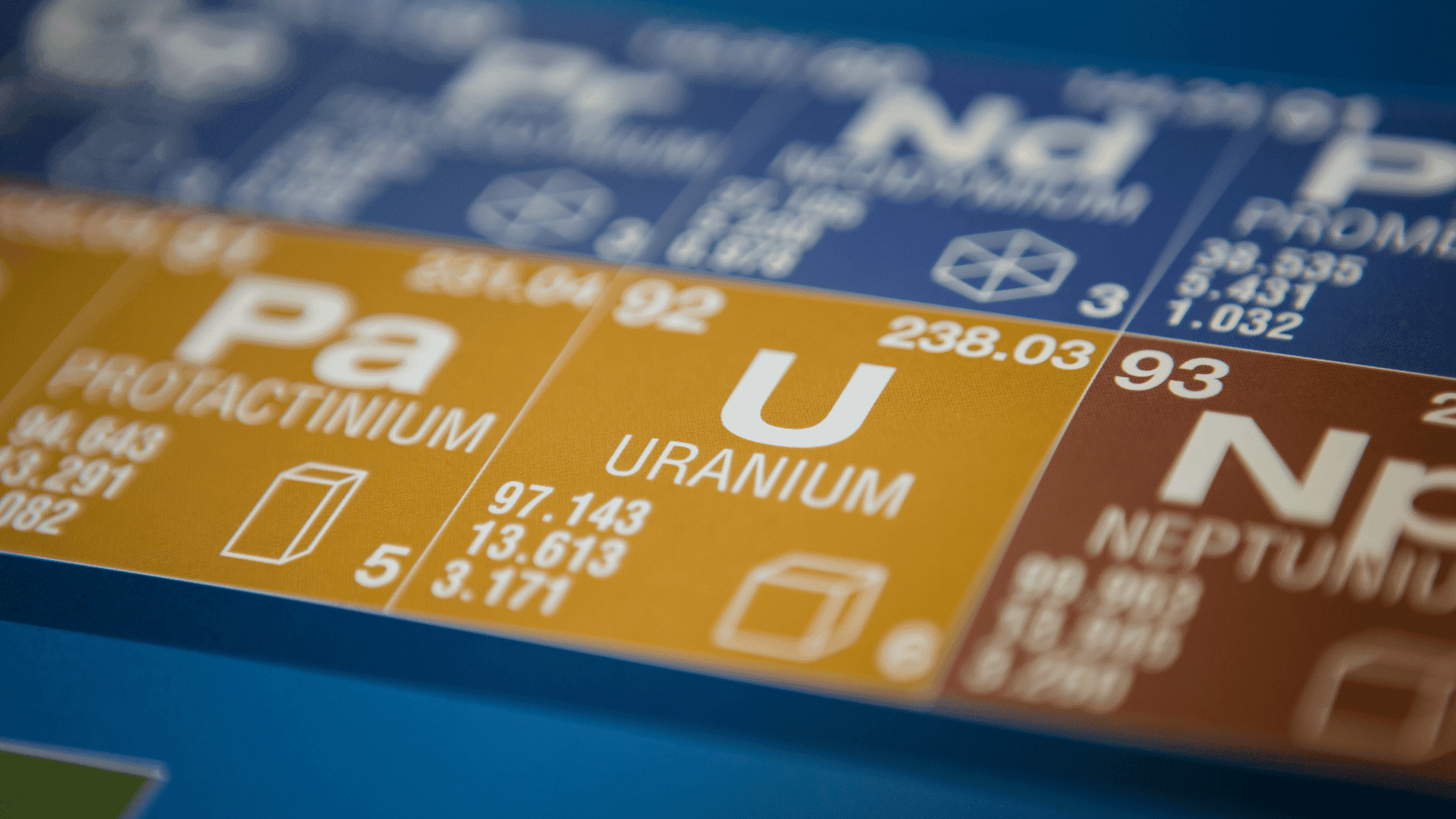
Uranium is a significant answer to the need for more energy. Ur-Energy recently reached a major milestone in the effort to dig for more. The company just started mining operations at its Shirley Basin Project in Wyoming.
Shirley Basin is known as the birthplace of “in situ recovery” (ISR) mining. It has been a long road to get here, but after finishing construction and getting the right permits in place, the project is officially up and running.
Mining Uranium
The team is currently pulling uranium-bearing solution from what they call “Mine Unit 1.” Right now, they are conditioning the wellfield, so the concentration of uranium should go up as more of the system comes online.
The plan is to capture the uranium on something called ion exchange resin. Then, they truck that resin over to their other facility, Lost Creek, to finish the job. This involves processing, drying, and packaging the final product. If everything goes well with the final regulatory checks, those shipments should start moving this summer.
Advertisement
The project is licensed to produce up to 2 million pounds of uranium a year. Based on what they’ve found in the ground so far, the company expects the mine to stay active for about nine years.
A Growing Domestic Supply
Bringing this site back online is a major part of the company’s plan to grow. By adding Shirley Basin to their existing operations, Ur-Energy is now a much bigger player in the U.S. uranium market.
“Launching initial operations marks a pivotal achievement in Ur-Energy’s growth strategy and plan to expand U.S. uranium production capacity. Two years ago, we committed to building out this project,” said Matt Gili, the CEO and President. “Today, we have successfully brought a historically significant uranium district back to life, demonstrating disciplined execution of our strategy.”
This accomplishment reflects the dedication and expertise of our teams, who have advanced Shirley Basin from development to operations,” he added. “It is particularly meaningful as it supports the growing need for secure, domestic uranium supply and underscores our ability to move permitted projects toward production while strengthening our role in the U.S. nuclear fuel cycle.”
With two active projects in Wyoming, the company now has a total licensed capacity of 4.2 million pounds.
 Read Exclusive Stories
 Bookmark & Save Articles For Later