The year 2036 probably won’t look like something out of a movie, but your driveway will definitely change. Based on where Toyota is headed, the next 10 years will be about giving drivers real options, not making everyone drive the same kind of car.
Today, many people worry about how far an electric car can go and how long it takes to charge. However, the goal in ten years is for solid-state batteries to be widely available. Toyota has spent years developing safer batteries that charge in about ten minutes instead of an hour. Because they are more efficient, cars can be lighter and less expensive since you won’t need a huge, heavy battery just to drive 300 miles.
Better Batteries and Home Backup
Advertisement
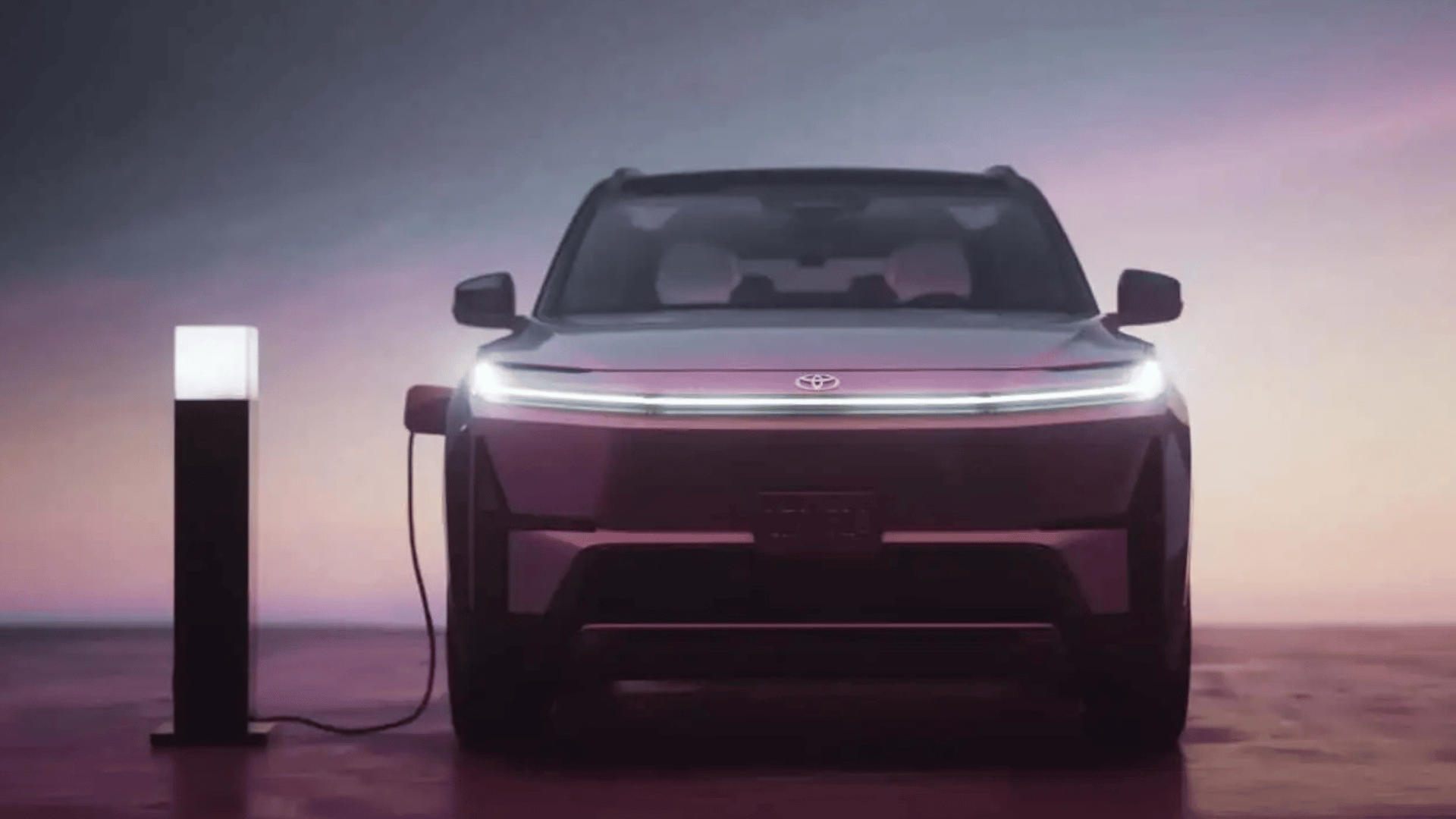
Charging will also become much simpler. We’re heading toward easy “plug and forget” systems, but the biggest change is bi-directional charging. This means your car can not only take in power, but also send it back. If a storm cuts your electricity, the Toyota EV can act as a big battery for your home. It could keep your fridge running and your lights on for days. At that point, a car is becomes part of your home’s power system.
Electric vehicles have great potential, but they aren’t perfect for every need yet. That’s why hybrids and plug-in hybrids (PHEVs) will still be available. By 2036, a Toyota PHEV could give you 100 miles of electric driving before the gas engine turns on. For most people, that means you could go months without stopping at a gas station, but still have the engine ready for long trips where chargers are hard to find.
Cost is the last big factor. As more batteries are made and materials become easier to get, the price difference between gas and electric cars will almost go away. You won’t have to spend more just to choose a greener option.
Whether it’s a pure EV, a hydrogen sedan, or a super-efficient hybrid, the goal is simple: making sure the car fits your life. It is less about the gadgets and more about making sure you can get where you need to go without worrying.
 Read Exclusive Stories
 Bookmark & Save Articles For Later