If you’ve ever been to a beach in Florida in the summer, you’ve likely seen the brown seaweed known as sargassum. This year, the Great Sargassum Belt is expected to be among the largest ever recorded in the nation’s history. While this has typically meant a multimillion-dollar headache for the local counties, researchers are looking to use this seaweed.
Finding a Hidden Ingredient
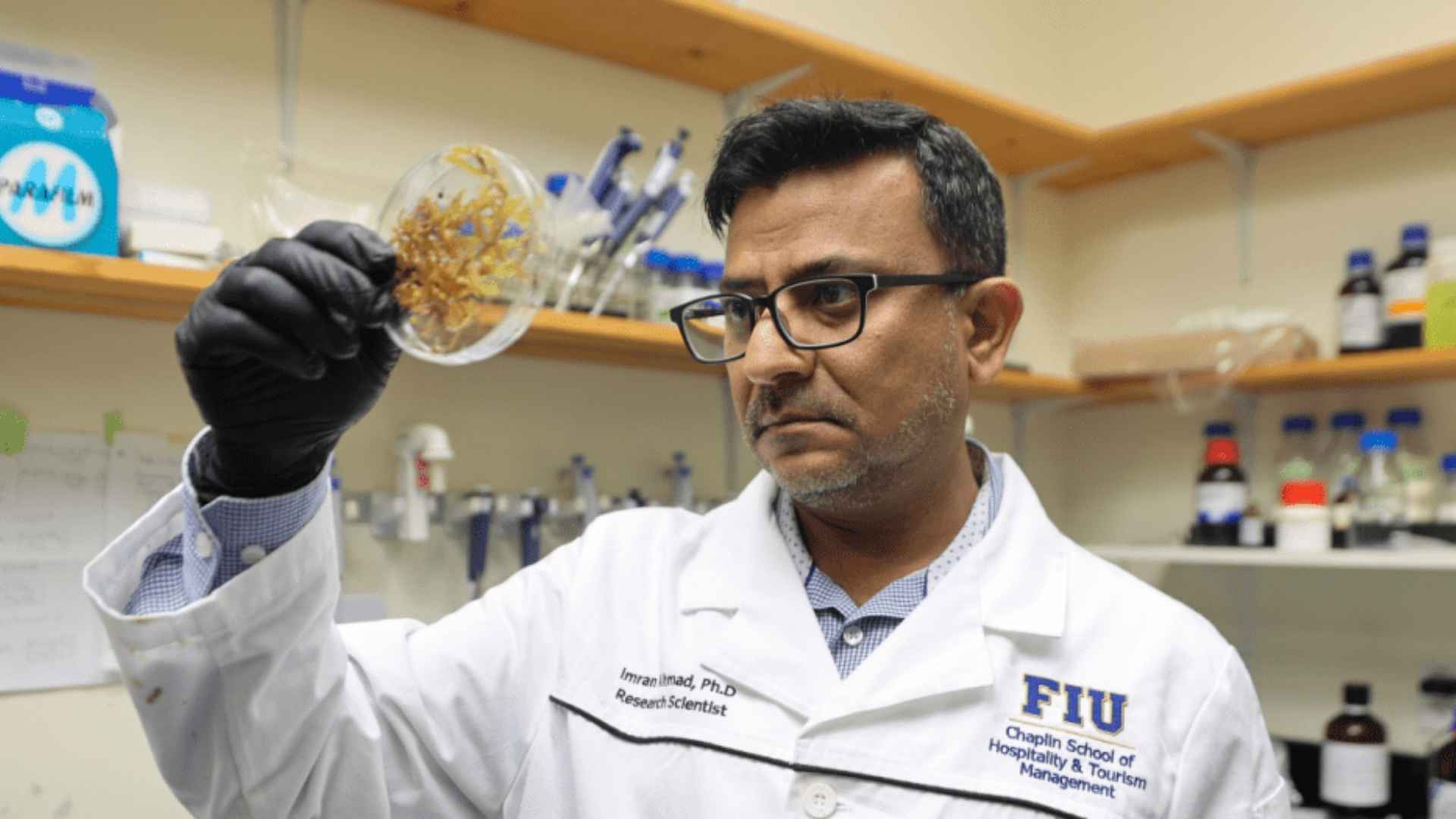
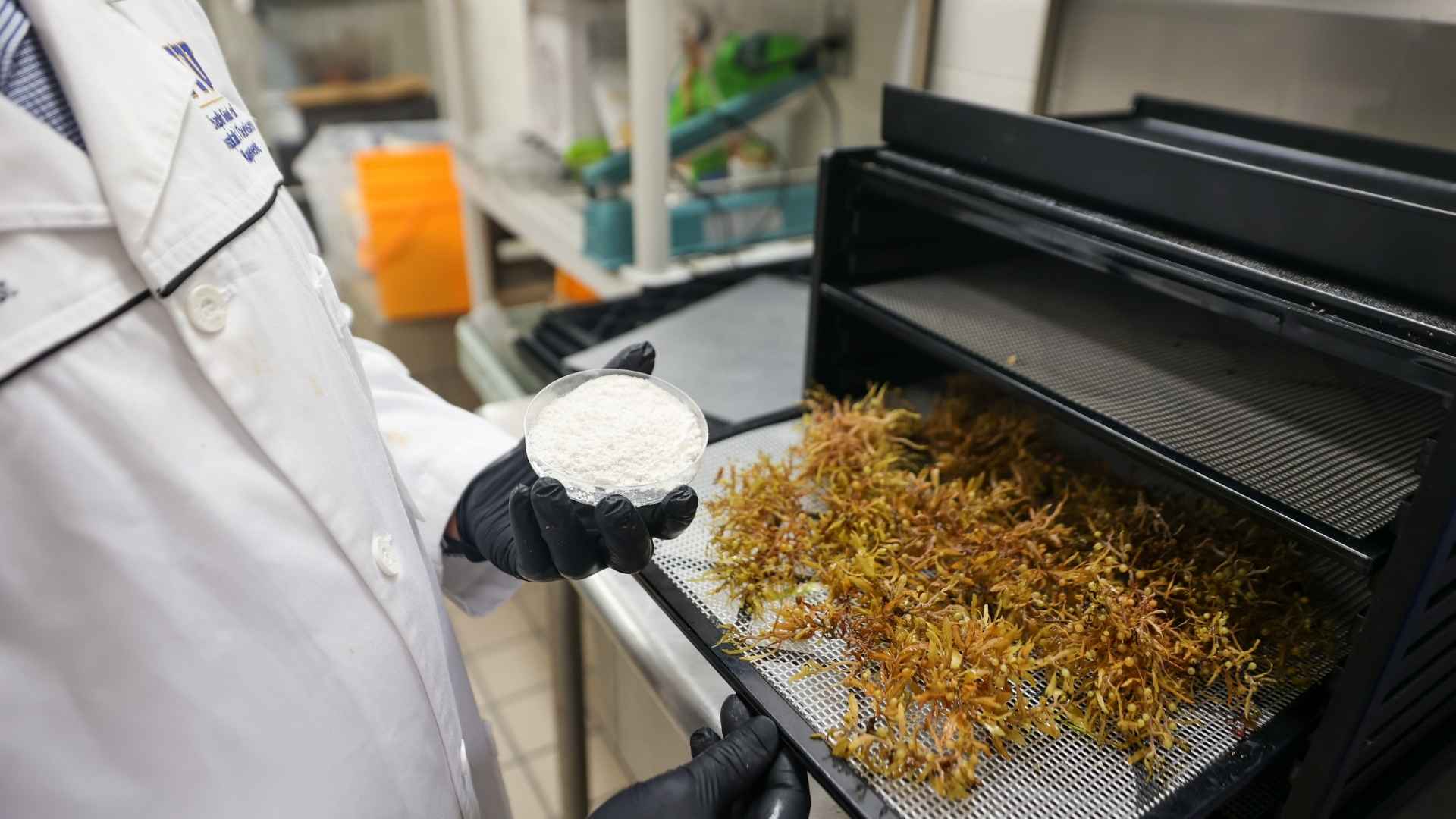
Sargassum contains a substance called alginate. Alginate is a substance used in many processed foods to provide texture. Most of the alginate used in the world comes from kelp deep in the ocean’s depths. Using sargassum is easier as it naturally washes up on the shore.
Making it Safe for the Table
The seaweed that comes off the beach is not considered food-grade. It may contain heavy metals or parasites. To kill these harmful elements, researchers are using High-Pressure Processing (HPP). This process uses extreme pressure to kill harmful bacteria without exposing the seaweed to heat that would destroy its beneficial components.
Advertisement
Why This Matters for the Future
By harvesting the sargassum seaweed for its alginate, humans will have created a circular economy. What was once considered a problem for the environment would become a beneficial product that creates value for the environment and helps clean up affected coasts.
Beyond the Kitchen
The leftover sargassum seaweed will also be used in other ways so that nothing from the seaweed goes to waste. The leftover material contains valuable nutrients that can be used for:
- Nutrient-rich fertilizer
- Eco-friendly building materials
- Renewable biofuel
- Nutritious animal feed
- Biodegradable packaging
Even though sargassum seaweed is a healthy addition to the alginate market, it will be a while before the FDA officially approves its use in grocery stores. However, the proof of concept is complete. By thinking a little more creatively about seaweed, what was once considered the smelliest environmental problem can be turned into a valuable resource for daily life.
 Read Exclusive Stories
 Bookmark & Save Articles For Later