One of the most important parts of hiking is your backpack. It’s difficult to enjoy a tranquil mountain vista or the symphony of forest sounds when your shoulders are sore or you’re running low on supplies. That’s where a good hiking backpack comes in. Choosing a daypack that’s not only good quality but also catered to your specific needs will allow you to truly enjoy your hikes as nature intended.
Prioritize Comfort
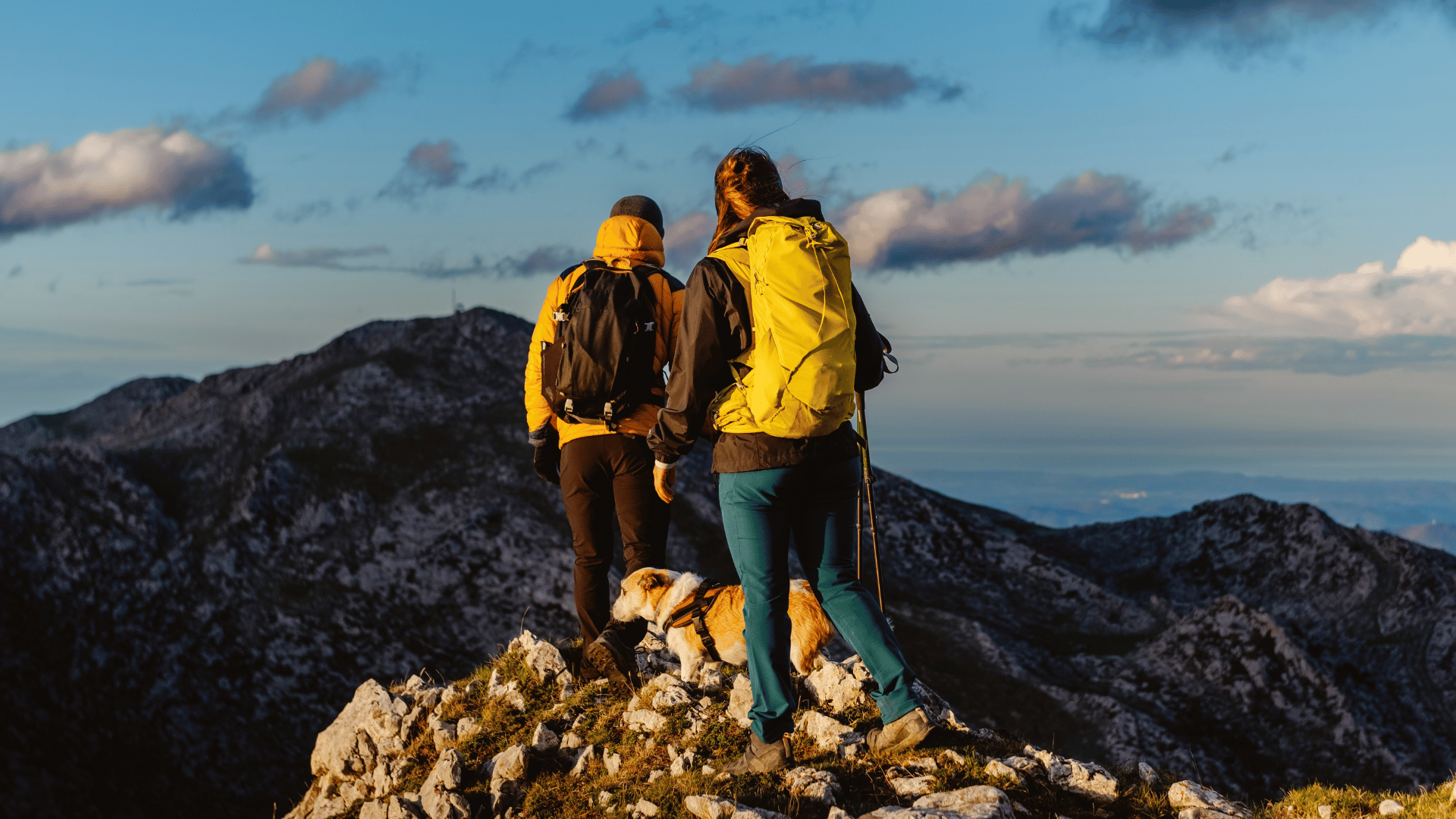
Comfort is important as hiking already involves pushing the body to its limits, so soreness from your pack can exaggerate that discomfort. Ensure your pack fits your body well and the straps aren’t maxed out in either direction. A hip belt will help to secure the load on your hips and take some of the pressure off your shoulders and neck. Most packs come in one size with a lot of room for adjustments, but experts recommend trying them out first before heading out for a long day on the trails.
A larger backpack will generally require more cushion, so look for padded shoulder straps and taut mesh or extra support in the back to soften the pressure of your gear. The pack should also be moisture-wicking, so look for suspended mesh or body-mapped cutouts that help promote airflow.
Capacity & Packability
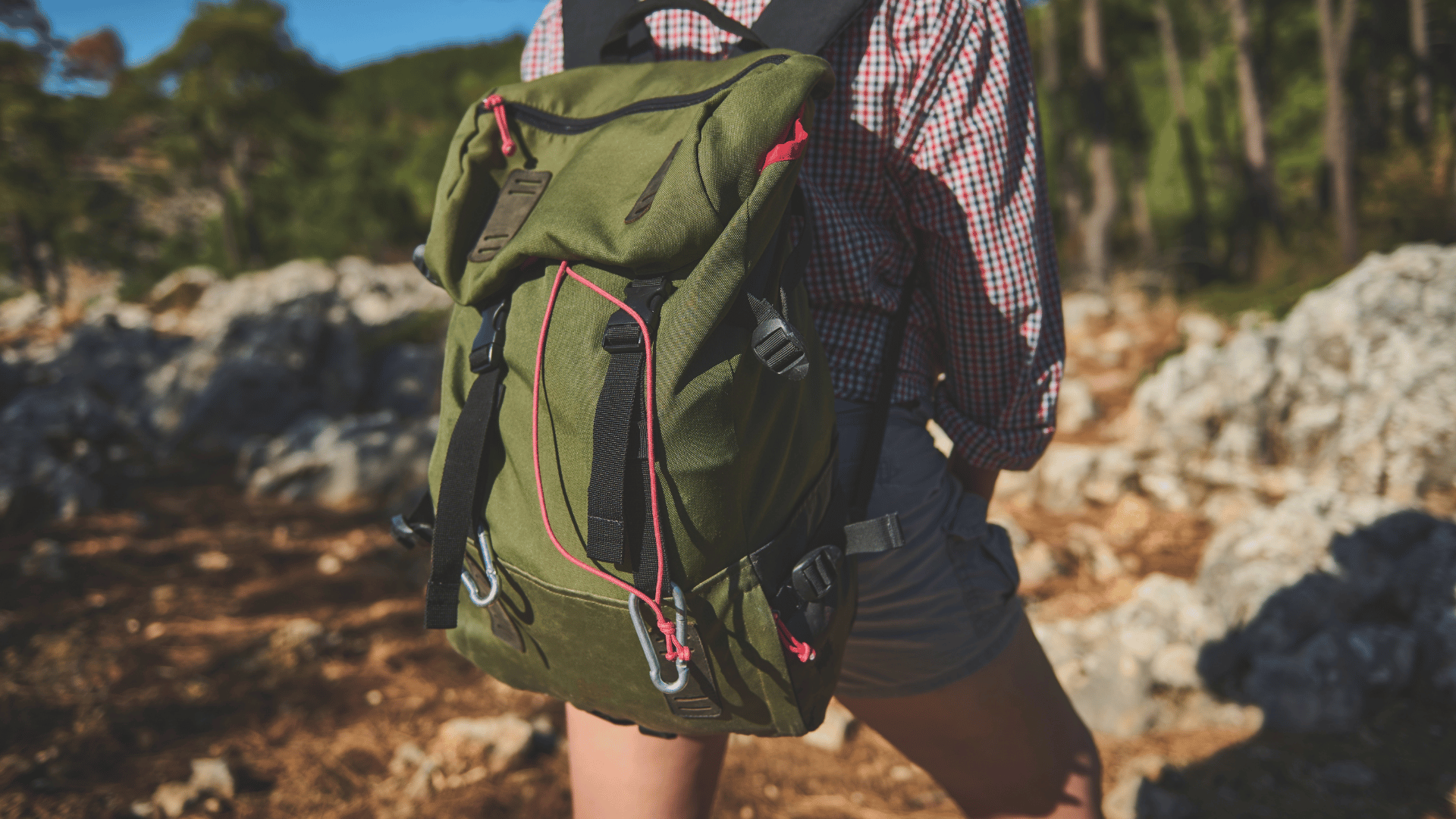
Hiking daypacks can range from 10 liters to 35 liters or more, but most day hikers can feel confident with something in the 20-liter range. Short hikes in moderate weather typically involve packing water, snacks, an extra layer, and a few small items. With longer hikes or hikes in inclement weather, however, you should look at packs within the 30 to 35-liter range, or more if you’ll be staying outdoors for multiple nights.
If you plan to travel with your daypack, as many vacations include day hike itineraries, find one that will pack down flat and doesn’t include a three-dimensional structured hip belt or internal frame. A lot of bags over 20 liters are built with lightweight internal frames that help support heavier loads with a hidden aluminum stay structure.
Plan For Hydration
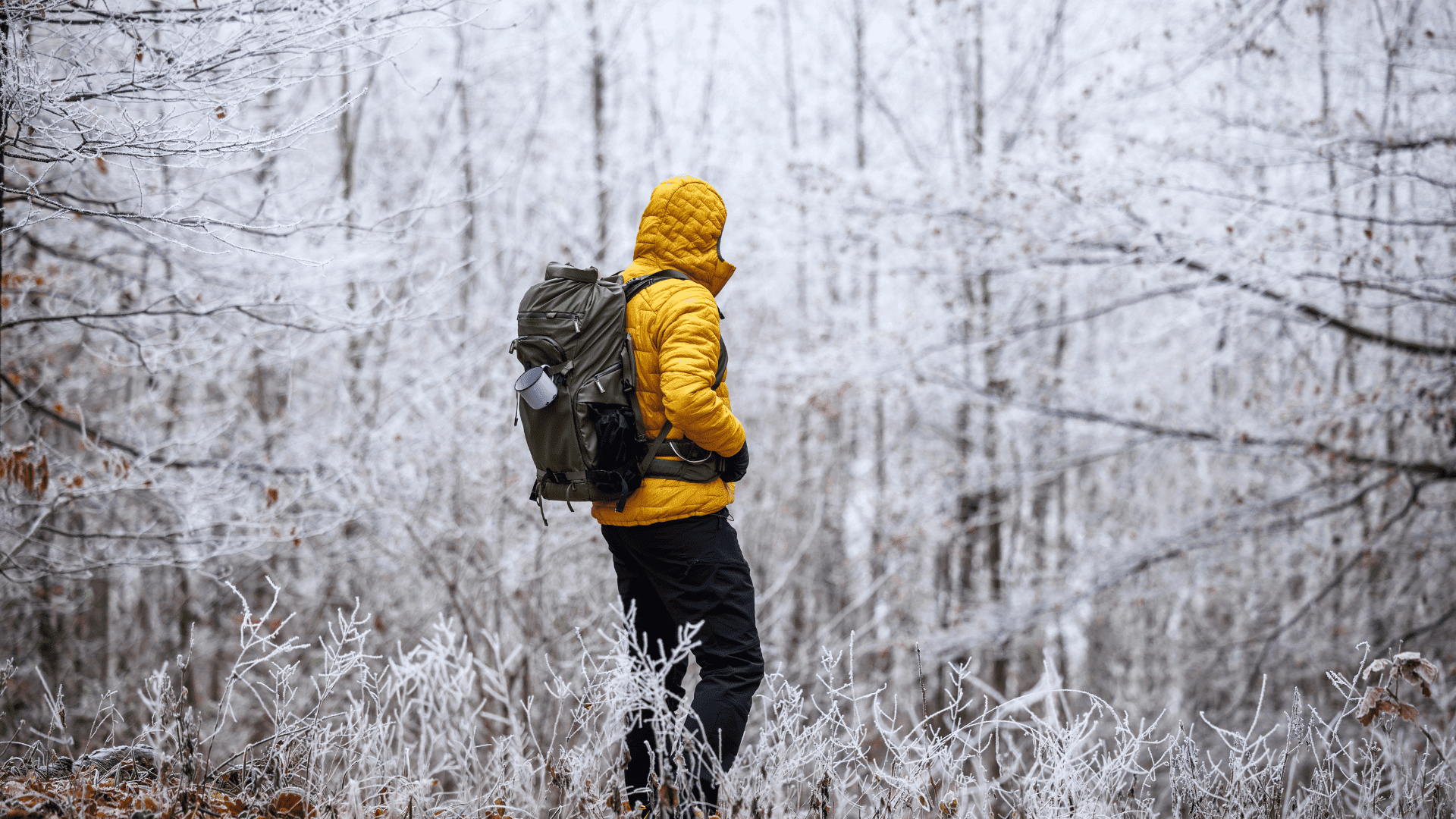
Hydration is extremely important when hiking, so ensure you can drink water easily as you walk with a daypack equipped with some sort of hydration sleeve to store a water reservoir. Some variations come with their own water reservoir, but for those sold separately, ensure it’s the right size to fit on your pack. Experts recommend getting the largest size that will comfortably fit on your backpack, since you could simply fill it less to reduce weight if needed. This way, you can still travel light while still having the option for the extra capacity for hotter days. If you’re doing a long or overnight hike, ensure you also come equipped with some type of water filtration system just in case.
 Read Exclusive Stories
 Bookmark & Save Articles For Later