Nuclear energy relies heavily on uranium, but a company called Clean Core Thorium Energy (CCTE) developed a new type of fuel to reduce reliance on uranium. They’ve developed a thorium-based fuel called ANEEL™. The company and its partner, Canadian Nuclear Laboratories (CNL), hit a major milestone that could help them build full-scale fuel bundles.
Up until now, a lot of this work has been done using computer models and math. However, it was time for scientists to take a more hands-on approach. To prove a new fuel works safely in existing CANDU reactors, the kind of reactors Canada uses, they needed to put it in the heat and pressure of a reactor core.
Building a New Fuel For Nuclear Reactors
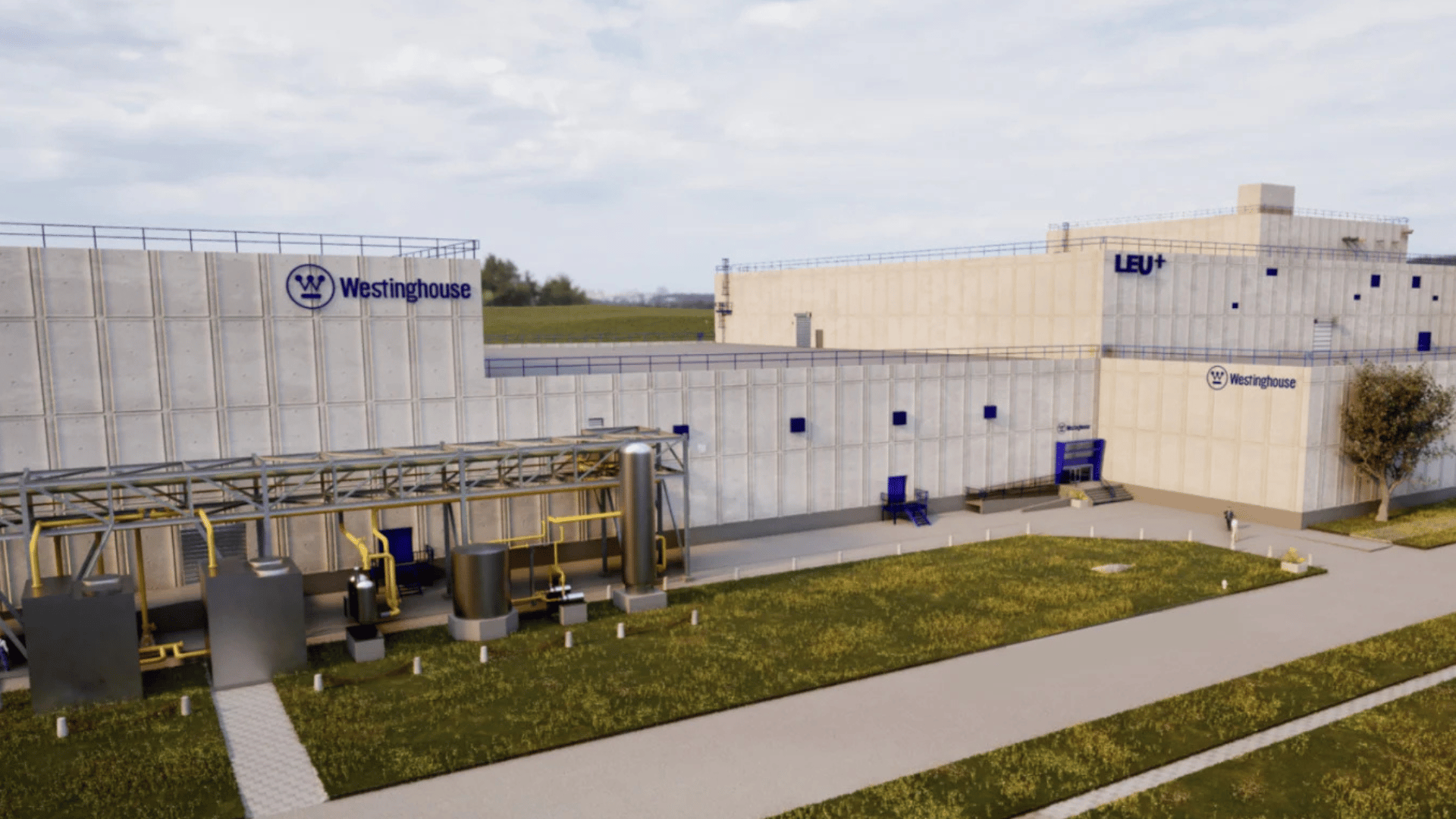
The plan is for CNL to manufacture these bundles at their Chalk River Laboratories. The “prototype” bundles are the exact size and shape of the fuel used in power plants today. By making these, the team can get the hands-on data they need to satisfy regulators and power companies.
Advertisement
“This milestone advances ANEEL™ from validated models to an engineered, fleet-compatible fuel design,” Mehul Shah, the CEO of Clean Core Thorium Energy, said. “The fabrication of reactor-representative bundles with Canadian Nuclear Laboratories, followed by CCTE’s subsequent irradiation, will position us to generate the performance data necessary to support regulatory review and future fleet deployment. It marks a foundational step toward commercial readiness.”
“Plug-and-Play” Fuel
Testing new nuclear fuel is a slow, careful process. This specific project is part of a bigger roadmap that includes testing at the Idaho National Laboratory and reviews with Canadian safety regulators. The goal is to make sure this thorium-based fuel can work in the reactors we already have without needing to rebuild them from scratch.
CNL is bringing the manufacturing muscle to the table. Dr. Monica Regalbuto, the Vice-President of Science & Technology at CNL, noted that the lab has kept its fuel research capabilities sharp for exactly this kind of project.
“CNL has maintained core capabilities in fuel research, development and fabrication enabling us to take on the manufacturing of novel and next generation fuels,” Regalbuto explained. “We are pleased to be working with CCTE and to apply the deep expertise of the labs to this exciting advanced fuel project.”
 Read Exclusive Stories
 Bookmark & Save Articles For Later