The quest for a better battery usually feels like a struggle between power and safety. We want electric vehicles that can go the distance, but we also want to know they won’t catch fire. A research team at the Hong Kong University of Science and Technology (HKUST) might have found a way to give us both.
Led by Professor Yoonseob Kim, the team developed a new material that improves the performance and longevity of lithium-metal batteries. They published their findings in the journal Advanced Science, and it’s all about fixing a microscopic issue.
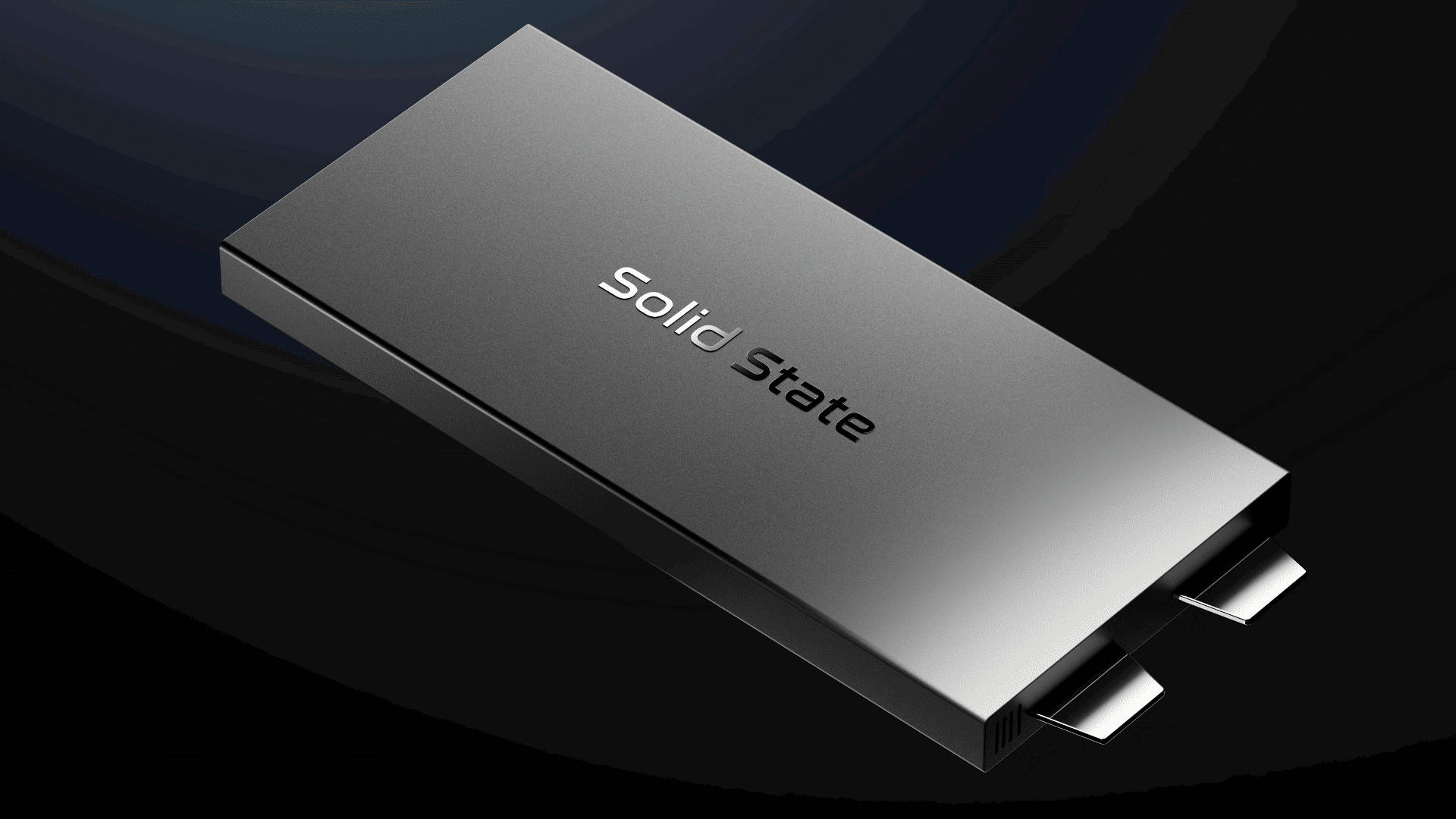
Safer and More Powerful Solid-State Battery
Most battery issues come down to something called dendrites. These are tiny, needle-like structures that grow inside a battery as it charges and discharges. If they grow too long, they can cause short circuits or even fires.
Advertisement
To stop this, scientists have been looking at Covalent Organic Frameworks (COFs), materials with tiny holes that act like a sifter for ions. However, most COFs are “polycrystalline,” or made of many small pieces.
The HKUST team changed the game by creating a “single-crystalline” version. This material is essentially one continuous, orderly structure. Because there are no gaps, lithium can move through the battery much more smoothly and evenly. This keeps those dangerous dendrites from forming in the first place.
A Battery For Future EVs
According to the researchers, test results showed the battery stayed stable for over 2,000 hours of use and kept nearly 92% of its capacity after 600 cycles. For a driver, that means a battery that charges fast, lasts for years, and stays safe.
“Our research highlights the promising viability of single-crystalline 3D B-COFs as quasi-solid-state electrolytes. By eliminating the structural disorders found in polycrystalline materials, we have taken a significant step toward realizing high-performance, safe energy storage solutions that are crucial for a greener future,” said Prof. Yoonseob Kim.
 Read Exclusive Stories
 Bookmark & Save Articles For Later