For many families, grabbing a basket and hunting down a series of colorful eggs is a treasured holiday tradition. But did you know that some of the world’s most unique-looking eggs are produced in nature?
Blue Crab Eggs
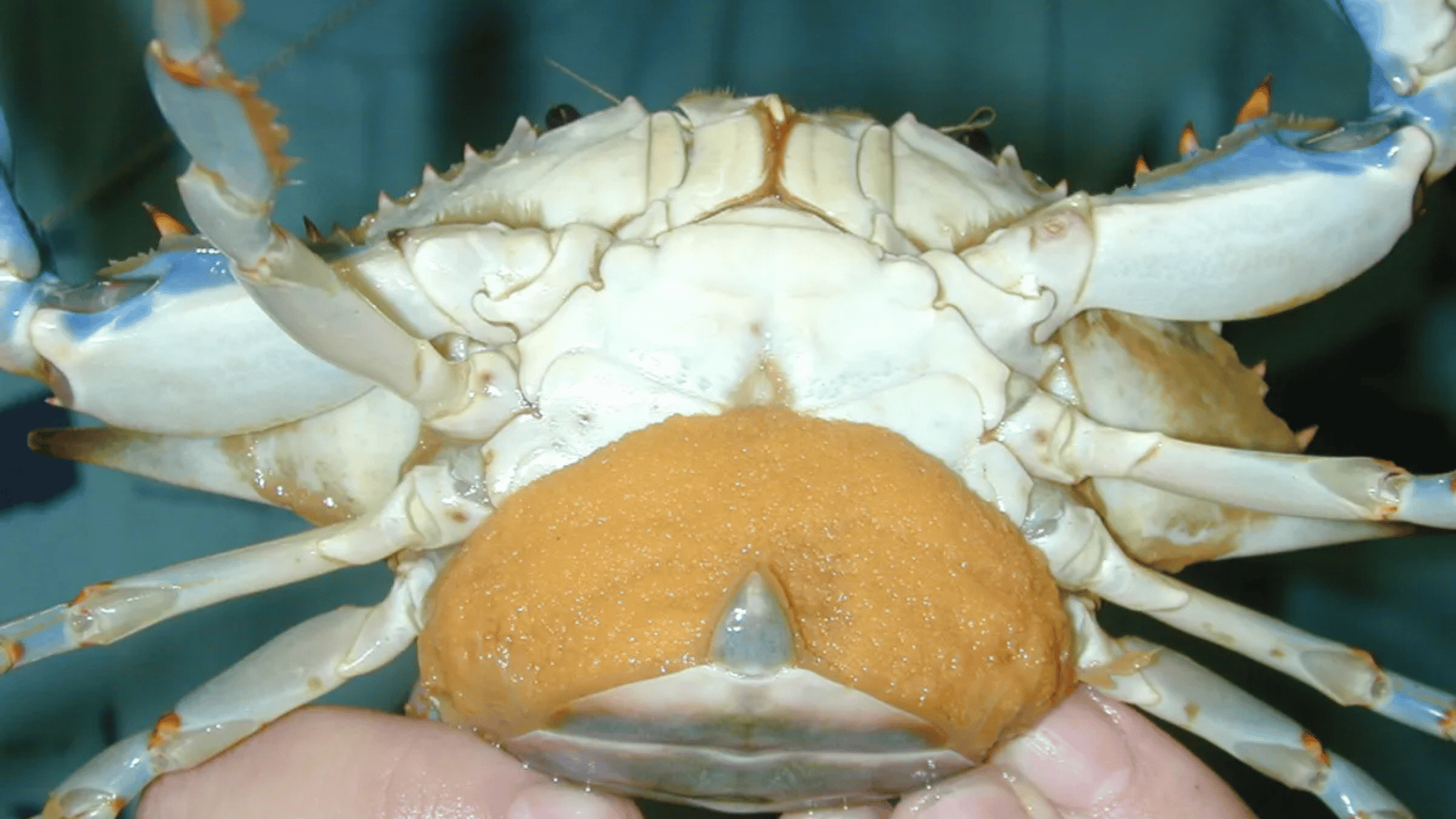
Each blue crab brood involves a range of 3 to 8 million eggs, and females can lay up to eight broods per season. Producing eggs with a unique orange spongy appearance, blue crab females obtain all of the sperm needed to fertilize the eggs throughout their lifetime in one mating episode.
“Our recent PNAS paper shows that the mid-salinity zone has much reduced predation by fish that commonly take small crabs in the high salinity zone. However, the females mate in those mid-salinities when they molt to maturity, and then they have to store sperm while they migrate as adults back to higher salinities where they brood their eggs and hatch their larvae,” the Smithsonian’s Tuck Hines, recently retired director of the Smithsonian Environmental Research Center (SERC), told IFLScience.
Tinamou Bird Eggs
Advertisement
Bird eggs come in a diverse range of shapes, colors, and sizes. They range from the largest egg recorded, the elephant bird at 13 inches long, to the smallest recorded, the vervain hummingbird at 0.39 inches long.
The Smithsonian’s National Museum of Natural History contains an expansive collection of 109,000 individual egg specimens, overseen by museum specialist Christina Gebhard.
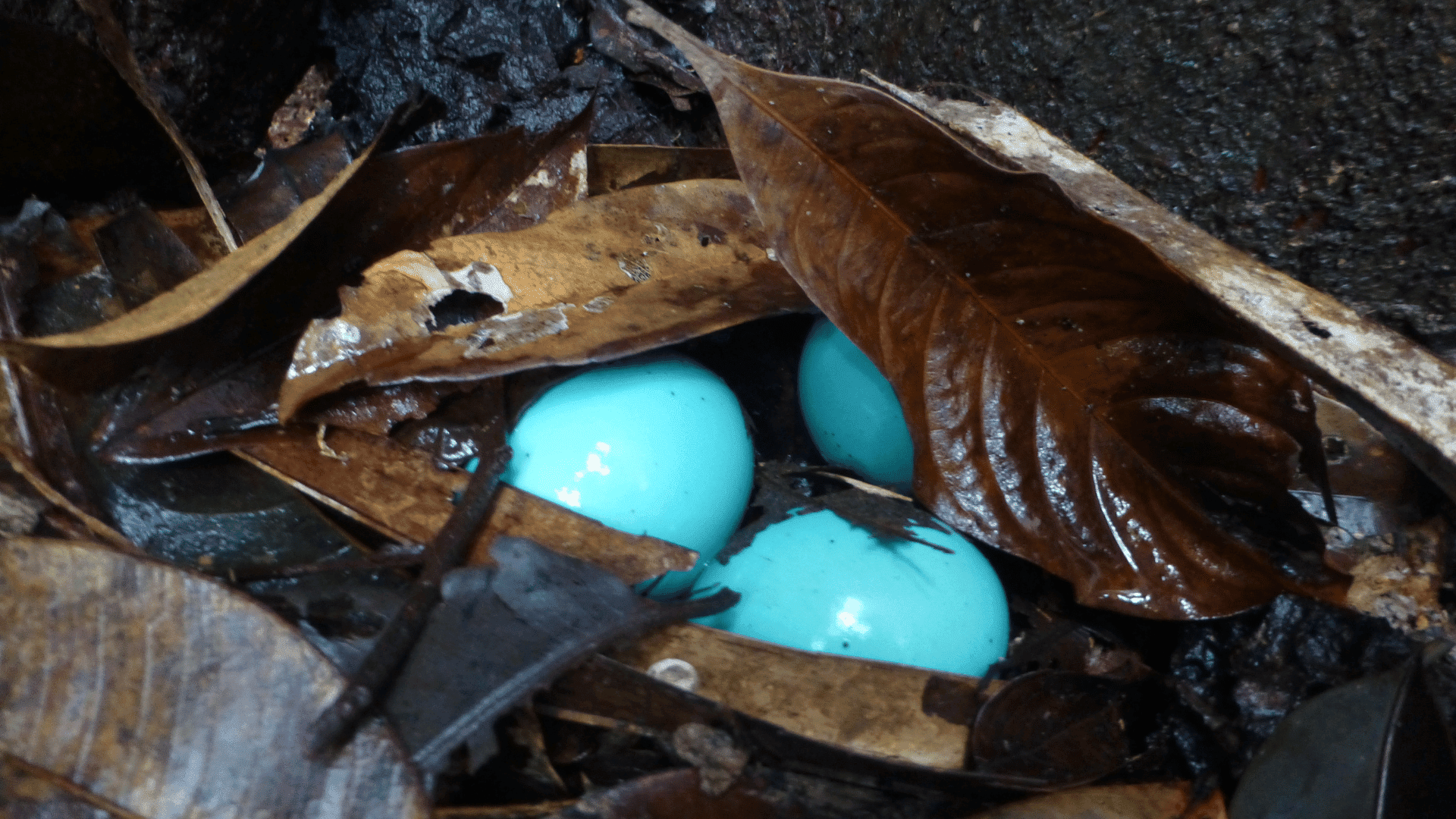
“Tinamou eggs impress me the most,” Gebhard stated. “They are glossy as if they have a ceramic glaze on them. Even more impressive is that scientists researched these egg colors and discovered new pigments not found in any other bird egg.”
These eggs have a porcelain finish and come in a range of vibrant colors, including turquoise, bright green, violet, red, and chocolate brown.
Apple Snail Eggs
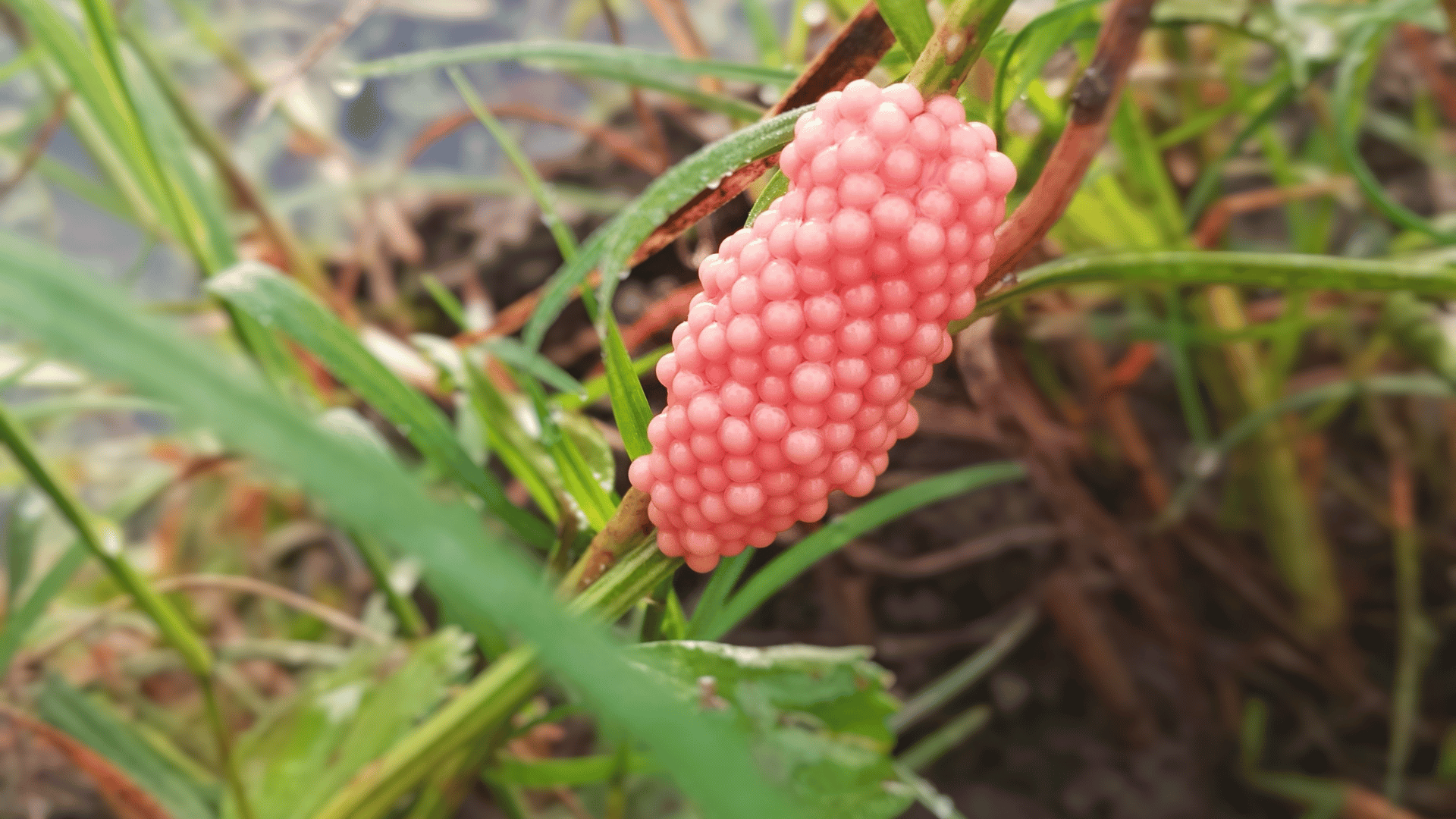
Many invertebrates produce some of nature’s most unique eggs. The assassin bug, for example, produces an egg that resembles blancmange. One of the more distinctive varieties is the apple snail egg, which resembles a berry boba in appearance. Though they look like a delectable candy treat, they actually contain a dangerous parasite, and predators won’t take care of them because they’re full of a neurotoxin called perivitellin-2 or PV2.
 Read Exclusive Stories
 Bookmark & Save Articles For Later