Dys after the U.S. Nuclear Regulatory Commission (NRC) finalized a new set of rules called 10 CFR Part 53, a startup named AMPERA stepped up to the plate. On February 23, 2026, the company officially told the NRC they want to start the licensing process for a new kind of microreactor.
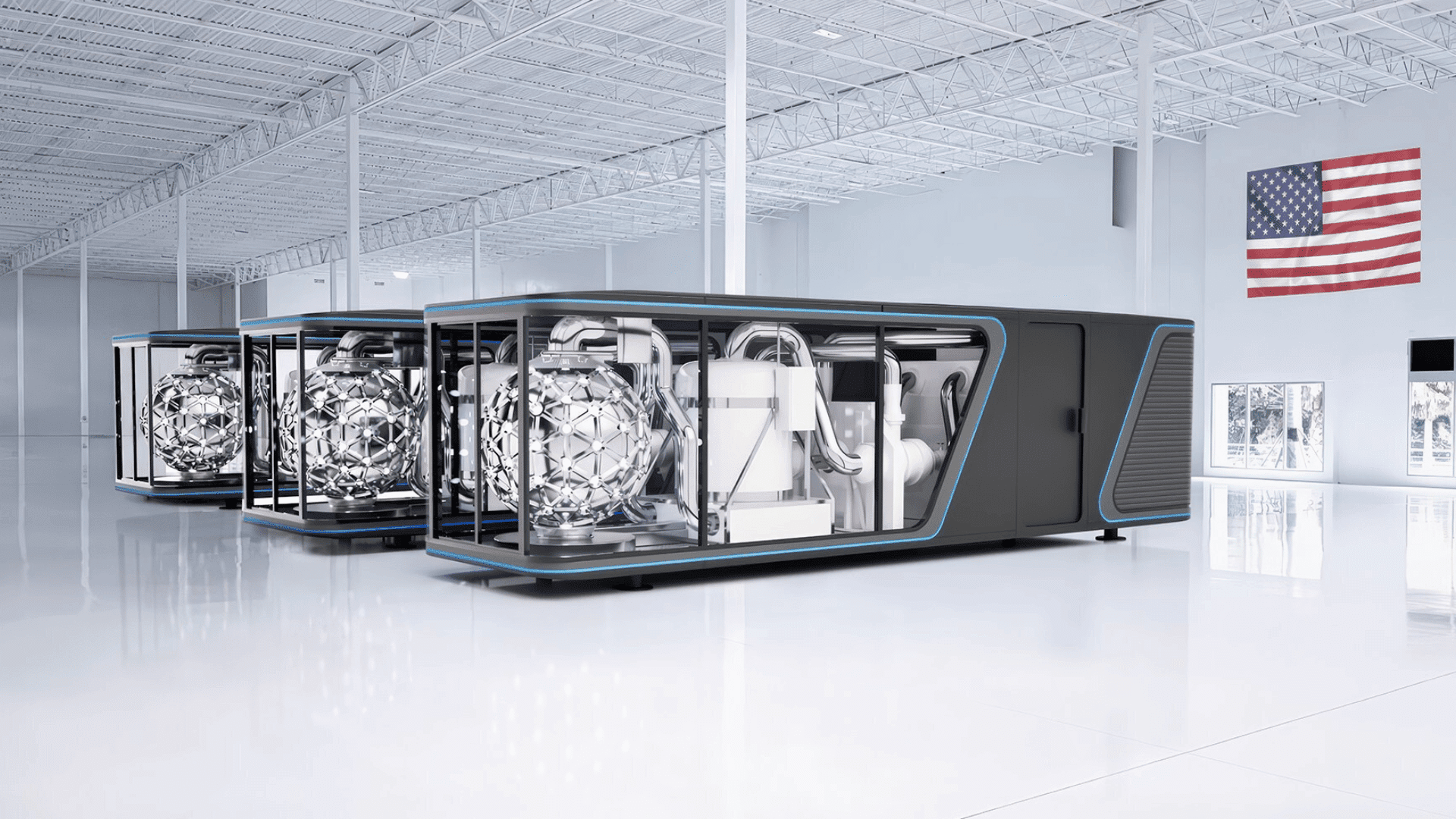
AMPERA is working on small, factory-built reactors that fit inside shipping containers. They use thorium for fuel and are designed to be “subcritical,” which is a technical way of saying they are built with safety as the main priority. Because they are modular, they can be built in a factory and shipped wherever they are needed, like data centers or remote sites.
“With the NRC implementing Part 53, innovative, advanced nuclear concepts like ours can focus on licensing new technology rather than explaining how it is different from traditional nuclear systems,” said AMPERA Founder and CEO Brian Matthews. “We are harnessing the power of AI to create a safeguards-by-design architecture in the development of one of the most energy-dense solutions that creates low-cost power and is rapidly deployable.”
A Shift Toward Next-Gen Reactors
The big shift is how these reactors are regulated. In the past, rules were written specifically for giant light-water reactors. The new Part 53 rules make it easier for companies using different materials, like thorium, to get through the door without jumping through hoops meant for older tech.
AMPERA has already asked for a meeting with the NRC before the end of May to get their schedules aligned. Their plan includes sharing technical safety data and a roadmap for how they’ll engage with the public. The goal is to move nuclear power away from massive, decades-long construction projects and toward something that can be mass-produced.
“The NRC’s new regulatory process is an effective way to ensure the same level of safety while acknowledging the different types of technology that are coming to the market,” said AMPERA’s Licensing Strategist, Dr. April Smith. “AMPERA looks forward to working with the NRC as it goes through the licensing process to bring next-generation nuclear reactors to market that can be commercially produced in a factory setting.”
 Read Exclusive Stories
 Bookmark & Save Articles For Later