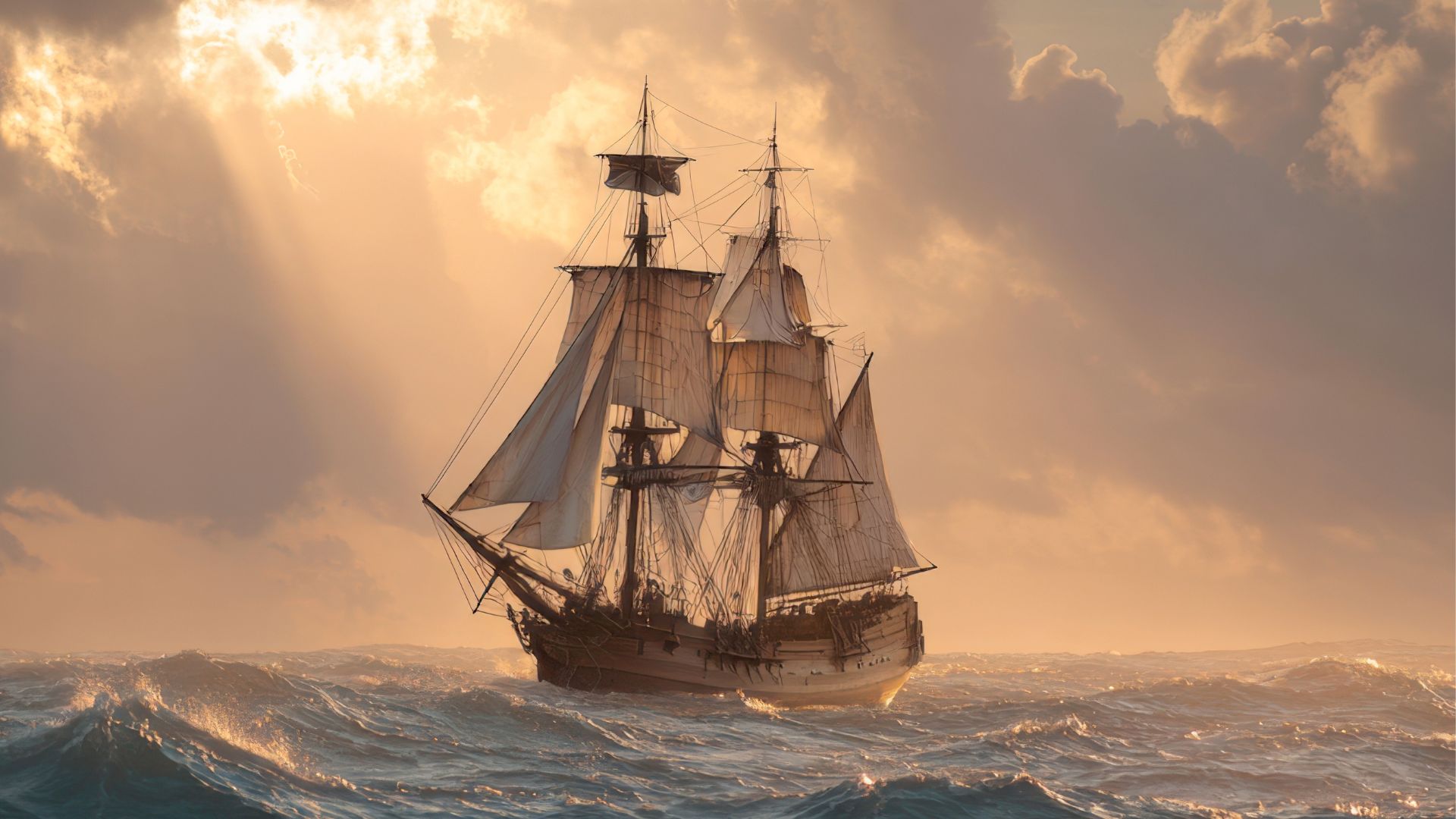
A new study theorizes that a sunken landmass called Doggerland, which connected Britain to mainland Europe until a few thousand years ago, may have been a refuge for plants, animals, and humans during the last ice age.
Sunken Landmass With Ancient Forests
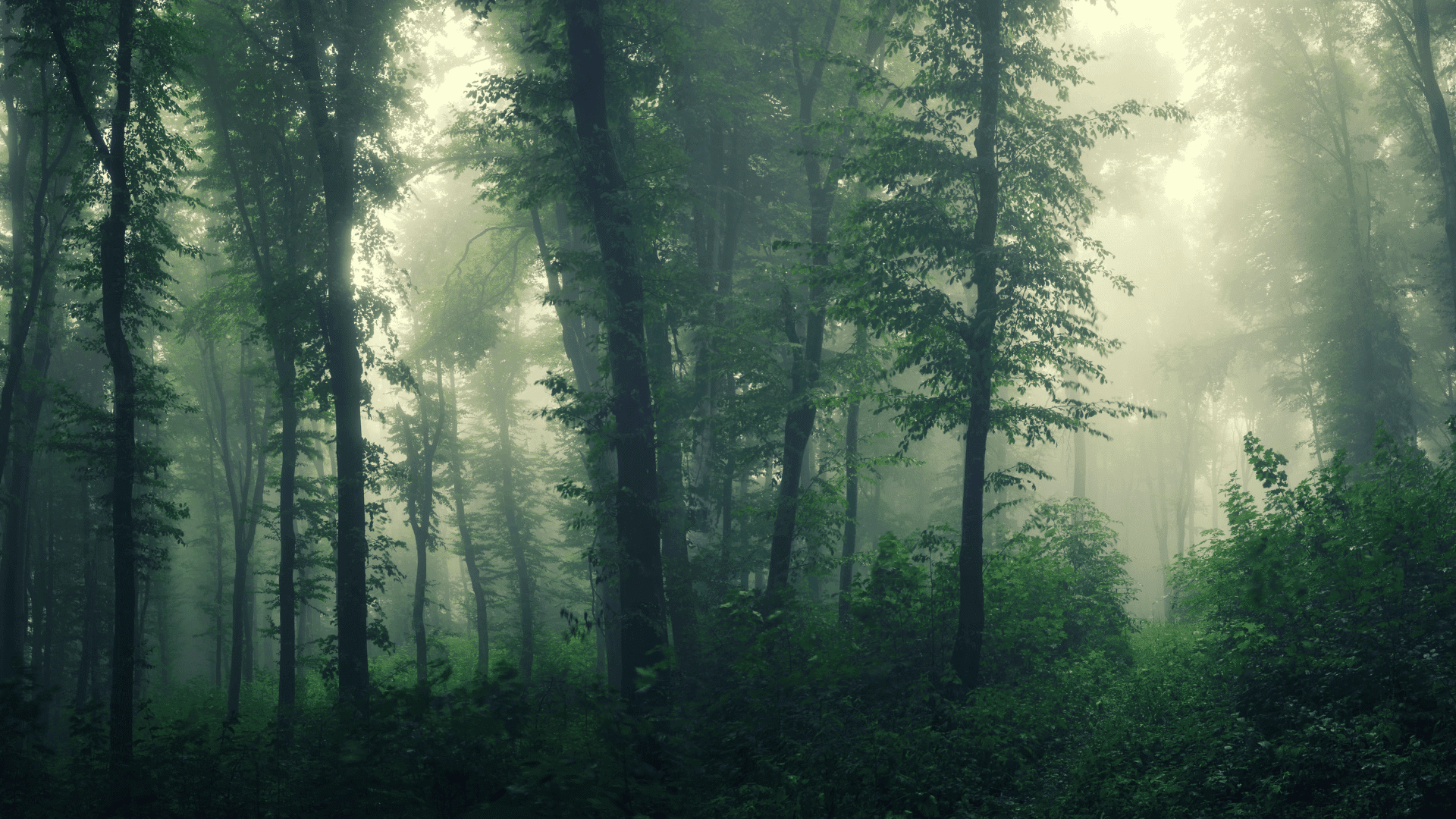
Now submerged beneath the North Sea, parts of Doggerland held temperate forests 16,000 years ago. This is long before similar forests recolonized Britain and northwestern Europe following the retreat of glaciers approximately 11,700 years ago.
According to the new study, oaks, elms, and hazel trees lived in the southern region here for a millennia before the landmass vanished. Though previous estimates suggested that Doggerland was fully inundated by 7,000 years ago, the new research suggests this may have occurred closer to 6,000 years ago.
Advertisement
The long-lost terrestrial ecosystem was reconstructed using ancient sedimentary DNA or DNA preserved in dirt under the sea for thousands of years.
“We got evidence of boars, deer, bears, aurochs,” study lead author Robin Allaby, an evolutionary geneticist and professor of genomics at the University of Warwick in the U.K., told Live Science. “To my knowledge, it’s the largest sedimentary DNA study that’s been done.”
The research team analyzed 252 samples from 41 cores drilled from beneath the North Sea. Prior to this new research, experts believed that Doggerland had been covered with ice 16,000 years ago, not lush forests. This was also a time period when Britain and most of Northwest Europe were covered in a tundra.
When analyzing sediments, researchers separated secure and insecure cores, meaning those that they believe contained DNA from local species and those that had likely been transported to the area from elsewhere. The team identified DNA from a walnut relative that was believed to have gone extinct from the region 400,000 years ago and traces of lime trees, which thrive in warmer climates, suggesting that the region was milder than surrounding areas during this time.
The results are published in the journal PNAS.
 Read Exclusive Stories
 Bookmark & Save Articles For Later