Mohammad Abedin-Nasab and his team at Rowan University have spent a decade working on how to perfectly line up a broken bone. This has been an ongoing challenge for surgeons that needed to be addressed.
When a long bone, like a femur, breaks, getting the pieces back into the right spot is incredibly difficult. If it’s off by even a little, patients can face chronic pain or need more surgeries. To fix this, the team developed Robossis Alpha, a robotic system designed to handle the heavy lifting of orthopedic surgery.
A Surgical Solution
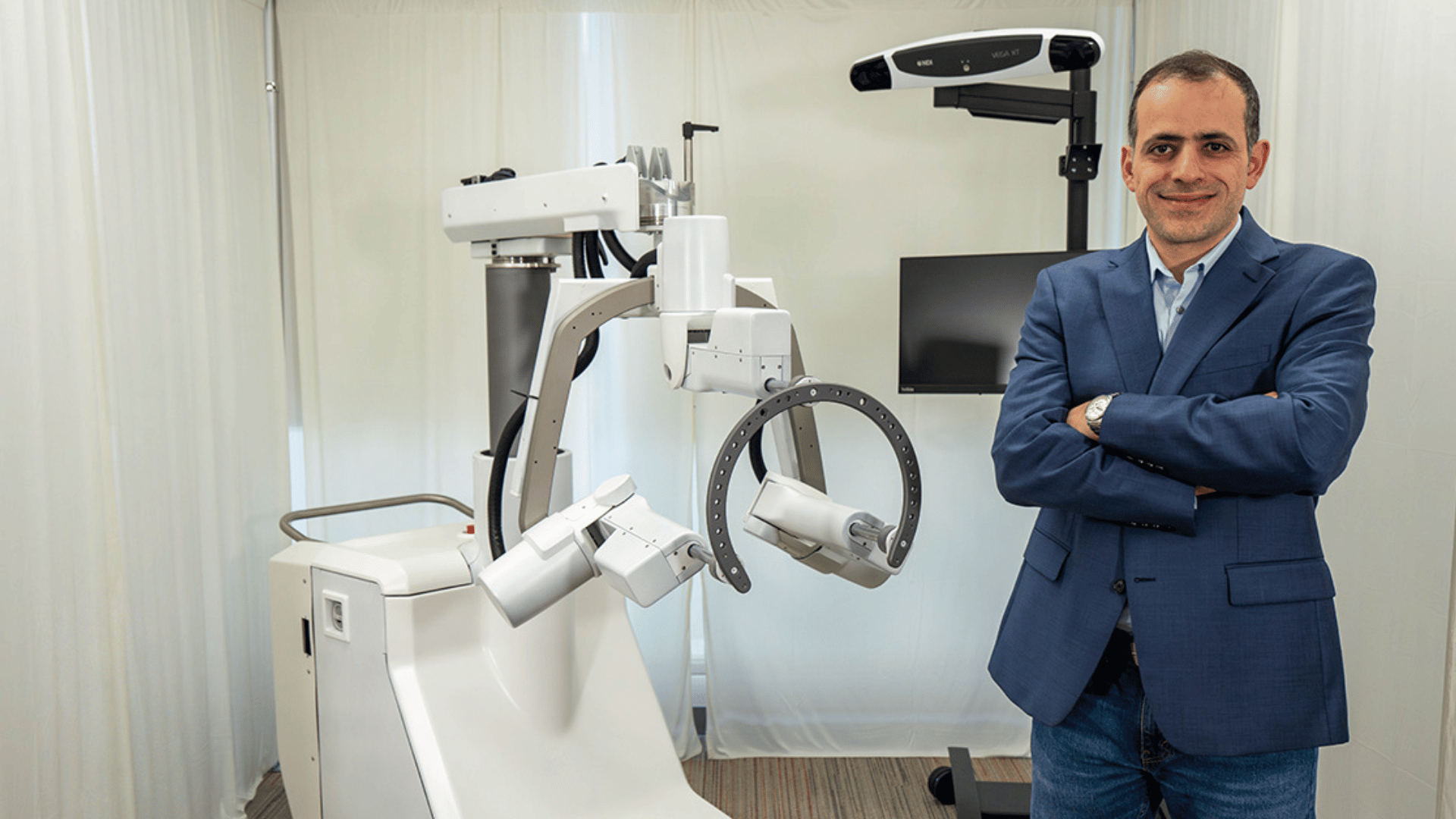
The idea started from a difficult observation rather than in the lab. Abedin-Nasab, who is the CEO of Robossis and a professor at Rowan, decided to act after seeing a particularly tough case.
“The first surgery I observed was a 2-year-old boy with a broken femur,” Abedin-Nasab said. “The patient lost one liter of his blood and there were a lot of complications. After observing that surgery, I said there is a problem and I have to develop something to fix this problem.”
Advertisement
To understand just how big that problem was, the researchers interviewed over 250 people, including trauma surgeons and hospital executives. They found a “huge clinical need” for a tool that could provide more precision and strength than what is currently available.
A Small Robot With Big Power
Most surgical robots aren’t built to move heavy bones, but Robossis Alpha is different. It’s compact, yet it can pull with 10 times the force of current surgical robots. This strength allows surgeons to move large bones into place with submillimeter accuracy.
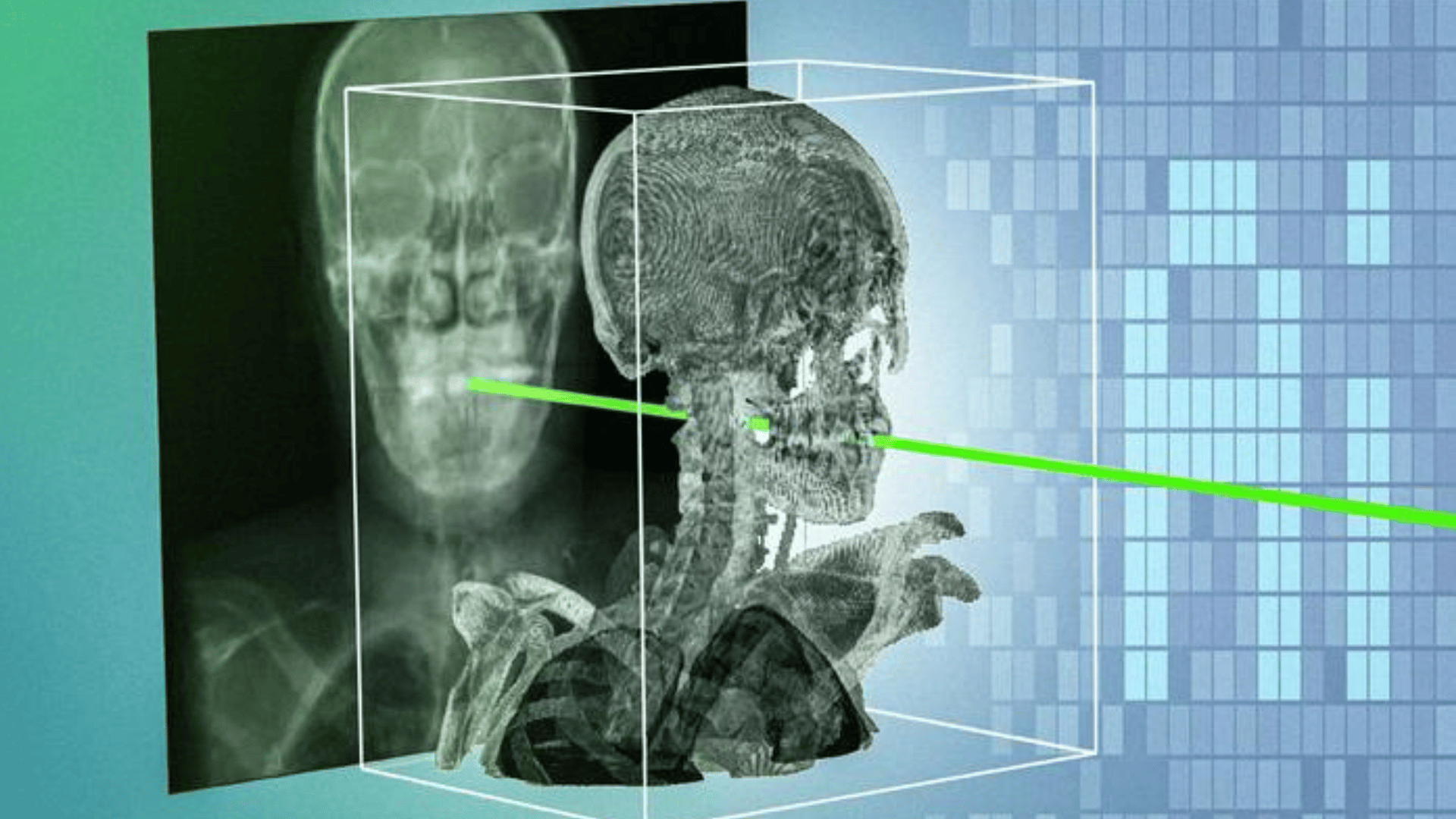
Because the robot uses real-time tracking and AI guidance, it could change how these surgeries feel for both the doctor and the patient. It aims to reduce the need for constant X-rays, which means less radiation exposure and less time under anesthesia. It also helps lower the risk of blood loss.
The project has significant backing already, with support from the National Institutes of Health and the National Science Foundation. While the prototype is still heading toward clinical trials, the team expects to see regulatory approval within the next two to three years.
 Read Exclusive Stories
 Bookmark & Save Articles For Later