Grammarly created a writing tool using generative AI that can simulate criticism or reviews from bestselling authors and famous academics, both dead and alive.
AI “Expert Review” Tool
“When technology works everywhere, it starts to feel ordinary,” Mehrotra wrote in a press release. “And that usually means something extraordinary is happening under the hood.”
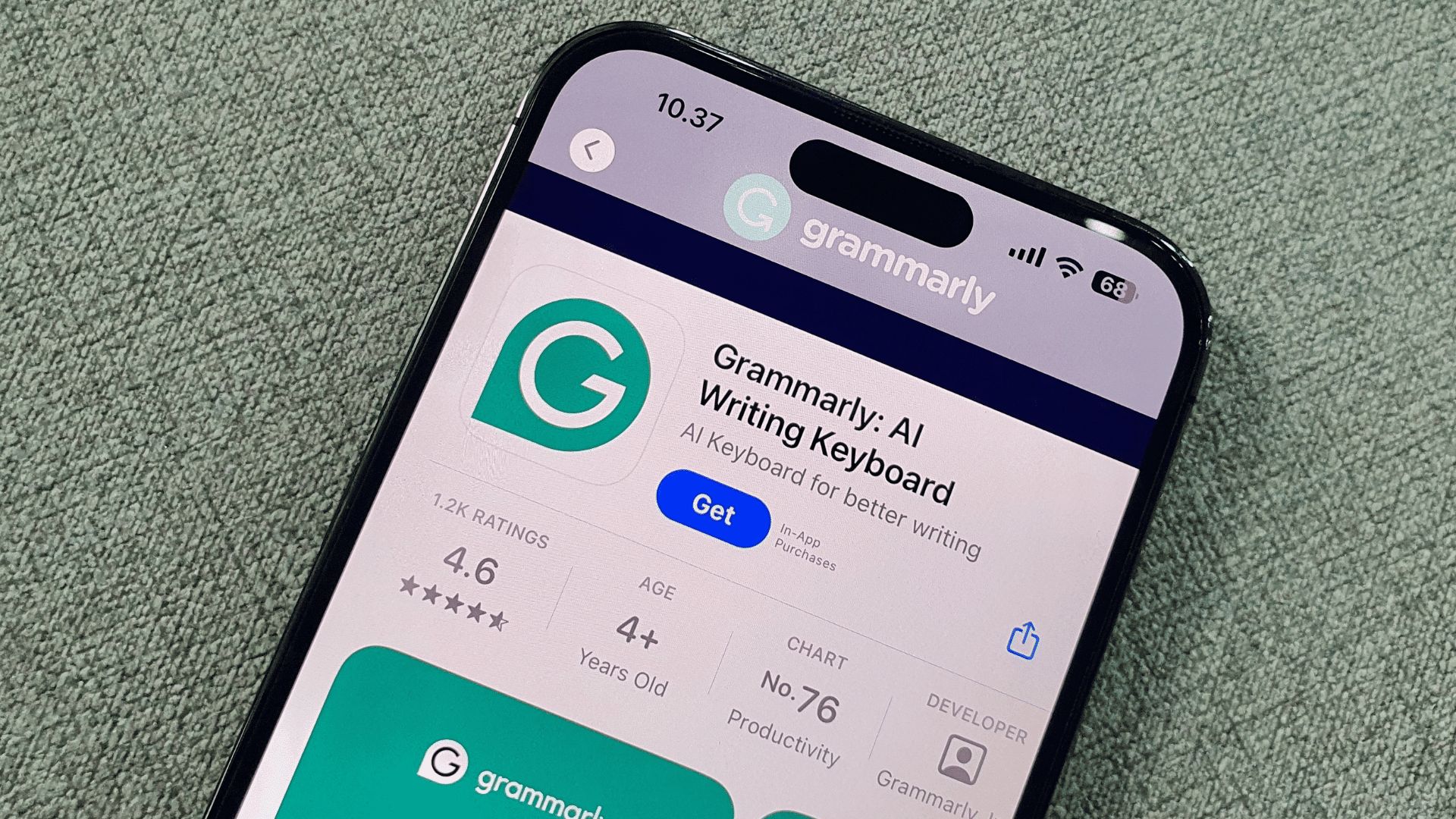
Grammarly has been expanding its AI tools, including an AI chatbot that will answer specific questions as you write a draft, a “paraphraser” feature that suggests stylistic changes, a “humanizer” that revises based on a specific voice, an AI grader that predicts how a piece will score on college coursework, and tools flagging phrases commonly used by large language models.
Advertisement
The latest is Grammarly’s “expert review” tool, which allows you to have your work reviewed by virtual versions of a list of real academics and authors, rather than a nameless LLM. A few of the names include Stephen King, Neil deGrasse Tyson, William Zinsser, Carl Sagan, and more.
“Our Expert Review agent examines the writing a user is working on, whether it’s a marketing brief or a student project on biodiversity, and leverages our underlying LLM to surface expert content that can help the document’s author shape their work,” says Jen Dakin, senior communications manager at Superhuman.
“The suggested experts depend on the substance of the writing being evaluated. The Expert Review agent doesn’t claim endorsement or direct participation from those experts; it provides suggestions inspired by works of experts and points users toward influential voices whose scholarship they can then explore more deeply.”
An independent review of the tool by WIRED provided recommendations for feedback from the Abulafia bot, as well as from models based on the living cognitive scientists Steven Pinker and Gary Marcus.
“As the software processed the sample text, it noted that it was taking “inspiration” from Elements of Style author William Strunk Jr. and the sociologist Pierre Bourdieu while applying “ideas” from Gone With the Wind author Margaret Mitchell and using “concepts” from writer and professor Virginia Tufte—all of whom are dead, with Tufte dying most recently, in March 2020.” according to WIRED.
 Read Exclusive Stories
 Bookmark & Save Articles For Later